The valve seat inserts market is likely to expand from USD 6.6 billion in 2025 to USD 9.8 billion by 2035. A CAGR of 3.9% is forecasted during this period. This expansion is driven by rising global automotive production, particularly in emerging markets, and increasingly stringent emission and fuel-efficiency regulations. The implementation of Euro 7 standards in Europe and the USA EPA Tier 3 norms has accelerated demand for high-precision inserts that enhance combustion efficiency and reduce pollutant output.
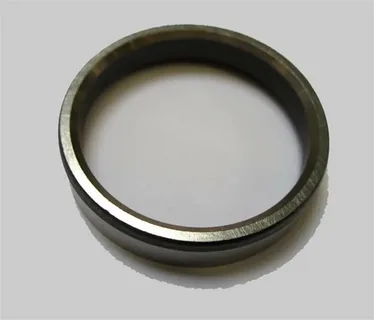
The valve seat inserts market is gaining traction as internal combustion engine technologies continue to demand components that ensure high reliability, thermal resistance, and extended service life. Valve seat inserts, fitted into the cylinder head of an engine, provide a hard-wearing surface for the valve to seal against during combustion. These inserts play a critical role in maintaining compression, managing heat, and preventing wear under extreme operating conditions. As the automotive, marine, aerospace, and industrial machinery sectors evolve, the demand for robust and high-performance valve seat inserts is steadily rising.
Ensuring Reliable Valve Operation and Engine Integrity
Valve seat inserts serve as essential components in the engine’s valvetrain, ensuring a secure seal between the valve and the combustion chamber. This seal is vital for maintaining optimal compression ratios and preventing leakage of gases. In high-temperature and high-pressure environments, the insert must resist wear, deformation, and corrosion, thereby protecting the cylinder head and extending engine longevity. Effective sealing also contributes to improved combustion efficiency and reduced emissions, aligning with evolving performance and environmental standards.
Get Ahead with Our Report: Request Your Sample Now!
https://www.futuremarketinsights.com/reports/sample/rep-gb-7258
Broad Utilization Across Engine-Driven Industries
These components are widely used across a variety of engines, including those in passenger cars, heavy commercial vehicles, motorcycles, agricultural machinery, marine engines, and aircraft. In gasoline and diesel engines, valve seat inserts support both intake and exhaust valve functionality. The inserts are especially important in heavy-duty applications where engines operate continuously under severe conditions. As industries pursue more powerful, fuel-efficient engines, the role of valve seat inserts in maintaining performance becomes even more critical.
Material Innovation for Enhanced Heat and Wear Resistance
Modern valve seat inserts are manufactured using advanced materials such as powder metallurgy alloys, high-speed steels, and cobalt- or nickel-based superalloys. These materials are selected for their ability to withstand high thermal loads, resist oxidation, and endure mechanical stress. The use of hardened surfaces, composite structures, and specially engineered microstructures allows these inserts to maintain tight tolerances and mechanical integrity over prolonged usage. These material advancements also enable compatibility with alternative fuels and higher combustion temperatures.
Compatibility with Turbocharged and High-Performance Engines
As turbocharged and high-performance engines become more common, valve seat inserts are being optimized for enhanced thermal cycling and increased impact resistance. The higher combustion pressures in such engines place greater stress on valvetrain components. Improved metallurgy and precision manufacturing allow modern inserts to meet these demands while reducing weight and maintaining long-term reliability. Performance vehicle manufacturers and motorsport applications particularly value these inserts for their ability to endure rigorous driving conditions.
Adapting to Alternative Fuels and Emission Standards
The global shift toward cleaner fuels, including compressed natural gas (CNG), hydrogen, and ethanol blends, presents new challenges for valve seat insert performance. Alternative fuels often burn at higher temperatures or have different combustion characteristics, increasing the need for inserts with superior resistance to thermal and chemical degradation. Valve seat insert designs are being adapted to ensure consistent performance, support emission reduction efforts, and maintain durability in engines using a broader range of fuel types.
Precision Engineering and Advanced Manufacturing Processes
Valve seat inserts require high-precision engineering to achieve tight sealing and optimal heat transfer properties. Manufacturers employ advanced manufacturing techniques such as sintering, hot forging, and CNC machining to produce inserts with uniform properties and fine surface finishes. Quality control is a priority, with rigorous testing protocols for dimensional accuracy, hardness, thermal conductivity, and microstructural consistency. These processes ensure reliable integration into modern engine architectures and support long-term operational stability.
Aftermarket Growth Driven by Engine Rebuilds and Repairs
In the aftermarket, valve seat inserts are in demand for engine refurbishments, rebuilds, and performance upgrades. Older engines, particularly those exposed to fuel additives or suboptimal maintenance, may suffer from seat erosion or valve recession. Replacing or upgrading the inserts restores sealing performance and prolongs engine life. Performance enthusiasts and commercial fleet operators alike seek high-quality replacement inserts to enhance reliability and reduce maintenance intervals.
Integration with Engine Cooling and Thermal Management Systems
The role of valve seat inserts in thermal regulation is becoming increasingly important. Efficient heat dissipation from the valve to the cylinder head reduces the risk of valve overheating and ensures consistent combustion. Modern insert designs are being developed to integrate more effectively with the engine’s overall thermal management systems, promoting balanced heat flow and preventing hotspots that could compromise valve operation or reduce component lifespan.
Tailored Solutions for OEM and Tier 1 Manufacturers
OEMs and Tier 1 suppliers work closely with insert manufacturers to develop application-specific solutions that meet their engine design goals. Custom geometries, specialized coatings, and precise material selection ensure compatibility with modern engine layouts and manufacturing processes. This collaboration helps achieve optimal performance, simplifies assembly, and supports emissions compliance. Insert manufacturers are also expanding their product portfolios to support both new engine production and global aftermarket needs.
Drive Your Business Growth Strategy: Checkout the Report for Key Insights!
https://www.futuremarketinsights.com/checkout/7258
Future Outlook
The valve seat inserts market is poised for continued advancement, driven by technological progress in engine design, emissions regulation, and fuel diversity. As engines become more compact, powerful, and efficient, valve seat inserts will remain a key component in ensuring performance reliability and operational durability. With ongoing innovation in materials science, manufacturing precision, and system integration, these inserts will continue to play a vital role in powering vehicles and machinery across industries—supporting the next generation of engine excellence.
About Future Market Insights (FMI)
Future Market Insights, Inc. (ESOMAR certified, recipient of the Stevie Award, and a member of the Greater New York Chamber of Commerce) offers profound insights into the driving factors that are boosting demand in the market. FMI stands as the leading global provider of market intelligence, advisory services, consulting, and events for the Packaging, Food and Beverage, Consumer Technology, Healthcare, Industrial, and Chemicals markets. With a vast team of 400 analysts worldwide, FMI provides global, regional, and local expertise on diverse domains and industry trends across more than 110 countries.
Contact Us:
Future Market Insights Inc.
Christiana Corporate, 200 Continental Drive,
Suite 401, Newark, Delaware – 19713, USA
T: +1-845-579-5705
For Sales Enquiries: sales@futuremarketinsights.com
Website: https://www.futuremarketinsights.com
LinkedIn| Twitter| Blogs | YouTube