The global Upper Limb Prosthetics Market is projected for substantial growth, with sales estimated at USD 398 million in 2023, set to reach USD 624.9 million by 2033. This expansion reflects a Compound Annual Growth Rate (CAGR) of 4.1% over the forecast period, driven by an increasing number of limb amputation procedures, a rising incidence of road accidents and sports injuries, and a growing geriatric population.
Market Dynamics: Addressing Amputation and Injury Burden
The market for upper limb prosthetics is experiencing robust growth due to several critical factors. Road accidents, a leading cause of bone fractures and subsequent amputations, contribute significantly to market demand. Similarly, the high prevalence of sports injuries, such as tennis elbow, can necessitate surgical intervention and prosthetic solutions. The increasing global burden of bone cancers, like osteosarcoma, also boosts the demand for advanced prosthetics. Additionally, a surging geriatric population, more prone to orthopedic illnesses and bone deterioration, further fuels the need for upper limb prosthetic devices.
Click Here for More Information:- https://www.futuremarketinsights.com/reports/upper-limb-prosthetics-market
Technological Advancements and Patient-Centric Design
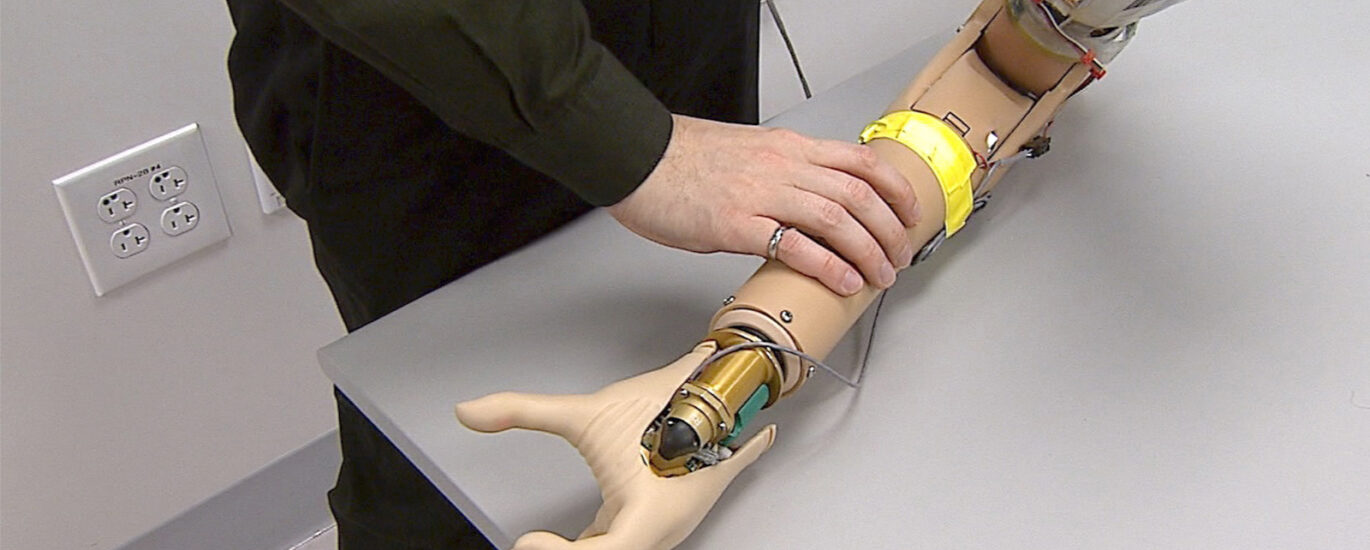
The market is witnessing continuous innovation in prosthetic design and functionality. The evolution of prosthetic types includes passive, body-powered, externally powered myoelectric, hybrid, and activity-specific devices. Hybrid prosthetics, which integrate both body-powered and myoelectric components, are gaining traction for their enhanced functional abilities. Biomedical engineers are actively developing prosthetic arms that can move in tandem with users’ thoughts and sense touch via implanted electrodes, aiming for seamless integration with the user’s nervous system. Recent innovations, such as Össur’s Rebound Post-Op Elbow Brace and The Cleveland Clinic’s bionic arm allowing thought-controlled function, highlight the industry’s commitment to improving amputees’ quality of life.
Challenges: High Costs and Reimbursement Hurdles
Despite the promising growth, the upper limb prosthetics market faces significant challenges. The high cost associated with manufacturing and installing custom-made prosthetic devices, coupled with ongoing maintenance expenses, can be a major barrier. The lack of comprehensive reimbursement policies across many regions further inhibits market growth, making these essential devices less accessible to a broader patient base.
Key Segments and Opportunities
Body-powered prosthetic devices are expected to account for approximately 30.9% of the market share, while passive and hybrid prosthetic devices combined are set to capture 31.1% in 2023. Hospitals remain a key end-user segment. The growing emphasis on physical fitness and leisure sports among amputees is increasing demand for activity-specific prosthetics, creating new market opportunities. Furthermore, increased research and development initiatives by market players, including investments in advanced myoelectric solutions, are expected to drive lucrative growth.
Regional Insights: North America Leads, India Shows Strong Potential
North America, followed by Europe, is likely to lead the global market throughout the forecast period. This dominance is attributed to a high incidence of accidents and injuries, increased patient awareness regarding prosthetic surgeries, advanced healthcare facilities, and the presence of prominent market players. The United States, with a projected CAGR of 4.9% (2025-2035), leads North America due to rapidly advancing technologies and high acceptance of sophisticated prosthetics. Germany (5.5% CAGR) and the UK (4.0% CAGR) are key European markets.
India is poised to be a highly profitable market, with a surging number of diabetic patients driving the need for prosthetic devices, including upper limb prosthetics. The country’s growing diabetic population, estimated to reach 124.8 million by 2045, significantly fuels this demand, despite a declining rate of lower limb amputations.
Competitive Landscape and Strategic Initiatives
The upper limb prosthetics market is highly competitive, with major manufacturers offering a wide selection of devices. Key players like Ottobock SE & Co. KGaA and Fillauer LLC are focusing on improving product value propositions, patient-centric offerings, and advanced features. Companies are actively engaged in strategic acquisitions and collaborations aimed at introducing new products and expanding their global footprints. Strategic investments in R&D, such as Ossur’s investment in Touch Bionics for advanced myoelectric solutions, underscore the industry’s commitment to innovation and meeting evolving patient needs.
Get Sample Report: – https://www.futuremarketinsights.com/reports/sample/rep-gb-8991
About Future Market Insights (FMI)
Future Market Insights, Inc. (ESOMAR certified, recipient of the Stevie Award, and a member of the Greater New York Chamber of Commerce) offers profound insights into the driving factors that are boosting demand in the market. FMI stands as the leading global provider of market intelligence, advisory services, consulting, and events for the Packaging, Food and Beverage, Consumer Technology, Healthcare, Industrial, and Chemicals markets. With a vast team of over 400 analysts worldwide, FMI provides global, regional, and local expertise on diverse domains and industry trends across more than 110 countries.
Contact Us:
Future Market Insights Inc.
Christiana Corporate, 200 Continental Drive,
Suite 401, Newark, Delaware – 19713, USA
T: +1-347-918-3531
For Sales Enquiries: sales@futuremarketinsights.com
Website: https://www.futuremarketinsights.com
LinkedIn| Twitter| Blogs | YouTube