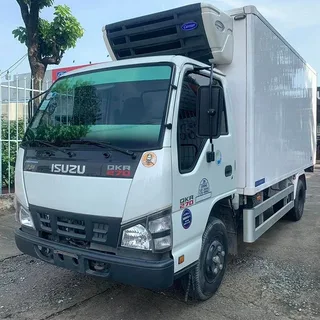
In 2025, the transportation condensing unit’s market size is estimated at approximately USD 3,128.3 million. By 2035, it is projected to reach USD 5,343.6 million, growing at a compound annual growth rate (CAGR) of 5.5%.
The transportation condensing units market is witnessing robust growth, propelled by increasing demand for temperature-controlled logistics and the global expansion of the cold chain. These units are vital components of refrigerated transportation systems, enabling precise thermal regulation of perishable goods such as food, pharmaceuticals, and chemicals during transit. Designed for integration with trailers, trucks, and containers, transportation condensing units are central to maintaining product integrity, regulatory compliance, and operational efficiency across supply chains.
Ensuring Temperature Precision and Product Safety
At the core of cold chain logistics, transportation condensing units are engineered to maintain consistent temperatures in varying climates and transportation conditions. These systems use advanced refrigeration cycles and control mechanisms to prevent thermal degradation of sensitive cargo. By ensuring accurate temperature ranges and quick recovery after door openings, they help safeguard goods from spoilage, contamination, or regulatory violations during extended journeys.
Get Ahead with Our Report: Request Your Sample Now!
https://www.futuremarketinsights.com/reports/sample/rep-gb-9412
Expanding Role in Perishable Goods Distribution
The increasing globalization of food and pharmaceutical supply chains is expanding the scope of refrigerated transport, and with it, the need for efficient condensing units. These systems play a crucial role in the distribution of fresh produce, dairy, meat, vaccines, and biologics, supporting both long-haul and last-mile logistics. Their integration into reefer trucks, trailers, and intermodal containers ensures uninterrupted cold storage across diverse transportation modes and regional networks.
Integration of Electric and Hybrid Technologies
With growing emphasis on sustainability and emissions reduction, the transportation condensing units market is seeing a shift toward electric and hybrid models. These next-generation units are designed to reduce reliance on diesel engines, offering quieter operation, lower fuel consumption, and reduced greenhouse gas emissions. Battery-powered or solar-assisted systems are gaining traction, especially in urban delivery and green logistics applications, where regulatory and environmental concerns are top priorities.
Advancements in Smart Controls and Remote Monitoring
Modern condensing units are increasingly equipped with intelligent control systems that allow real-time monitoring and data analytics. These systems enable fleet operators to track temperature trends, diagnose faults, and optimize performance remotely through telematics and cloud platforms. Alerts for temperature deviations, system malfunctions, or maintenance needs enhance responsiveness and reduce the risk of cargo loss. The integration of predictive maintenance tools further improves fleet reliability and uptime.
Customizable Configurations for Diverse Fleet Needs
Manufacturers are offering transportation condensing units in various configurations to accommodate different vehicle types, cargo volumes, and application requirements. From compact rooftop units for light-duty vehicles to high-capacity units for large trailers, these systems are tailored for flexibility. Optional features such as multi-zone cooling, defrost cycles, and backup power support enable operators to meet diverse payload demands while maintaining energy efficiency.
Compliance with Food Safety and Pharmaceutical Standards
Adherence to international food safety and pharmaceutical transportation regulations is a key driver of innovation in this market. Condensing units are designed to comply with standards such as HACCP, GDP, and ISO certifications, ensuring that temperature-sensitive goods are handled according to industry best practices. Features like data logging, tamper-proof seals, and temperature validation tools support audits and regulatory inspections, reinforcing supply chain transparency and accountability.
Optimizing Performance in Harsh Environments
Transportation condensing units must perform reliably under a wide range of environmental conditions, from extreme heat to freezing cold. Advanced insulation materials, corrosion-resistant components, and adaptive control algorithms enable these systems to maintain performance in rugged terrain and fluctuating weather. This resilience is particularly important for long-distance or cross-border transportation routes where climate variations pose significant challenges.
Growth in E-Commerce and Urban Logistics
The rise of e-commerce and the growing demand for fast, fresh deliveries are reshaping logistics strategies, particularly in urban areas. Transportation condensing units are being deployed in last-mile delivery vans and micro-distribution hubs to maintain cold chain integrity for grocery deliveries, meal kits, and health products. Compact, low-noise units suited for dense urban environments are gaining popularity as consumers expect high-quality perishable goods with shorter delivery windows.
Emphasis on Efficiency and Fuel Optimization
Reducing operational costs remains a priority for fleet operators, driving demand for energy-efficient condensing units. New models are incorporating variable-speed compressors, aerodynamic designs, and advanced thermal insulation to minimize fuel usage while maintaining cooling performance. These improvements help lower total cost of ownership and align with sustainability goals, making them attractive to both large logistics firms and small fleet operators.
Elevate Your Business Strategy! Checkout the Report for Market-Driven Insights!
https://www.futuremarketinsights.com/checkout/9412
Future Outlook
The transportation condensing units market is poised for sustained evolution as logistics demands grow more complex and sustainability becomes a central priority. Emerging innovations such as all-electric reefers, AI-powered diagnostics, and blockchain-enabled traceability will continue to shape the competitive landscape. As industries place increasing value on cold chain resilience, product safety, and environmentally responsible transport, transportation condensing units will remain essential enablers of reliable and efficient temperature-controlled logistics.
About Future Market Insights (FMI)
Future Market Insights, Inc. (ESOMAR certified, recipient of the Stevie Award, and a member of the Greater New York Chamber of Commerce) offers profound insights into the driving factors that are boosting demand in the market. FMI stands as the leading global provider of market intelligence, advisory services, consulting, and events for the Packaging, Food and Beverage, Consumer Technology, Healthcare, Industrial, and Chemicals markets. With a vast team of 400 analysts worldwide, FMI provides global, regional, and local expertise on diverse domains and industry trends across more than 110 countries.
Contact Us:
Future Market Insights Inc.
Christiana Corporate, 200 Continental Drive,
Suite 401, Newark, Delaware – 19713, USA
T: +1-845-579-5705
For Sales Enquiries: sales@futuremarketinsights.com
Website: https://www.futuremarketinsights.com
LinkedIn| Twitter| Blogs | YouTube