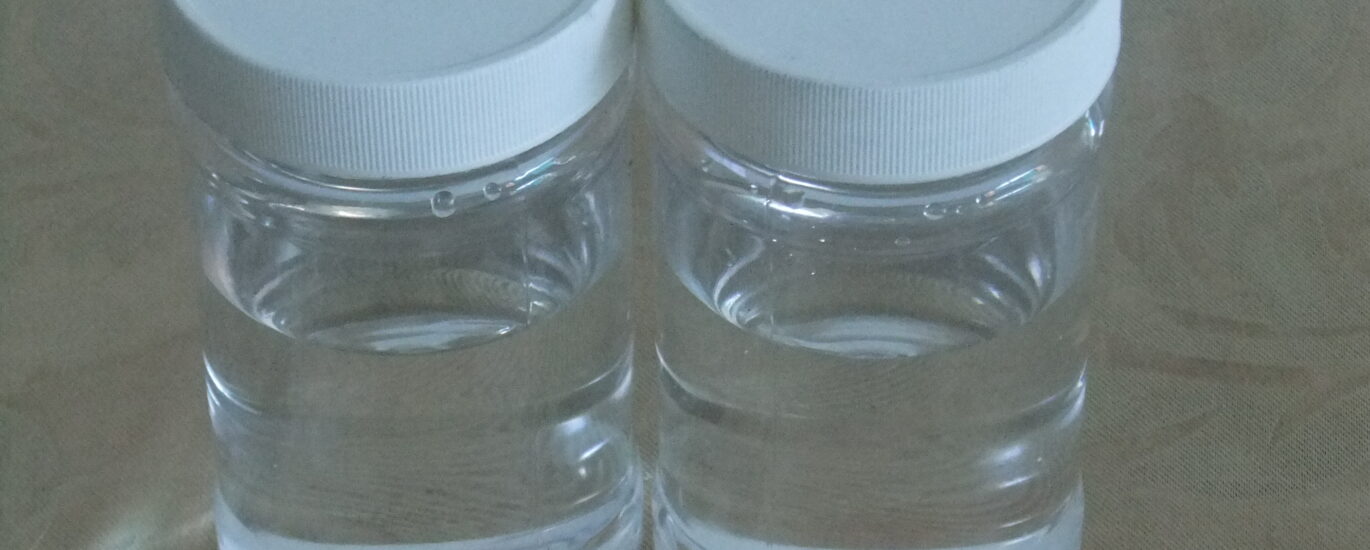
As the global push for electrification intensifies, lithium-ion batteries have become the backbone of the modern energy economy. From electric vehicles to portable electronics, the demand for high-capacity energy storage systems continues to skyrocket. However, with this surge in battery use comes an equally urgent need to address their end-of-life management. Amid ongoing innovation in recycling technologies, N-Methyl Pyrrolidone (NMP)—typically associated with industrial solvents and electronic manufacturing—is quietly gaining prominence as a critical enabler in battery recycling operations. While its use in lithium-ion battery manufacturing is well-established, its potential in closed-loop battery material recovery remains largely underexplored but holds transformative promise for the N-Methyl Pyrrolidone (NMP) Market.
Request Your Sample and Stay Ahead with Our Insightful Report!
NMP Market Overview and Evolving Landscape
The N-Methyl Pyrrolidone (NMP) Market has traditionally been driven by its applications in petrochemical processing, paint stripping, and electronics manufacturing, especially as a solvent for resins, polymers, and adhesives. Its unique properties—such as high polarity, low viscosity, and thermal stability—make it ideal for demanding chemical environments.
However, environmental regulations have led to increasing scrutiny of NMP due to its classification as a reprotoxic substance in some regions. This has prompted both a search for safer alternatives and a parallel effort to refine its use in controlled, high-value industrial applications where substitution is technically difficult.
One such sector is battery technology, where NMP is indispensable in producing the electrode slurries used to coat anodes and cathodes. But now, a newer and less discussed frontier is emerging—NMP’s use in solvent-based battery recycling, which could redefine its market trajectory and sustainability profile within the N-Methyl Pyrrolidone (NMP) Market.
Unlocking Battery Recycling Through Solvent Recovery
Traditional recycling methods, such as pyrometallurgical and hydrometallurgical techniques, are often energy-intensive and produce toxic byproducts. In contrast, solvent-based recycling processes, particularly those utilizing NMP, offer a cleaner, lower-temperature alternative.
NMP is capable of dissolving the polyvinylidene fluoride (PVDF) binder used in battery electrodes, thereby facilitating the gentle separation of active materials like lithium, nickel, and cobalt from the aluminum or copper foils. This non-destructive method preserves the morphology and structure of the materials, enabling them to be reused directly in new battery cells without extensive purification. This evolving application is poised to become a high-growth segment within the N-Methyl Pyrrolidone (NMP) Market.
To Gain More Insights about this Research, Visit!
Companies such as RecycLiCo (formerly American Manganese Inc.) and Green Li-ion have developed proprietary processes that leverage NMP or similar solvents for selective material recovery. These processes not only improve yield and purity but also consume significantly less energy, addressing a major criticism of battery recycling’s environmental footprint.
The Strategic Importance of NMP in the Circular Battery Economy
As electric vehicle (EV) adoption grows, so does the volume of end-of-life batteries. Recovering materials from these batteries efficiently is essential to minimize the demand for virgin mining, especially for critical minerals like cobalt and lithium, which are geopolitically sensitive and environmentally damaging to extract.
In this context, NMP-based solvent recovery systems offer a pathway to realize the circular economy model within the battery supply chain. By enabling the direct reuse of cathode and anode materials, these systems can reduce dependence on raw material imports, lower production costs, and significantly curb carbon emissions. Additionally, integrating NMP into closed-loop recycling strategies enhances its value proposition, creating new growth avenues for the N-Methyl Pyrrolidone (NMP) Market, particularly in Asia-Pacific and Europe.
Environmental Considerations and Market Adaptation
Despite its potential, NMP’s use is tightly regulated, particularly in the European Union, where it appears on the REACH Regulation’s Substances of Very High Concern (SVHC) list. Manufacturers have responded by investing in containment technologies, vapor recovery systems, and process automation to limit worker exposure and emissions.
In the context of battery recycling, these environmental controls are more feasible because the processes are centralized, contained, and industrial in scale, making compliance easier than in consumer or construction settings. Furthermore, recovered NMP can often be purified and reused within the same facility, reducing both solvent waste and procurement costs.
This dual advantage—both operational and environmental—positions NMP as a value-added solvent rather than a disposable chemical. It also opens up opportunities for manufacturers to promote green chemistry practices and align with evolving ESG (Environmental, Social, and Governance) frameworks, further bolstering the long-term sustainability of the N-Methyl Pyrrolidone (NMP) Market.
Reach out to Sales to Secure Your Copy of the Report Now!
A Niche Market with Expanding Potential
While current demand for NMP in battery recycling is modest compared to its use in primary battery production, its share is expected to grow significantly. According to Future Market Insights, the N-Methyl Pyrrolidone (NMP) Market is projected to grow to around USD 1,602.3 Million, reflecting a compound annual growth rate (CAGR) of 4.1% by 2035, with the battery segment—especially in Asia-Pacific—emerging as a major driver.
As China, South Korea, and the EU tighten regulations on battery end-of-life management, and as OEMs move toward closed-loop supply chains, NMP’s utility in high-efficiency material recovery could prove indispensable. This shift may also stimulate investments in safer NMP alternatives or green derivatives, which replicate its solvent power without the same toxicity profile, opening new avenues for innovation in the broader N-Methyl Pyrrolidone (NMP) Market.
N-Methyl Pyrrolidone (NMP) Market Segmentation
By Grade:
- Standard
- Electronics
- Pharmaceutical
- Others
By Application:
- Petrochemical Processing
- Paints & Coatings
- Industrial Cleaners
- Electronics
- Agrochemicals
- Pharmaceuticals
- Others
By Region:
- North America
- Latin America
- Western Europe
- Eastern Europe
- East Asia
- South Asia Pacific
- Middle East and Africa
About Future Market Insights (FMI)
Future Market Insights, Inc. (ESOMAR certified, recipient of the Stevie Award, and a member of the Greater New York Chamber of Commerce) offers profound insights into the driving factors that are boosting demand in the market. FMI stands as the leading global provider of market intelligence, advisory services, consulting, and events for the Packaging, Food and Beverage, Consumer Technology, Healthcare, Industrial, and Chemicals markets. With a vast team of over 400 analysts worldwide, FMI provides global, regional, and local expertise on diverse domains and industry trends across more than 110 countries.
Join us as we commemorate 10 years of delivering trusted market insights. Reflecting on a decade of achievements, we continue to lead with integrity, innovation, and expertise.
Contact Us:
Future Market Insights Inc.
Christiana Corporate, 200 Continental Drive,
Suite 401, Newark, Delaware – 19713, USA
T: +1-347-918-3531
For Sales Enquiries: sales@futuremarketinsights.com
Website: https://www.futuremarketinsights.com
LinkedIn| Twitter| Blogs | YouTube