The automotive door hinges market is projected to grow from USD 5,210.8 million in 2025 to USD 8,900.9 million by 2035, expanding at a CAGR of 5.5% during the forecast period. This increase is due to the continuous rise in the global vehicle production, increased preference for advanced hinge construction, and the integration of lightweight materials for commissioning of the material efficiency and safety standards. Especially the market is: expanding the SUV and electronic vehicle segments. It shows the increasing demand for durable, corrosion-resistant, and design-flexible door hinges.
The automotive door hinges market is evolving alongside modern vehicle design, as manufacturers demand solutions that ensure durability, safety, and ease of access. Door hinges, though seemingly simple, play a vital role in enabling the smooth and secure movement of vehicle doors while withstanding continuous use and environmental exposure. As vehicles become more advanced in terms of aesthetics, performance, and safety, the demand for high-performance hinge systems has grown across both passenger and commercial vehicle segments.
Get Ahead with Our Report: Request Your Sample Now!
https://www.futuremarketinsights.com/reports/sample/rep-gb-3498
Enabling Smooth Operation and Long-Term Durability
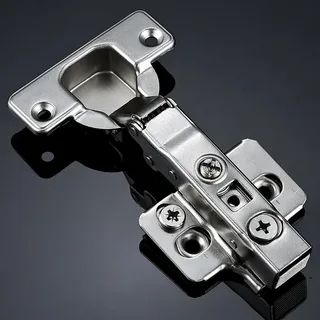
Automotive door hinges are engineered to support the repeated opening and closing of doors without compromising alignment or function. These components must resist wear, corrosion, and deformation over the vehicle’s lifespan, especially in harsh weather conditions and high-usage environments. Modern hinges incorporate precision engineering and robust materials to offer long-term performance while maintaining consistent door alignment and structural support.
Widespread Applications Across Vehicle Segments
From compact city cars and electric vehicles to SUVs, trucks, and luxury sedans, door hinges are essential for reliable vehicle operation. In passenger cars, they contribute to comfort and aesthetic appeal by ensuring precise door movement. In commercial vehicles and heavy-duty trucks, robust hinge designs accommodate larger, heavier doors and frequent usage. Specialty vehicles, including armored or off-road models, require enhanced hinge solutions that combine strength with flexibility.
Compliance with Safety and Manufacturing Standards
As automotive safety and production standards continue to evolve, door hinge manufacturers are aligning their designs with stringent quality and performance benchmarks. Crash safety regulations require hinges to contribute to door integrity during impact, ensuring passenger protection and enabling emergency egress. Rigorous lifecycle testing and simulation help ensure that hinge systems meet these demanding criteria and maintain functionality throughout extended vehicle use.
Integration with Advanced Door Systems
Today’s vehicles increasingly feature powered, sensor-enabled, and automated doors that rely on integrated hinge systems. Hinges must accommodate embedded wiring, sensors, and soft-close or power-assisted mechanisms without restricting movement or compromising design. This integration is critical in electric and luxury vehicles, where advanced features such as frameless doors, rear-hinged (suicide) doors, or gull-wing designs are gaining traction.
Material Innovation and Lightweighting
Material selection plays a pivotal role in hinge development. With automotive manufacturers focusing on reducing vehicle weight to improve fuel efficiency and range, hinges made from aluminum alloys, high-strength steels, and composite materials are being adopted. These materials maintain structural performance while contributing to overall vehicle lightweighting strategies, especially in electric and performance vehicles where every kilogram matters.
Design Customization and Aesthetic Considerations
Automotive hinges are no longer purely functional—they also influence the vehicle’s appearance and user experience. Sleek, concealed hinge systems are popular in modern car designs, offering a clean exterior look while ensuring secure door operation. Manufacturers provide customized hinge geometries and finishes that align with unique door configurations, including flush doors and rear sliders, supporting both design innovation and user convenience.
Corrosion Resistance and Low Maintenance
Given their exposure to the elements, automotive door hinges must resist corrosion caused by moisture, road salts, and environmental pollutants. Anti-corrosive coatings, sealed bearing designs, and lubricated components help extend hinge life and reduce maintenance needs. Advances in surface treatments and coating technologies are enabling the production of hinges that retain their integrity and appearance even under severe conditions.
Focus on Assembly Efficiency and Cost Optimization
Automakers are seeking hinge solutions that simplify assembly and reduce production costs. Quick-fit designs, modular components, and pre-assembled hinge modules are gaining popularity for their ability to streamline manufacturing workflows. These innovations reduce installation time, improve alignment accuracy, and enhance overall vehicle assembly efficiency—critical factors in high-volume automotive production.
Enhancing Vehicle Accessibility and Ergonomics
Door hinges contribute to vehicle ergonomics by determining the range, angle, and ease of door movement. Innovations such as multi-stage hinges, wider opening angles, and user-friendly geometries improve accessibility for all users, including the elderly and those with mobility challenges. In mobility-focused and autonomous vehicle concepts, hinge designs are evolving to support non-traditional door styles that offer better ingress and egress experiences.
Drive Your Business Growth Strategy: Checkout the Report for Key Insights!
https://www.futuremarketinsights.com/checkout/3498
Future Outlook
The automotive door hinges market is poised to benefit from ongoing vehicle innovation, electrification, and the growing focus on user experience and safety. As new vehicle architectures emerge and lightweight materials become standard, hinge manufacturers will continue to develop tailored solutions that blend strength, aesthetics, and smart integration. Whether for conventional cars, electric vehicles, or futuristic autonomous models, door hinges will remain an indispensable component of vehicle design and function.
About Future Market Insights (FMI)
Future Market Insights, Inc. (ESOMAR certified, recipient of the Stevie Award, and a member of the Greater New York Chamber of Commerce) offers profound insights into the driving factors that are boosting demand in the market. FMI stands as the leading global provider of market intelligence, advisory services, consulting, and events for the Packaging, Food and Beverage, Consumer Technology, Healthcare, Industrial, and Chemicals markets. With a vast team of 400 analysts worldwide, FMI provides global, regional, and local expertise on diverse domains and industry trends across more than 110 countries.
Contact Us:
Future Market Insights Inc.
Christiana Corporate, 200 Continental Drive,
Suite 401, Newark, Delaware – 19713, USA
T: +1-845-579-5705
For Sales Enquiries: sales@futuremarketinsights.com
Website: https://www.futuremarketinsights.com
LinkedIn| Twitter| Blogs | YouTube