The global fire truck market is estimated to reach USD 6,376.3 million in 2025 and is projected to expand to USD 9,192.8 million by 2035, registering a compound annual growth rate (CAGR) of 3.8% over the forecast period. This growth is being driven by the modernization of emergency response fleets, regulatory mandates for fire safety upgrades, and technological innovation in electric and hybrid fire apparatus.
The fire truck market is evolving steadily as urbanization, industrial expansion, and climate-related emergencies increase the demand for faster, more efficient fire response systems. Fire trucks, also known as fire engines or firefighting apparatus, are critical assets for public safety organizations, designed to transport firefighters and essential equipment to emergency scenes. As modern fire risks grow in complexity, manufacturers are focusing on specialized configurations, advanced technologies, and environmentally conscious innovations to enhance fire service capabilities.
Essential Components of Emergency Infrastructure
Fire trucks serve as multifunctional platforms equipped with water pumps, hoses, ladders, rescue tools, and communication systems. Depending on their design, they may also include foam systems, hydraulic rescue tools, breathing apparatus, and onboard medical equipment. Their role extends beyond firefighting, often encompassing search and rescue, medical emergencies, and hazardous material incidents. The versatility and reliability of these vehicles make them indispensable for effective emergency response.
Get Ahead with Our Report: Request Your Sample Now!
https://www.futuremarketinsights.com/reports/sample/rep-gb-2732
Diverse Configurations for Varied Applications
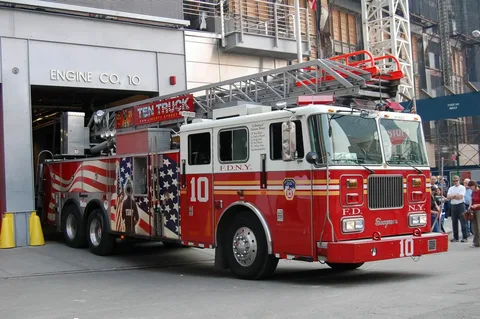
The market encompasses several types of fire trucks, each tailored to specific firefighting and rescue operations. Pumpers (or engine trucks) are the most common, used for carrying hoses and water tanks. Aerial ladder trucks feature extendable ladders for accessing high-rise buildings, while tanker trucks transport large volumes of water to areas without hydrant access. Rescue trucks are outfitted with specialized tools for extrication and technical rescues. Wildland fire engines are designed for off-road mobility and rugged terrain, playing a critical role in forest and grassland fire control.
Integration of Advanced Technologies
Modern fire trucks are integrating digital technologies to improve operational efficiency and safety. Onboard systems now include GPS tracking, vehicle diagnostics, real-time communication networks, and thermal imaging devices. Smart control panels, automatic water pressure regulation, and remote monitoring systems help firefighters manage complex incidents with greater precision. Some trucks are equipped with cameras and sensors for visibility in low-light or smoke-filled conditions, while others support drone operations for aerial surveillance and situational awareness.
Focus on Safety and Ergonomics
Safety is a central concern in fire truck design. Ergonomically arranged equipment compartments, low-entry cabs, and anti-slip surfaces enhance usability and reduce response time. Modern trucks also feature rollover protection, advanced braking systems, and reinforced cabins to safeguard crew members during transit and operation. Fire departments are increasingly investing in vehicles with enhanced lighting systems, reflective markings, and integrated safety protocols to reduce accident risks during night-time or high-traffic deployments.
Customization and Modular Design Trends
Customization plays a key role in the fire truck market. Departments can specify features based on local risks, population density, terrain, and fire incident patterns. Manufacturers offer modular platforms that allow departments to choose the layout of pumps, ladders, water tanks, foam systems, and storage compartments. These tailored configurations optimize space, reduce operational complexity, and ensure that each truck is mission-ready for specific scenarios, from urban high-rises to rural brush fires.
Sustainability and Electrification Initiatives
Environmental concerns are influencing the next generation of fire trucks. Manufacturers are exploring electric and hybrid fire trucks to reduce emissions and noise, especially for urban settings where environmental standards are strict. Lightweight materials, energy-efficient lighting, and idle-reduction systems are being adopted to improve overall sustainability. Battery-powered auxiliary systems and regenerative braking technologies are emerging as practical solutions to support eco-friendly firefighting operations without compromising performance.
Global Expansion and Urbanization Impact
Rapid urban development, particularly in emerging economies, is driving demand for modern firefighting infrastructure. Expanding cityscapes, taller buildings, and increased population density pose new fire risks, requiring well-equipped fleets and rapid deployment capabilities. In rural and underdeveloped areas, efforts are underway to upgrade outdated vehicles with modern fire trucks that meet current safety and operational standards, enhancing overall disaster preparedness.
Future Outlook
The fire truck market is set for sustained growth as fire departments, municipalities, and industrial sectors continue to modernize their emergency response fleets. Technological innovation, environmental responsibility, and functional customization will shape the evolution of these critical vehicles. As fire threats grow more complex and diverse, next-generation fire trucks will combine intelligent systems, advanced engineering, and adaptable design to ensure faster, safer, and more effective emergency response worldwide.
Drive Your Business Growth Strategy: Checkout the Report for Key Insights!
https://www.futuremarketinsights.com/checkout/2732
About Future Market Insights (FMI)
Future Market Insights, Inc. (ESOMAR certified, recipient of the Stevie Award, and a member of the Greater New York Chamber of Commerce) offers profound insights into the driving factors that are boosting demand in the market. FMI stands as the leading global provider of market intelligence, advisory services, consulting, and events for the Packaging, Food and Beverage, Consumer Technology, Healthcare, Industrial, and Chemicals markets. With a vast team of 400 analysts worldwide, FMI provides global, regional, and local expertise on diverse domains and industry trends across more than 110 countries.
Contact Us:
Future Market Insights Inc.
Christiana Corporate, 200 Continental Drive,
Suite 401, Newark, Delaware – 19713, USA
T: +1-845-579-5705
For Sales Enquiries: sales@futuremarketinsights.com
Website: https://www.futuremarketinsights.com
LinkedIn| Twitter| Blogs | YouTube