The global air suspension systems market is projected to expand at CAGR of 9.6% during the forecast period. The current valuation of the industry is USD 6,262.4 Million in 2025. The market value of the air suspension systems is anticipated to surpass a market valuation of USD 15,662.0 Million by the year 2035.
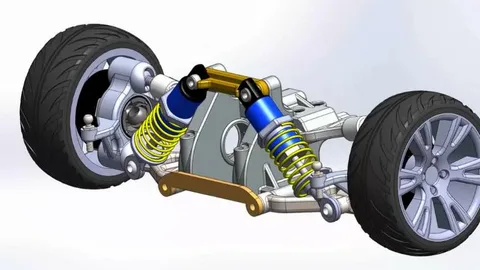
The air suspension systems market is witnessing steady growth as automotive manufacturers and fleet operators increasingly prioritize ride quality, load adaptability, and vehicle stability. These systems, which use compressed air for cushioning instead of conventional steel springs, are emerging as vital components in enhancing both passenger and commercial vehicle performance.
Get Ahead with Our Report: Request Your Sample Now!
Enhanced Ride Comfort and Vehicle Control
Air suspension systems offer a superior driving experience by adjusting suspension stiffness and ride height based on road conditions and vehicle load. This adaptability improves overall ride comfort, reduces driver fatigue, and enhances handling dynamics. The technology is gaining popularity across luxury vehicles, buses, and heavy-duty trucks, where passenger comfort and cargo protection are paramount.
Growing Role in Commercial Transport
In commercial and logistics sectors, air suspension systems are increasingly being adopted to support variable load capacities and maintain consistent vehicle height. These systems help reduce wear and tear on roadways and vehicles, lower maintenance costs, and improve fuel efficiency by maintaining optimal aerodynamic profiles. For fleet operators, this translates into operational reliability and cost savings.
Integration with Electronic Control Systems
Modern air suspension systems are frequently integrated with electronic control units that automatically manage air pressure based on driving conditions. These systems support features such as automatic leveling, load balancing, and terrain-responsive adjustment. This level of automation not only improves safety and comfort but also aligns with the broader trend of vehicle electrification and autonomy.
Exhaustive Market Report: A Complete Study
Applications Across Vehicle Segments
The benefits of air suspension are being realized across a wide range of vehicle types, including passenger cars, light commercial vehicles, heavy trucks, and specialty vehicles. In high-end sedans and SUVs, air suspension adds to the premium driving experience. In buses and ambulances, it improves accessibility through adjustable floor height. In off-road and military vehicles, it enhances mobility and shock absorption on rugged terrains.
Customization and OEM Collaboration
Automakers and system suppliers are collaborating to develop vehicle-specific air suspension solutions. These tailored systems account for factors such as gross vehicle weight, driving behavior, and customer expectations. From sport tuning to load optimization, customization helps manufacturers meet diverse market demands and brand positioning strategies.
Aftermarket Opportunities and Retrofitting
The aftermarket for air suspension systems is also growing, with retrofitting options available for older or standard vehicles. Vehicle owners, especially in the commercial space, are turning to aftermarket service providers to upgrade their fleets with air suspension kits. These solutions offer enhanced value and extended vehicle utility, especially in markets where road conditions demand greater suspension adaptability.
Focus on Durability and Maintenance Efficiency
Manufacturers are investing in technologies that improve the durability and longevity of air suspension components. Innovations in air spring materials, compressor reliability, and valve precision are reducing failure rates and simplifying maintenance routines. Service providers are also offering diagnostics and preventive maintenance packages to ensure long-term performance.
Sustainability and Fuel Efficiency Drivers
Air suspension systems contribute to sustainability goals by reducing rolling resistance and improving fuel economy through optimized vehicle height and alignment. In hybrid and electric vehicles, weight optimization and energy efficiency are critical, making lightweight air suspension solutions particularly attractive.
Future Outlook
As vehicles become smarter, more efficient, and user-focused, air suspension systems are set to play a pivotal role in this transformation. The market is expected to benefit from advancements in automation, sensor integration, and materials technology. Service providers, OEMs, and suppliers will continue to innovate, offering intelligent, responsive suspension systems that redefine comfort, performance, and efficiency in modern mobility.
Catapult Your Strategy: Secure Key Insights with Our Report Checkout!
About Future Market Insights (FMI)
Future Market Insights, Inc. (ESOMAR certified, recipient of the Stevie Award, and a member of the Greater New York Chamber of Commerce) offers profound insights into the driving factors that are boosting demand in the market. FMI stands as the leading global provider of market intelligence, advisory services, consulting, and events for the Packaging, Food and Beverage, Consumer Technology, Healthcare, Industrial, and Chemicals markets. With a vast team of 400 analysts worldwide, FMI provides global, regional, and local expertise on diverse domains and industry trends across more than 110 countries.
Contact Us:
Future Market Insights Inc.
Christiana Corporate, 200 Continental Drive,
Suite 401, Newark, Delaware – 19713, USA
T: +1-845-579-5705
For Sales Enquiries: sales@futuremarketinsights.com
Website: https://www.futuremarketinsights.com
LinkedIn| Twitter| Blogs | YouTube