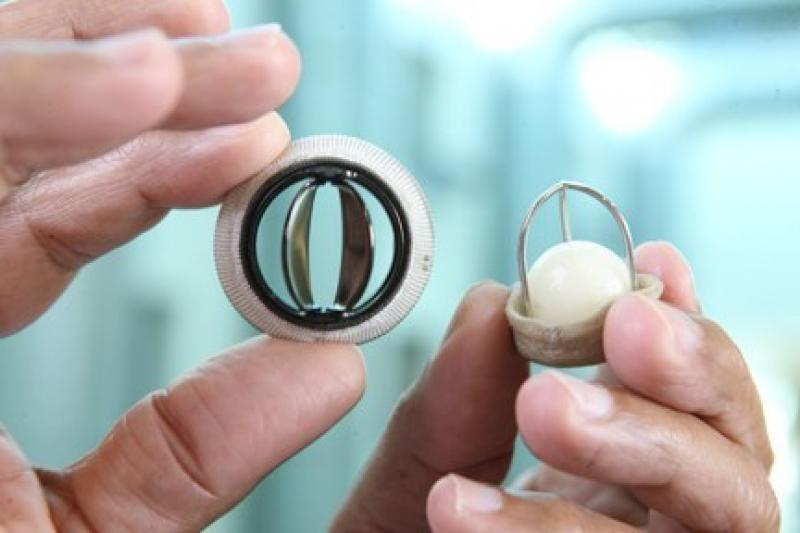
The prosthetic heart valve market is expected to reach USD 15,294.6 million by 2025 and grow at a compound annual growth rate (CAGR) of 7.5% to reach USD 31,522.6 million by 2035. The prosthetic heart valve industry brought in around USD 14,227.52 million in 2024.
The prosthetic heart valve market is poised for dynamic growth and transformation over the coming decade. As cardiovascular diseases continue to be a leading cause of mortality worldwide, advancements in prosthetic heart valve technology are gaining prominence. This blog explores the meaning of prosthetic heart valves, offers an overview of the market outlook from 2025 to 2035, highlights growth drivers, emerging trends, demand factors, and examines the competitive landscape shaping the industry’s future.
Get Sample Report: – https://www.futuremarketinsights.com/reports/sample/rep-gb-666
Introduction to Prosthetic Heart Valves
A prosthetic heart valve is a medical device implanted in patients to replace a malfunctioning natural heart valve. These valves are critical for restoring normal blood flow and improving heart function in individuals suffering from valve diseases such as stenosis or regurgitation. Prosthetic valves come in two primary types: mechanical valves, which are durable and long-lasting, and bioprosthetic valves, which are made from biological tissue and are favored for their lower risk of blood clots.
The significance of prosthetic heart valves cannot be overstated; they offer a life-saving solution to patients who might otherwise face debilitating symptoms or fatal outcomes. With an increasing aging population and rising prevalence of heart valve disorders, the demand for prosthetic heart valves is on an upward trajectory.
Meaning and Importance of Market Outlook
Understanding the market outlook for prosthetic heart valves from 2025 to 2035 is essential for stakeholders, including manufacturers, healthcare providers, investors, and policymakers. The outlook encompasses projections about growth patterns, technological innovations, regulatory influences, and patient demographics that will shape the market.
The outlook also underscores how global health challenges, technological advancements, and evolving treatment protocols will impact the accessibility and adoption of these life-saving devices. Insight into market dynamics helps in anticipating opportunities and challenges, ensuring strategic decision-making aligned with future trends.
Overview of the Prosthetic Heart Valve Market
The prosthetic heart valve market is marked by rapid innovation and increasing adoption worldwide. The global burden of valvular heart disease has stimulated extensive research and development, leading to improved valve designs, minimally invasive implantation techniques, and enhanced durability of prosthetic valves.
Market participants are focusing on developing valves that reduce complications such as thrombosis, infection, and structural valve deterioration. The emergence of transcatheter aortic valve replacement (TAVR) procedures has revolutionized the treatment landscape, providing a less invasive alternative to open-heart surgery, especially for high-risk patients.
The market spans various geographic regions, each characterized by distinct demand patterns driven by healthcare infrastructure, patient awareness, and regulatory frameworks. The rise in healthcare expenditure, coupled with increasing governmental support for cardiovascular health, further propels the market forward.
Growth Drivers in the Prosthetic Heart Valve Market
Several factors are driving the growth of the prosthetic heart valve market:
- Rising Incidence of Cardiovascular Diseases: With heart valve diseases becoming more common due to aging populations, unhealthy lifestyles, and increasing prevalence of conditions like hypertension and diabetes, the need for valve replacement surgeries grows.
- Technological Innovations: Advancements in valve materials, design, and implantation methods have enhanced patient outcomes, reduced recovery times, and minimized risks, encouraging more widespread adoption.
- Aging Global Population: Older adults are more susceptible to valvular heart diseases. The expanding elderly demographic significantly fuels demand for prosthetic valves.
- Minimally Invasive Procedures: The popularity of minimally invasive surgeries like TAVR, which offer quicker recovery and less trauma, is broadening the patient base, including those previously deemed unfit for surgery.
- Improved Diagnostic Techniques: Enhanced imaging and diagnostic capabilities allow earlier detection of valve
Click Here to Purchase the Report:- https://www.futuremarketinsights.com/checkout/666
About Future Market Insights (FMI)
Future Market Insights, Inc. (ESOMAR certified, recipient of the Stevie Award, and a member of the Greater New York Chamber of Commerce) offers profound insights into the driving factors that are boosting demand in the market. FMI stands as the leading global provider of market intelligence, advisory services, consulting, and events for the Packaging, Food and Beverage, Consumer Technology, Healthcare, Industrial, and Chemicals markets. With a vast team of over 400 analysts worldwide, FMI provides global, regional, and local expertise on diverse domains and industry trends across more than 110 countries.
Contact Us:
Future Market Insights Inc.
Christiana Corporate, 200 Continental Drive,
Suite 401, Newark, Delaware – 19713, USA
T: +1-347-918-3531
For Sales Enquiries: sales@futuremarketinsights.com
Website: https://www.futuremarketinsights.com
LinkedIn| Twitter| Blogs | YouTube