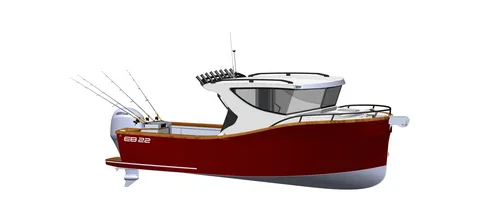
The global electric boat market is valued at USD 7.68 billion in 2025. The market is set to witness USD 20.85 billion by 2035, registering a robust CAGR of 10.5% during the forecast period. This growth is primarily driven by the increasing emphasis on reducing carbon emissions and promoting sustainable marine transportation solutions worldwide.
The electric boat market is making waves as the maritime industry pivots toward sustainable, quiet, and emission-free alternatives to traditional combustion engines. With environmental regulations tightening and consumer interest in clean technology growing, electric boats are emerging as a transformative solution across recreational, commercial, and urban water transport applications.
Get Ahead with Our Report: Request Your Sample Now!
Rising Focus on Eco-Friendly Marine Solutions
As global attention shifts toward climate action and decarbonization, maritime stakeholders are exploring cleaner propulsion systems. Electric boats, powered by batteries and electric motors, offer zero-emission operation, reduced noise pollution, and lower maintenance demands. These benefits are attracting interest from environmentally conscious consumers, tourism operators, and port authorities seeking to reduce their carbon footprints.
Widespread Adoption Across Use Cases
Electric boats are gaining traction across a wide spectrum of applications. From leisure yachts and passenger ferries to fishing boats and rental fleets, various operators are transitioning to electric propulsion. Urban waterways in particular are witnessing increased adoption, as cities seek sustainable alternatives to diesel-powered water taxis and ferries. The silent and clean operation of electric boats makes them ideal for both natural and densely populated environments.
Advancements in Battery and Charging Technology
One of the key enablers of the electric boat market’s growth is innovation in battery technology. Advances in lithium-ion batteries, energy density, and charging infrastructure are enhancing vessel range, speed, and operational uptime. Fast-charging stations are being installed at marinas and waterfronts, supporting the practicality of all-electric marine fleets. Energy management systems and regenerative braking features are also improving overall efficiency.
Exhaustive Market Report: A Complete Study
Customization and Modular Design Trends
To address varying customer needs and vessel types, electric boat manufacturers are offering modular and customizable configurations. Hull design, battery capacity, propulsion power, and onboard systems can all be tailored to suit specific use cases. This flexibility allows boat builders to cater to both luxury markets and budget-conscious segments. Marine engineering firms and consultants are playing a key role in system integration and design optimization.
Integration of Smart Technologies
Electric boats are increasingly being equipped with smart features such as GPS navigation, telemetry, digital dashboards, and remote diagnostics. These technologies enhance safety, performance monitoring, and user convenience. IoT-enabled systems allow fleet operators to track battery health, usage patterns, and energy consumption in real time—enabling data-driven decisions and predictive maintenance.
Supportive Regulations and Government Incentives
Government initiatives and regulatory frameworks are accelerating the adoption of electric marine technologies. Incentives such as subsidies, tax breaks, and grants for electric boat purchases or infrastructure development are encouraging both manufacturers and consumers. Additionally, emission regulations for inland waterways and coastal zones are prompting a shift from conventional to electric vessels.
Emphasis on Safety, Certification, and Standards
Safety remains a top priority in the electric boat industry. Manufacturers and service providers are aligning with maritime safety standards and certification processes to ensure reliable and secure operations. This includes battery safety protocols, waterproofing systems, fire resistance measures, and compliance with classification societies and marine regulatory authorities.
Training, Maintenance, and Ecosystem Development
As electric boats become more mainstream, there is growing demand for skilled personnel to operate, maintain, and service these vessels. Training programs for technicians, boat operators, and marina staff are emerging to support the expanding ecosystem. Additionally, partnerships between technology providers, boatbuilders, and energy companies are fostering innovation and scalability.
Future Outlook
With the marine industry’s sustainability journey accelerating, the electric boat market is set for long-term growth. The convergence of clean energy technologies, evolving consumer preferences, and supportive policy landscapes is reshaping waterborne mobility. As battery technology continues to advance and infrastructure expands, electric boats will play a central role in redefining maritime transport—delivering a future that is quieter, cleaner, and more connected.
Catapult Your Strategy: Secure Key Insights with Our Report Checkout!
About Future Market Insights (FMI)
Future Market Insights, Inc. (ESOMAR certified, recipient of the Stevie Award, and a member of the Greater New York Chamber of Commerce) offers profound insights into the driving factors that are boosting demand in the market. FMI stands as the leading global provider of market intelligence, advisory services, consulting, and events for the Packaging, Food and Beverage, Consumer Technology, Healthcare, Industrial, and Chemicals markets. With a vast team of 400 analysts worldwide, FMI provides global, regional, and local expertise on diverse domains and industry trends across more than 110 countries.
Contact Us:
Future Market Insights Inc.
Christiana Corporate, 200 Continental Drive,
Suite 401, Newark, Delaware – 19713, USA
T: +1-845-579-5705
For Sales Enquiries: sales@futuremarketinsights.com
Website: https://www.futuremarketinsights.com
LinkedIn| Twitter| Blogs | YouTube