The porous ceramics have long played a role in high-performance filtration, insulation, and catalysis across a wide range of industrial sectors. In Europe, the market for porous ceramics is traditionally centered around environmental applications, chemical processing, and electronics. However, a lesser-known yet increasingly significant driver is emerging: the region’s fast-developing hydrogen economy. This niche yet growing sector is generating a specialized demand for porous ceramic materials that support hydrogen production, purification, and storage. While most market analyses focus on conventional segments, the intersection of porous ceramics and hydrogen technologies represents a strategic opportunity for growth, innovation, and investment.
Request Your Sample and Stay Ahead with Our Insightful Report!
A Silent Engine in the Energy Transition
As Europe aggressively transitions toward cleaner energy sources, hydrogen has taken center stage in long-term decarbonization strategies. The European Commission’s Hydrogen Strategy aims to install at least 40 GW of renewable hydrogen electrolyzers by 2035. This ambition demands not just electrolyzers and storage infrastructure, but a class of advanced materials that can operate under extreme conditions—high pressure, high temperature, and chemical reactivity. Porous ceramics, with their thermal stability, chemical inertness, and adjustable pore structures, are ideally suited for key components in hydrogen production and storage systems.
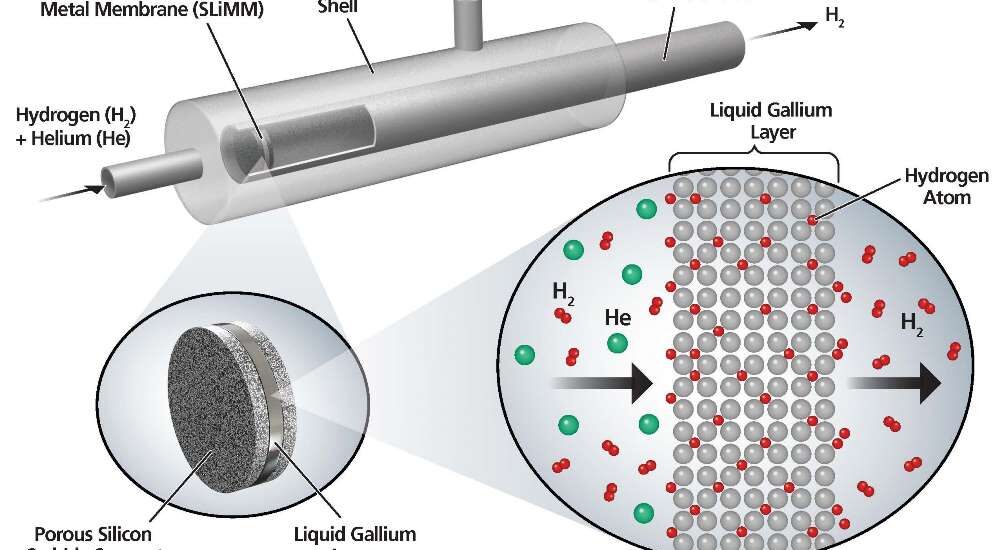
For instance, porous ceramic membranes are essential in gas separation units within electrolysis systems, helping to isolate hydrogen molecules with high selectivity. These membranes also play a critical role in solid oxide electrolysis cells (SOECs), where their microstructure can be tailored to enhance ionic conductivity and mechanical resilience.
A Shift in Application Scope: From Filters to Functional Reactors
Traditionally used in air and fluid filtration, porous ceramics are now being adapted as functional elements in hydrogen-related reactors. In catalytic reforming and water-gas shift reactors, porous ceramic monoliths act as structured catalyst supports, providing a large surface area for catalytic materials to adhere to, while allowing for efficient heat transfer and pressure drop management. These features are indispensable in compact hydrogen generators and onboard fuel reforming units used in decentralized energy systems.
Moreover, the hydrogen purification process involves advanced separation steps, where porous ceramics offer an alternative to metal-based membranes. Unlike palladium alloys—which are expensive and sensitive to sulfur compounds—porous ceramic membranes can be engineered to withstand corrosive environments while maintaining cost-effectiveness and performance.
To Gain More Insights about this Research, Visit!
Case in Point: Porous Ceramics in Hydrogen Fuel Cell Vehicles
An illustrative example comes from a German automotive supplier collaborating with a Dutch ceramics company to develop a porous ceramic humidifier for hydrogen fuel cell vehicles. In these vehicles, managing water vapor is critical to ensure the efficiency and durability of the proton exchange membrane (PEM). Traditional polymer-based humidifiers face degradation under thermal and chemical stress. By integrating a porous ceramic unit, the humidification system demonstrated longer operational life and more stable performance over a wider temperature range, improving the overall reliability of the fuel cell stack.
This single-component substitution, though niche, has ripple effects across the supply chain—triggering demand for specialized ceramic processing equipment, advanced raw materials, and custom prototyping, all of which contribute to expanding the scope of Europe’s porous ceramic market.
Regulatory and Research Catalysts in Europe
The European Union’s push toward green hydrogen is also backed by substantial funding through initiatives such as Horizon Europe and the Clean Hydrogen Partnership. These programs are not only subsidizing electrolyzer deployment but also incentivizing innovation in the materials ecosystem. As part of several EU-funded research consortia, universities and private R&D labs are actively exploring new compositions and microstructures in ceramic membranes to enhance gas permeability and structural integrity.
This research focus is being matched by industry action. For example, a French startup working on scalable ceramic 3D printing recently announced a partnership to develop hollow-structured membranes for use in hydrogen separation. Such developments underscore the dynamic innovation landscape that porous ceramics now inhabit within the broader hydrogen economy.
Challenges to Scaling and Commercial Adoption
Despite their technical potential, porous ceramics face challenges in large-scale adoption for hydrogen applications. The primary hurdle lies in the high cost of precision manufacturing. Producing membranes with controlled porosity, consistent microstructure, and minimal defects requires specialized equipment and extensive quality control. Additionally, performance validation under hydrogen-specific conditions—such as high-pressure cycling or exposure to high-purity environments—extends time-to-market and raises development costs.
Another obstacle is the fragmented nature of the supply chain. Many European ceramic producers are small to mid-sized enterprises (SMEs) with limited capacity for scale-up and customization. While this encourages specialization, it also means that collaborative ecosystems between ceramic manufacturers, energy firms, and systems integrators must be strengthened to achieve commercialization.
Reach out to Sales to Secure Your Copy of the Report Now!
A Strategic Convergence of Materials and Energy
The integration of porous ceramics into hydrogen energy systems is more than just a materials science success—it represents a strategic convergence of Europe’s strengths in precision engineering, environmental regulation, and clean energy leadership. While this niche application may not dominate current market share, its trajectory points toward exponential growth aligned with the EU’s long-term decarbonization goals.
By recognizing the role of porous ceramics in the hydrogen economy, stakeholders can better prepare for future demand, unlock funding opportunities, and foster industrial partnerships. Ignoring this emergent application risks underestimating one of the most transformative intersections in the European fine ceramics landscape. For those ready to invest, innovate, or collaborate, the message is clear: the next big opportunity in porous ceramics may be found where energy innovation meets microstructural mastery.
About Future Market Insights (FMI)
Future Market Insights, Inc. (ESOMAR certified, recipient of the Stevie Award, and a member of the Greater New York Chamber of Commerce) offers profound insights into the driving factors that are boosting demand in the market. FMI stands as the leading global provider of market intelligence, advisory services, consulting, and events for the Packaging, Food and Beverage, Consumer Technology, Healthcare, Industrial, and Chemicals markets. With a vast team of over 400 analysts worldwide, FMI provides global, regional, and local expertise on diverse domains and industry trends across more than 110 countries.
Join us as we commemorate 10 years of delivering trusted market insights. Reflecting on a decade of achievements, we continue to lead with integrity, innovation, and expertise.
Contact Us:
Future Market Insights Inc.
Christiana Corporate, 200 Continental Drive,
Suite 401, Newark, Delaware – 19713, USA
T: +1-347-918-3531
For Sales Enquiries: sales@futuremarketinsights.com
Website: https://www.futuremarketinsights.com
LinkedIn| Twitter| Blogs | YouTube