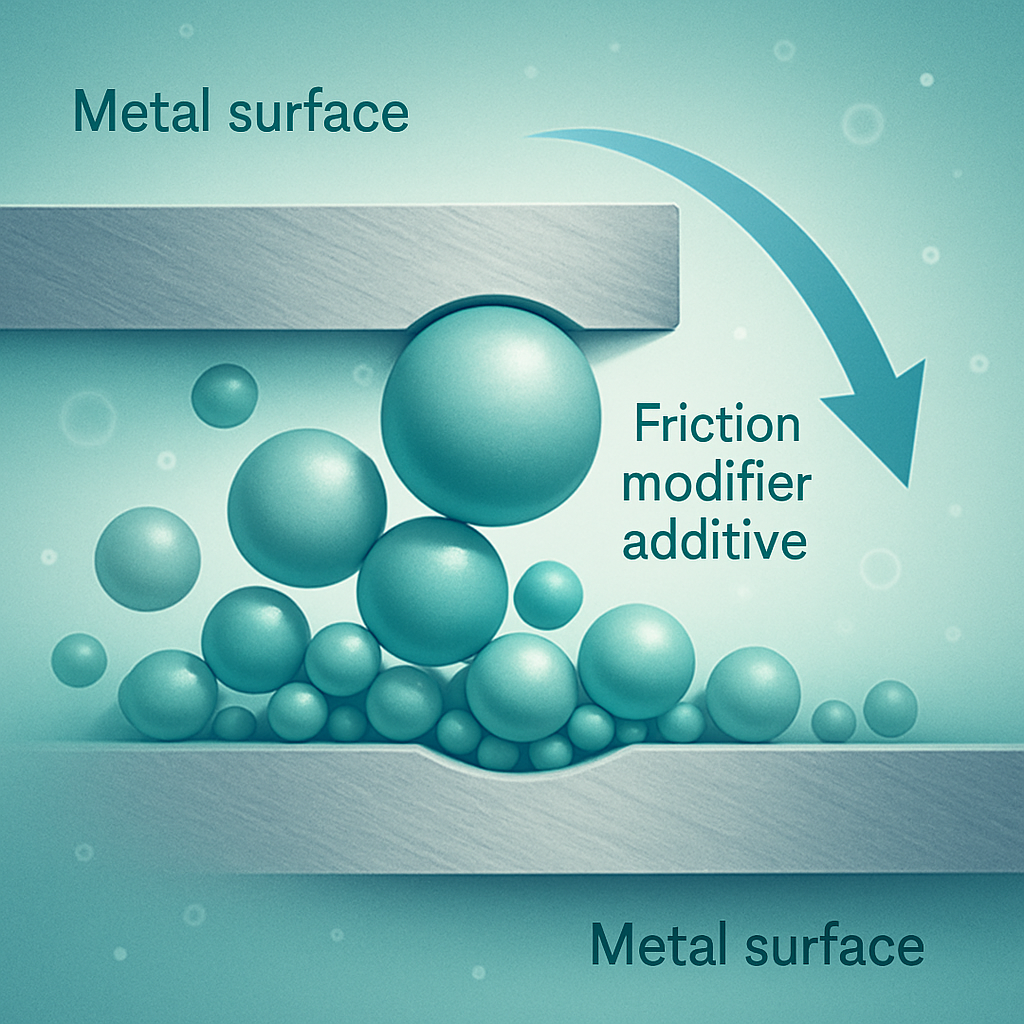
The Friction Modifier Additives Market is poised for steady growth, with its value expected to increase from USD 1,775.1 million in 2025 to approximately USD 2,704.4 million by 2035, registering a compound annual growth rate (CAGR) of 4.3% over the forecast period. The market’s expansion is being primarily fueled by rising global emphasis on fuel efficiency, lower emissions, and optimized engine performance across automotive and industrial sectors.
Stay Ahead with Market Trends: Access Your Sample Report Now! https://www.futuremarketinsights.com/reports/sample/rep-gb-1656
Market Trends Highlighted
- Surge in Electric Mobility: EVs are driving demand for low-viscosity lubricants with tailored frictional characteristics, pushing growth in synthetic and ester-based friction modifier additives.
- Focus on Fuel Economy: Rising demand for fuel-efficient vehicles is encouraging the adoption of friction modifiers that reduce energy loss in engine and transmission systems.
- Expansion of Industrial Automation: Increased automation in manufacturing and heavy industries is leading to higher usage of high-performance lubricants with friction-reducing additives.
- Eco-Friendly Formulations: The push toward biodegradable and sustainable lubricants is promoting research into bio-based and ashless friction modifiers.
Recent Developments
- Lubrizol Corporation introduced new friction modifier additives for electric drivetrains, aiming to improve wear protection and thermal stability.
- BASF SE expanded its production of esters used in synthetic lubricants for low-friction applications.
- Chevron Oronite launched next-gen additive packages with enhanced fuel economy performance.
- Croda International Plc is investing in bio-based and biodegradable friction modifiers to cater to sustainable automotive lubricants.
- Afton Chemical has focused on advanced polymeric friction modifiers to meet OEM demands for hybrid and electric vehicle applications.
Key Takeaways of the Report
- Automotive applications remain the dominant segment, accounting for over 60% of total consumption.
- Asia Pacific leads the global market, driven by China and India’s automotive and industrial expansion.
- Bio-based friction modifiers are gaining momentum amid tightening environmental regulations.
- OEM collaborations are shaping product innovations to meet specific engine and equipment requirements.
Market Drivers
- Stringent Emission Norms: Regulatory frameworks such as Euro 7, CAFÉ standards, and China’s VI emission norms are compelling automakers to enhance fuel economy and reduce engine friction.
- Engine Downsizing & Turbocharging: Smaller, more powerful engines require high-performance lubricants, increasing demand for premium friction modifier additives.
- Rising Industrial Output: Emerging economies are investing in infrastructure, manufacturing, and power generation—boosting lubricant consumption across sectors.
- Growth of Synthetic Lubricants: Shift from mineral oils to synthetic lubricants necessitates advanced friction modifier compatibility.
- Thermal Management in EVs: The need for better thermal conductivity and wear protection in electric vehicles is creating new avenues for friction modifier applications
Regional Insights
- Asia Pacific:
Dominates the market with over 40% share, led by rapid industrialization and vehicle production in China, India, and Japan. Government incentives for fuel-efficient and electric vehicles are further fueling demand. - North America:
The U.S. leads in consumption of high-end synthetic lubricants, driven by stringent fuel economy mandates and technological advancements in the automotive sector. - Europe:
Germany, France, and the UK are at the forefront of EV adoption and eco-lubricant innovation. The EU’s sustainability goals are promoting the use of biodegradable friction modifiers. - Latin America & Middle East:
Moderate growth expected, driven by industrial growth and increased vehicle ownership in Brazil, Mexico, and GCC countries.
Country-wise CAGR Analysis (2025–2035)
- India: 7.3% CAGR — Driven by expanding automotive production, especially two-wheelers and EVs.
- China: 6.9% CAGR — Dominates Asia Pacific with large-scale industrial and vehicle lubricant demand.
- Germany: 5.5% CAGR — Increasing use of synthetic lubricants in premium and electric vehicles.
- United States: 4.9% CAGR — Mature but growing market for EV-focused additives and industrial automation lubricants.
- South Korea: 5.1% CAGR — Rise in high-performance vehicle segment and EV R&D fueling additive consumption.
Competition Outlook
The friction modifier additives market is moderately consolidated with a mix of global chemical conglomerates and regional players. Leading companies are focusing on:
- Strategic Partnerships: Collaborating with OEMs and lubricant manufacturers for tailored additive solutions.
- Sustainability Innovation: Investing in R&D for bio-based and ashless friction modifiers.
- Regional Expansion: Setting up production and R&D centers in high-growth regions like Asia Pacific.
- Portfolio Diversification: Offering customized solutions for both ICE and EV applications.
Key Company Insights
- The Lubrizol Corporation
- Infineum International Limited
- BASF SE
- Croda International Plc
- Afton Chemical Corporation
- Chevron Oronite Company LLC
- Royal Dutch Shell Plc
- Evonik Industries AG
- Tianhe Chemicals Group
- Vanderbilt Chemicals LLC
- LANXESS AG
- Sinopec Lubricant Company
- Adeka Corporation
- MidContinental Chemical Company
- King Industries, Inc.
Market Segmentation
By Product Type:
- Organic
- Polymer
- Fatty Acids
- Esters & Amides
- Inorganic
- MoDTC
- MoS2
- Graphite
- Other Product Types
By Application:
- Automobile Lubricants
- Industrial Lubricants
- Rail Lubricants
- Aviation Lubricants
- Power Generation Lubricants
- Others
Buy Now: https://www.futuremarketinsights.com/checkout/1656
About Future Market Insights (FMI)
Future Market Insights, Inc. (ESOMAR certified, recipient of the Stevie Award, and a member of the Greater New York Chamber of Commerce) offers profound insights into the driving factors that are boosting demand in the market. FMI stands as the leading global provider of market intelligence, advisory services, consulting, and events for the Packaging, Food and Beverage, Consumer Technology, Healthcare, Industrial, and Chemicals markets. With a vast team of over 400 analysts worldwide, FMI provides global, regional, and local expertise on diverse domains and industry trends across more than 110 countries. Join us as we commemorate 10 years of delivering trusted market insights. Reflecting on a decade of achievements, we continue to lead with integrity, innovation, and expertise.
Contact Us:
Future Market Insights Inc.
Christiana Corporate, 200 Continental Drive,
Suite 401, Newark, Delaware – 19713, USA
T: +1-347-918-3531
For Sales Enquiries: sales@futuremarketinsights.com
Website: https://www.futuremarketinsights.com
LinkedIn| Twitter| Blogs | YouTube