The carbon steel market is a cornerstone of global industrialization, accounting for a significant share of raw material supply for construction, automotive, energy, and manufacturing sectors. While carbon steel as a category has received substantial attention in research and analysis, the discussion often revolves around standard types such as mild steel or high-carbon steel used in heavy-duty applications. However, an overlooked segment of this market—low-carbon steel—is gradually gaining attention for its critical role in sustainable infrastructure development. In an era where industries are seeking environmentally responsible solutions, the applications of low-carbon steel present an opportunity that remains largely untapped.
Market Context
Carbon steel dominates over 90% of global steel production, thanks to its versatility and cost-effectiveness. Traditionally, this material has been preferred for pipelines, machinery, construction frameworks, and transportation components. Despite being a widely produced material, its strategic use in infrastructure projects aimed at sustainability is not a focal point in most market discussions. With global initiatives emphasizing carbon neutrality, low-carbon steel offers an avenue to align industrial needs with environmental goals.
Request Your Sample and Stay Ahead with Our Insightful Report!
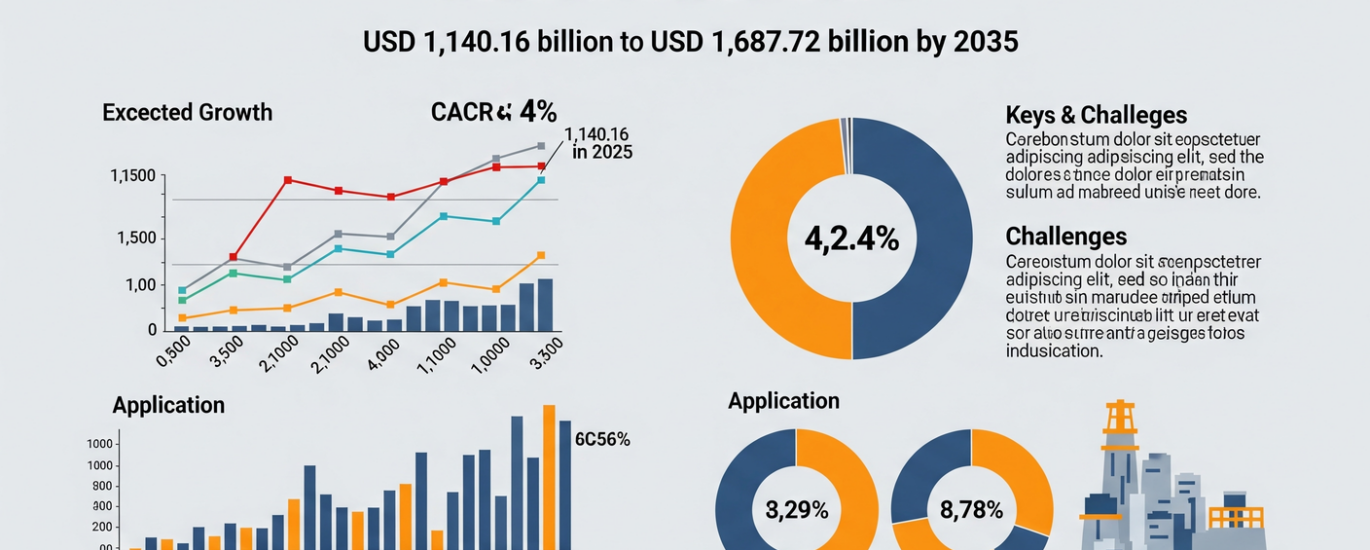
Recent estimates suggest that global carbon steel demand is projected to surpass USD 1,687.72 billion by 2035, driven by construction booms in emerging economies and increasing automotive production. Yet, as sustainability becomes a non-negotiable requirement, low-carbon steel’s lighter environmental footprint positions it as a preferred material for the future. Unlike higher-carbon alternatives, it generates fewer emissions during processing and offers superior recyclability, making it suitable for green-certified projects.
The Uncommon Insight: Low-Carbon Steel in Green Infrastructure
One of the most under-discussed aspects of the carbon steel market is the growing demand for eco-friendly building materials in infrastructure projects. Countries worldwide are pledging net-zero targets, and this is reshaping material selection criteria. Low-carbon steel stands out for its ability to reduce embodied carbon in construction. Unlike conventional steel options, it enables lighter structural designs without compromising strength, thereby lowering both material usage and transportation emissions.
For instance, sustainable bridge projects in Europe have started incorporating low-carbon steel to meet stringent green certification standards such as BREEAM and LEED. Similarly, renewable energy initiatives, particularly onshore and offshore wind farms, are increasingly integrating low-carbon steel in tower structures and nacelle components due to its combination of durability and environmental advantages. These developments signify a shift that many market reports have yet to emphasize, highlighting an opportunity for stakeholders to position themselves in a niche that aligns profitability with sustainability.
Case Studies and Real-World Examples
Consider the Forth Replacement Crossing in Scotland, one of the largest sustainable bridge projects in recent years. Engineers opted for low-carbon steel components to minimize lifecycle emissions, setting a precedent for future projects worldwide. In the automotive sector, leading manufacturers like Volkswagen and Toyota have started using low-carbon steel sheets in electric vehicle production to reduce overall carbon intensity in line with regulatory standards in Europe and Asia. Similarly, infrastructure investments in India under the Green Highways Policy are driving demand for sustainable materials, creating a lucrative market for low-carbon steel producers.
Moreover, Japanese steelmakers such as Nippon Steel have introduced low-carbon steel variants as part of their green transformation strategies. Their goal is to cater to infrastructure projects funded under government sustainability programs, which mandate reduced embodied emissions in construction materials. These examples reflect a growing alignment between policy frameworks and industrial adoption, reinforcing the relevance of this overlooked segment in the carbon steel market.
Future Outlook
As climate goals reshape industrial practices, the demand for low-carbon steel in sustainable infrastructure will surge. Emerging economies in Asia-Pacific, driven by massive urbanization, are expected to be key consumers. According to recent market forecasts, the adoption of low-carbon steel in green infrastructure could grow at a CAGR exceeding 4% through 2035, outpacing the overall carbon steel market’s growth rate. Technological innovations such as carbon capture in steelmaking and hydrogen-based reduction processes will further enhance the environmental credentials of low-carbon steel, making it an indispensable material for future construction and energy projects.
Additionally, supportive regulations like the EU Green Deal, U.S. Infrastructure Investment and Jobs Act, and Japan’s Green Growth Strategy will act as catalysts for increased adoption. Producers who invest early in specialized low-carbon steel grades and establish supply chains for eco-friendly projects will likely enjoy a competitive advantage in this evolving landscape.
Reach out to Sales to Secure Your Copy of the Report Now!
Key Segments of Market Report
By Carbon Content:
In terms of carbon content, the industry is divided into low, medium, and high-carbon-content steel.
By Product Type:
In terms of product type, the industry is divided into flat product types (galvanized corrugated sheets, hot roll coils, cold roll sheets, pipes, electrical sheets, tin plates, hot roll plates, and plates) and long product types (bars and rods, steel structural, and railway material).
By End-use:
In terms of end-use, the industry is divided into building and construction, automotive, railways, shipbuilding and marine, aerospace, oil and gas and energy, heavy machinery and equipment, consumer appliances, and, cutting tools and agriculture equipment.
By Region:
Key countries of North America, Latin America, Western Europe, Eastern Europe, East Asia, South Asia, and the Middle East and Africa have been covered in the report.
About Future Market Insights (FMI)
Future Market Insights, Inc. (ESOMAR certified, recipient of the Stevie Award, and a member of the Greater New York Chamber of Commerce) offers profound insights into the driving factors that are boosting demand in the market. FMI stands as the leading global provider of market intelligence, advisory services, consulting, and events for the Packaging, Food and Beverage, Consumer Technology, Healthcare, Industrial, and Chemicals markets. With a vast team of over 400 analysts worldwide, FMI provides global, regional, and local expertise on diverse domains and industry trends across more than 110 countries.
Join us as we commemorate 10 years of delivering trusted market insights. Reflecting on a decade of achievements, we continue to lead with integrity, innovation, and expertise.
Contact Us:
Future Market Insights Inc.
Christiana Corporate, 200 Continental Drive,
Suite 401, Newark, Delaware – 19713, USA
T: +1-347-918-3531
For Sales Enquiries: sales@futuremarketinsights.com
Website: https://www.futuremarketinsights.com
LinkedIn| Twitter| Blogs | YouTube