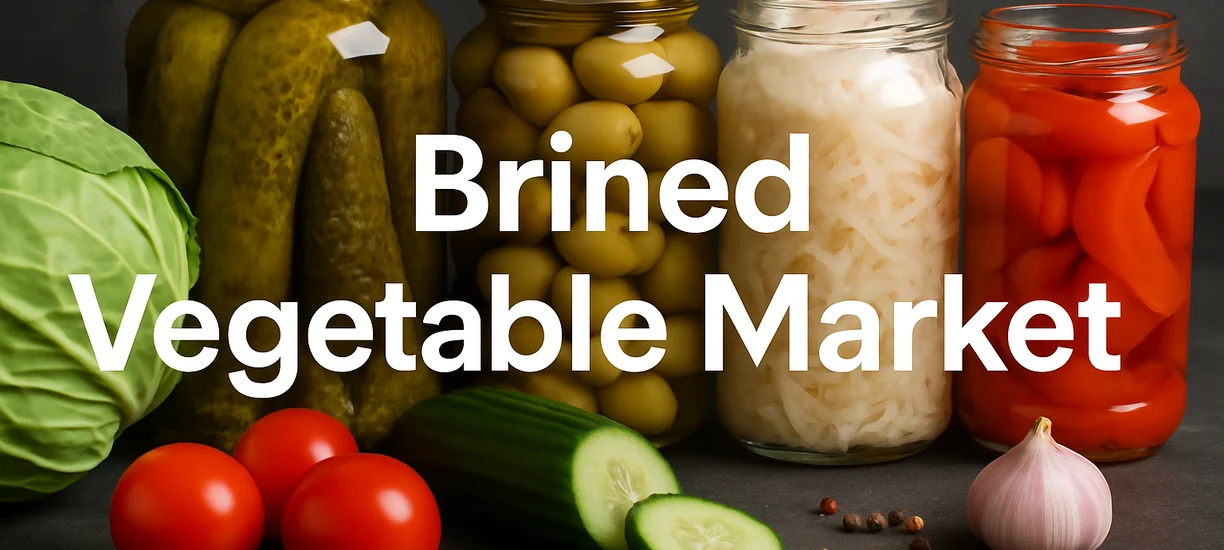
The global brined vegetable market is projected to reach a valuation of USD 1,375.6 million in 2025, and is expected to rise to USD 1,995.4 million by 2035, expanding at a CAGR of 4.1% during the forecast period from 2025 to 2035. This growth is fueled by a resurgence in consumer interest in fermented, preserved foods for both their unique taste and gut-health benefits.
Brining, a method traditionally used to preserve vegetables, is gaining mainstream acceptance worldwide due to increasing awareness of natural preservation techniques and probiotic-rich diets. It involves immersing vegetables in coarse salt, triggering anaerobic fermentation, where naturally occurring bacteria break down sugars without the need for oxygen. This process not only extends shelf life but also enhances flavor and texture, giving brined vegetables their distinct tang and crunch.
Though brining is commonly associated with vegetables, the technique is also being applied to fruits and cheeses, offering manufacturers a versatile preservation approach. As clean-label trends and artisanal food preferences gain traction globally, more brands are turning to traditional preservation methods like brining to meet consumer expectations.
Get a Taste of the Full Report – Request a Sample Today: https://www.futuremarketinsights.com/reports/sample/rep-gb-6065
Global Brined Vegetables Market Gains Momentum with Surge in Health-Conscious Eating and Traditional Food Revival
The global brined vegetables market is witnessing significant expansion, fueled by a growing inclination toward fermented and plant-based diets. Consumers are increasingly drawn to the health benefits of brined and vinegar-preserved vegetables, traditionally known for their probiotic properties and ability to boost gut health. As a result, the market is undergoing rapid transformation—marked by innovation in product variety, clean-label offerings, and sustainable packaging practices.
According to recent industry insights, the rising popularity of traditional fermented vegetable foods such as kimchi, sauerkraut, and pickled cucumbers is pushing the global demand for brined vegetables in the food industry. These products are gaining visibility not just as side dishes but as core components in health-forward diets and fusion cuisines.
Health Benefits and Clean-Label Movement Drive Consumer Shift
One of the primary drivers of the brined vegetable market is the growing awareness of the health benefits driving brined vegetable sales. Brined vegetables are a source of natural probiotics, aiding in digestion and immunity. As probiotic-rich vegetable products rise in demand, manufacturers are emphasizing natural fermentation processes without artificial preservatives.
In alignment with the clean-label fermented foods trend, brands are reformulating recipes to include organic, non-GMO ingredients and reduce sodium levels. This caters directly to health-conscious and aging populations looking for heart-friendly food alternatives. The increasing appeal of low-sodium brined vegetable products gaining traction is evident across both developed and emerging markets.
Cultural Cuisine and Vegan Trends Fuel Product Diversification
The resurgence of interest in ethnic cuisines driving brined vegetable demand has inspired a wave of artisanal and regional brined products. Traditional European, Korean, and Middle Eastern fermented vegetables are entering mainstream Western diets, reflecting broader global palate integration.
Moreover, vegan and plant-based diets boosting brined vegetable market expansion is a significant trend. Brined vegetables are ideal for plant-based meal planning, offering both flavor and nutrition without animal-derived ingredients. The versatility of these products in bowls, wraps, salads, and sandwiches is increasing their appeal among urban millennials and Gen Z shoppers.
Market Country-wise Analysis
United States:
Projected to lead the market with a valuation of USD 1,025.6 million by 2035, driven by strong demand for clean-label fermented foods and a growing vegan population.
Germany:
Expected to reach USD 845.3 million by 2035, supported by the country’s deep-rooted culinary traditions in pickled and brined foods and growing organic food sector.
China:
Forecasted to hit USD 720.4 million by 2035, benefiting from increasing urbanization and rising awareness of traditional preservation methods.
India:
Anticipated to grow steadily to USD 565.8 million by 2035, thanks to rising middle-class disposable income and a resurgence of interest in fermented local delicacies.
Key Players in the Market Include:
- Mt. Olive Pickle Company
- Bubbies
- Grillo’s Pickles
- Vlasic
- Clausse
- Cleveland Kitchen
- 365 by Whole Foods Market
- McClure’s Pickles
- SuckerPunch Gourmet
- Woodstock Foods
Unlock Exclusive Data and Forecasts – Purchase Report: https://www.futuremarketinsights.com/checkout/6065
About Future Market Insights (FMI)
Future Market Insights, Inc. (ESOMAR certified, recipient of the Stevie Award, and a member of the Greater New York Chamber of Commerce) offers profound insights into the driving factors that are boosting demand in the market. FMI stands as the leading global provider of market intelligence, advisory services, consulting, and events for the Packaging, Food and Beverage, Consumer Technology, Healthcare, Industrial, and Chemicals markets. With a vast team of over 400 analysts worldwide, FMI provides global, regional, and local expertise on diverse domains and industry trends across more than 110 countries.
Contact Us:
Future Market Insights Inc.
Christiana Corporate, 200 Continental Drive,
Suite 401, Newark, Delaware – 19713, USA
T: +1-347-918-3531
For Sales Enquiries: sales@futuremarketinsights.com
Website: https://www.futuremarketinsights.com
LinkedIn| Twitter| Blogs | YouTube