Kvass, traditionally brewed from rye bread, is bubbling into the global conversation as more consumers seek out heritage drinks with minimal processing and natural probiotic content. Once a staple in Slavic homes and former Soviet canteens, kvass is being rediscovered—not just for its nostalgic appeal, but for its functional potential.
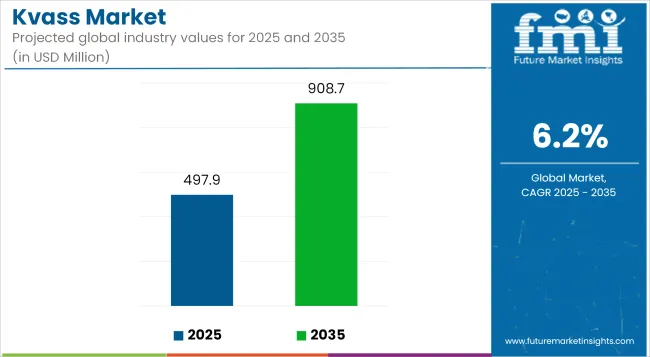
According to Future Market Insights, the global kvass market is set to surge from USD 2.48 billion in 2023 to an estimated USD 6.2 billion by 2033, growing at an impressive CAGR of 10.2%. This figure dwarfs the growth rate of many legacy beverage categories, indicating a broader shift in consumer demand—from carbonated soft drinks and sugar-heavy juices to fermented, functional alternatives.
Explore Emerging Market Insights: Request a Sample Report Now: https://www.futuremarketinsights.com/reports/sample/rep-gb-9900
A Legacy Ferment Finds New Life
Kvass is more than a drink; it’s a cultural artifact. Its deep, malty profile—often infused with subtle tang from lactic fermentation—offers a distinctly different experience from today’s often-over-sweetened wellness drinks. Importantly, it contains negligible alcohol (typically under 1.0%), making it accessible to all ages and dietary preferences.
But kvass’s appeal goes beyond flavor. It taps into a deeper trend: the return of ancestral foods and old-world preparation methods. As consumers grow wary of overly processed options, the simplicity and history behind kvass are becoming its strongest assets.
Why Now?
Three trends intersect to create the perfect moment for kvass:
- Fermentation is mainstream. What was once niche is now normalized, thanks to kombucha, sourdough, and kimchi. Kvass rides that same cultural wave with authenticity and centuries of tradition.
- Functional over fashionable. Kvass offers gut-friendly properties without the processed additives or excessive sugars that plague many health drinks.
- Fatigue with the familiar. Kombucha’s once-novel tang has become predictable. Kvass offers a refreshing alternative—less acidic, more robust, and rooted in a different culinary history.
High Demand for Market Insights: Discover Comprehensive Trends in Our Full Report: https://www.futuremarketinsights.com/reports/kvass-market
A Western Hurdle
Despite promising global growth, kvass faces an uphill battle in the U.S. where awareness remains low and misconceptions abound. Often mistaken for beer due to its look and taste, kvass needs more than just health claims—it needs rebranding.
Western consumers want to feel informed and inspired by their beverage choices. For kvass to compete, it must strike a balance between heritage storytelling and modern relevance: clean labels, premium packaging, and transparency about fermentation.
Market Momentum
The market potential is real. As Future Market Insights reports, kvass is on track to outpace many conventional beverage categories over the next decade. Compared to the 4.8% CAGR of the global canned tuna market, kvass’s 10.2% annual growth signals strong upside—especially as beverage aisles expand to include more global and functional options.
Innovative startups and small-batch producers have already begun experimenting with flavor profiles—infusing kvass with beet, mint, and berry variations—to appeal to younger demographics and palate diversity.
A Global Drink With Local Potential
Kvass’s path to mainstream status won’t be without challenges. It will require education, smart distribution, and cultural reframing. But if the last decade has taught the industry anything, it’s that beverages with a story, a purpose, and a strong tradition can break through—even in saturated markets.
The next time you see a glass bottle filled with a deep, murky amber liquid, don’t be surprised if it’s kvass—history’s quiet drink now making global noise.
Leading Manufacturers
- Ochakovo
- Nikola
- Baltika Breweries
- Krasny Vostok
- Radamir
- Organic Fermented Foods
- Fermentools
- Kvass Kefir
- Biokvass
- Fermented Fizz

Key Segments of the Report
By Nature:
By Nature, industry has been categorised into Organic and Conventional.
By Flavour:
Key flavours like Apple, Beets, Bird cherry, Lemon, Cherry, Cranberry, Mint and Strawberry are included in the report.
By Sales Channel:
Sales channels like B2B and B2C are included in the report.
By Region:
Industry analysis has been carried out in key countries of North America, Latin America, Europe, Middle East and Africa, East Asia, South Asia, and Oceania