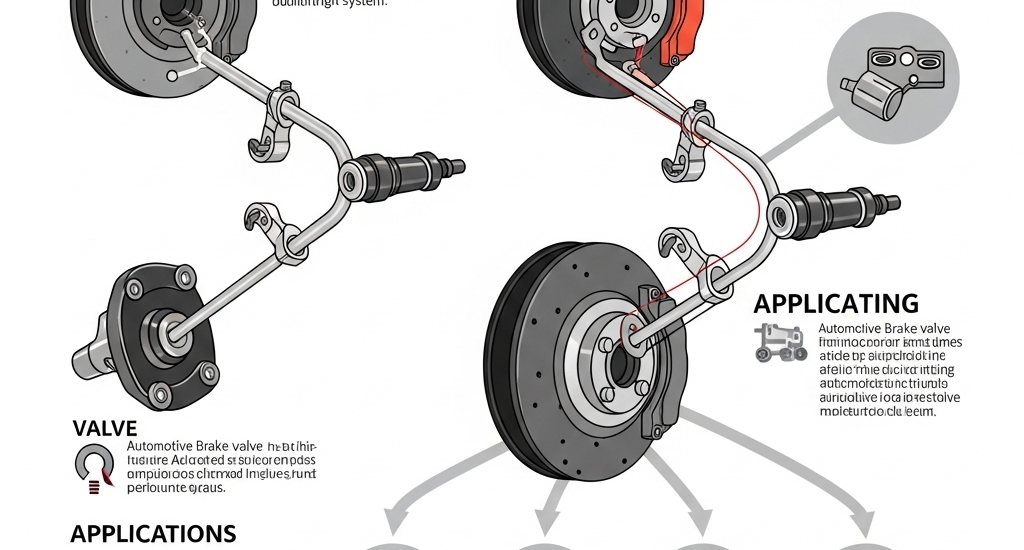
Automotive brake valve market is set to grow at a steady rate between 2025 to 2035 period due to rising production of the vehicles, growing penetration of advanced braking systems, and increase in safety compliance rules across the globe. The market is expected to reach USD 25,512.7 million by 2035 at a CAGR of 5.9% during the review period, an increase from USD 14,381.2 million in 2025.
In the world of automotive engineering, safety is paramount—and at the heart of every secure stop lies a component often overlooked but absolutely critical: the brake valve. As vehicles become faster, heavier, and more complex, brake valve technology has quietly advanced to meet the growing demands of performance, control, and regulatory compliance.
From passenger cars and heavy trucks to electric vehicles and autonomous platforms, automotive brake valves are evolving from simple mechanical devices into intelligent, integrated systems that deliver split-second precision in every braking scenario.
Request Your Sample and Stay Ahead with Our Insightful Report!
https://www.futuremarketinsights.com/reports/sample/rep-gb-3436
More Than a Valve: The Command Center of Braking Systems
Brake valves act as the primary control unit for modulating air or hydraulic pressure to the braking system. By managing the distribution and intensity of brake force between wheels or axles, they ensure balanced deceleration, prevent wheel lock, and maintain vehicle stability—even under sudden stops or uneven loads.
Modern vehicles require finely tuned braking responses across different terrains, speeds, and weight conditions. Brake valves play a crucial role in this adaptive performance, communicating with other systems to modulate pressure and enhance responsiveness.
From Mechanical to Electronic: A Shift in Control
The shift from traditional mechanical brake valves to electronically controlled variants is transforming how braking systems operate. Electronic Brake Valves (EBVs) are integrated with advanced sensors, microcontrollers, and vehicle networks to enable more precise control and diagnostics.
These valves can interact with systems such as Anti-lock Braking Systems (ABS), Electronic Stability Control (ESC), and Autonomous Emergency Braking (AEB)—ensuring that the braking process is not only fast, but intelligent. In commercial and fleet vehicles, this translates to improved safety, reduced stopping distances, and better compliance with global safety standards.
Supporting Diverse Vehicle Architectures
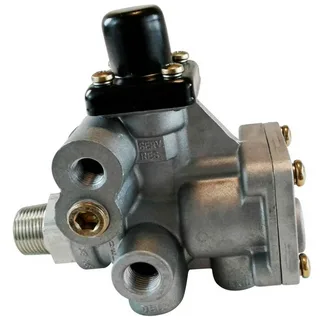
The automotive brake valve market caters to a wide spectrum of vehicles, each with unique requirements. Heavy-duty trucks and trailers rely on robust air brake valves for reliable stopping power under high loads. Light vehicles, on the other hand, typically utilize hydraulic brake valves for compact and responsive operation.
With the rise of electric and hybrid vehicles, brake valve systems are also being adapted to work seamlessly with regenerative braking setups. This dual-system approach requires valves that can intelligently balance mechanical and electrical braking inputs, optimizing energy recovery while maintaining smooth, safe deceleration.
Smart Features for Predictive Maintenance and Safety
Next-generation brake valves are not just functional—they’re smart. Equipped with sensors that monitor pressure, wear, and performance, these valves provide real-time data to the vehicle’s onboard diagnostics systems. This enables predictive maintenance, alerting drivers or fleet managers before failures occur.
In commercial fleets, such capabilities reduce downtime, extend component life, and improve road safety. By feeding data into cloud-based fleet management platforms, brake valve health can now be monitored remotely—marking a new era of proactive vehicle upkeep.
Challenges in Standardization and System Integration
Despite these innovations, the industry faces challenges in standardizing brake valve technologies across diverse vehicle types and geographies. Ensuring compatibility with various braking architectures, regulatory environments, and digital vehicle ecosystems is complex.
Additionally, integrating electronic valves into legacy systems or retrofitting them for older vehicles requires careful calibration and system reengineering. Maintaining reliability under extreme conditions such as freezing temperatures, high humidity, or constant vibration is another critical hurdle for designers and manufacturers.
Comprehensive Industry Report: A Full Market Analysis
https://www.futuremarketinsights.com/reports/automotive-brake-valves-market
Braking for the Future: Safety Meets Intelligence
As vehicles become more autonomous and connected, brake valve technology must continue to evolve. Innovations such as fail-safe designs, redundancy protocols, and real-time connectivity are becoming essential to meet the safety requirements of driverless and semi-autonomous platforms.
In the future, brake valves may communicate directly with infrastructure, other vehicles, and cloud systems to preemptively prepare for braking events—ushering in a new era of predictive and cooperative vehicle safety.
Precision in Every Stop
The automotive brake valve may not be the most visible component, but its role in every safe, smooth stop is undeniable. As mobility shifts toward electrification, automation, and digital integration, the importance of intelligent, responsive brake valve systems will only grow.
By merging mechanical reliability with electronic intelligence, automotive brake valves are anchoring a new generation of vehicles—where safety, control, and performance are engineered into every brake press.