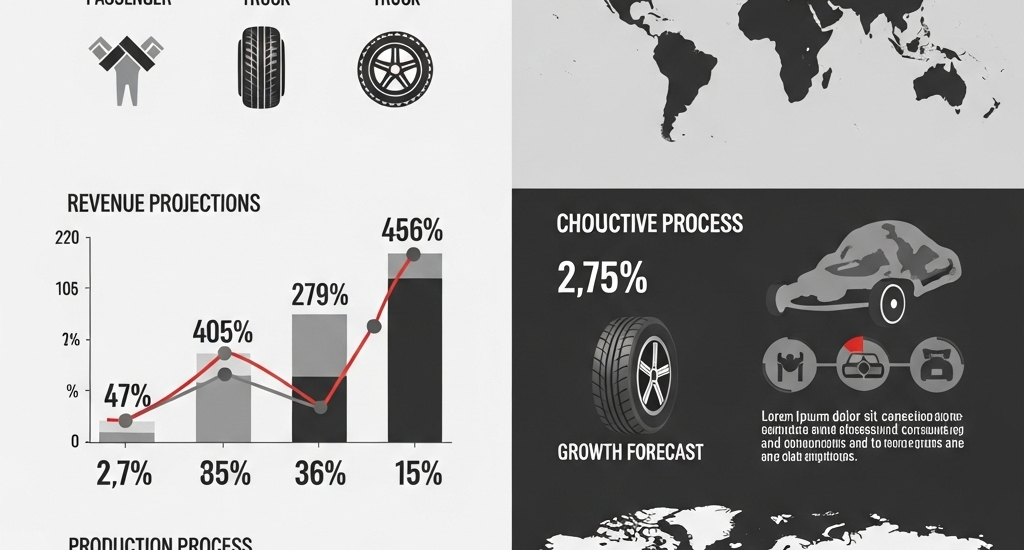
The automotive tire market is estimated to generate a market size of USD 256.1 billion in 2025 and is expected to reach USD 471.7 billion by 2035, reflecting a compound annual growth rate (CAGR) of 6.3% during the forecast period. Tires are essential components in the automotive industry, directly influencing vehicle performance, safety, and fuel efficiency. With the rising number of vehicles globally, increasing vehicle production, and growing demand for enhanced driving experiences, the market for automotive tires is experiencing significant growth.
In an era where performance, safety, and sustainability define the road ahead, automotive tires are no longer just rubber rings—they are becoming smart, adaptive components at the core of modern mobility. From daily commutes to high-performance racing and autonomous driving, the tire industry is undergoing a silent but powerful transformation.
The modern automotive tire blends cutting-edge materials, intelligent sensors, and advanced engineering to meet the evolving demands of drivers, vehicles, and global regulations. As vehicles become more connected and electrified, tires are adapting to play a more dynamic role than ever before.
Request Your Sample and Stay Ahead with Our Insightful Report!
https://www.futuremarketinsights.com/reports/sample/rep-gb-2686
More Than Traction: Tires as Intelligent Mobility Enablers
Today’s tires are engineered not just for grip and durability but for intelligence. Equipped with embedded sensors, smart tires can monitor pressure, temperature, tread depth, and road conditions in real time. This data is communicated directly to onboard systems or driver apps, helping ensure optimal performance, fuel efficiency, and safety.
Whether adjusting to wet roads or sending alerts for worn treads, these next-gen tires are actively contributing to vehicle safety and predictive maintenance—transforming how drivers interact with one of their car’s most critical components.
Material Innovations Fueling Performance and Sustainability
One of the most significant shifts in the tire market is the push for eco-friendly and high-performance materials. Manufacturers are integrating synthetic compounds, recycled rubber, and bio-based materials to strike a balance between longevity, grip, and environmental responsibility.
These innovations are crucial in meeting global emissions and waste reduction targets. Lighter, low-resistance tires help improve fuel economy and extend EV battery range, while sustainable sourcing and recycling initiatives address the lifecycle impact of tire production.
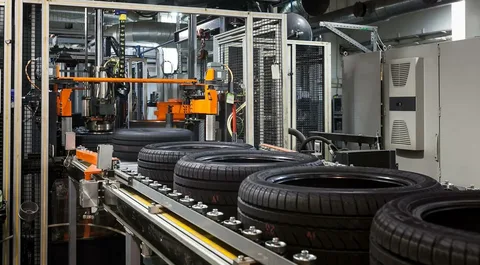
Tailored for the Terrain: Segmenting by Use and Functionality
The tire market has expanded into a diverse range of applications and user needs. From urban compact vehicles and commercial trucks to high-speed sports cars and rugged off-roaders, tires are being custom-built for purpose-driven performance.
All-season, performance, winter, and all-terrain tires now feature specialized tread designs and rubber formulations, offering optimized handling, braking, and comfort across various driving environments. The growing popularity of electric vehicles and SUVs has also triggered demand for tires that can handle added weight, torque, and regenerative braking.
Digital Integration and Smart Fleet Management
For commercial fleets and logistics providers, tire performance is directly tied to operational efficiency and cost control. Smart tire technologies are increasingly being integrated with telematics and fleet management platforms to enable predictive maintenance and route optimization.
Automated alerts for underinflation, misalignment, or abnormal wear help reduce downtime and extend tire lifespan, ultimately improving safety and reducing total cost of ownership.
Challenges in Cost, Durability, and Standardization
Despite notable advancements, the automotive tire market still grapples with challenges. The cost of high-tech tires can be a barrier for some consumers, especially when paired with complex sensor integration or specialty designs. Additionally, extreme driving conditions—whether heat, cold, or uneven roads—can affect durability and performance.
Standardization also remains a hurdle. As connected and smart tire technologies proliferate, ensuring compatibility across vehicle systems, aftermarket services, and regulatory frameworks is essential for widespread adoption.
Comprehensive Industry Report: A Full Market Analysis
https://www.futuremarketinsights.com/reports/automotive-tires-market
Accelerating Toward a Safer, Smarter Future
With automotive safety regulations tightening and consumer expectations rising, the role of the tire is expanding. New developments in noise-reduction technology, puncture resistance, self-sealing compounds, and airless tire designs are setting the stage for a more resilient and future-proof tire landscape.
Autonomous and electric vehicles, in particular, demand a new generation of tires—ones that offer ultra-low rolling resistance, advanced sensor feedback, and long-term reliability without compromising performance or passenger comfort.
Where the Rubber Meets the Future
As mobility ecosystems evolve, so too must the components that make movement possible. Automotive tires, long considered a passive element of the vehicle, are becoming active, intelligent, and environmentally conscious contributors to modern transportation.
With every rotation, today’s tires are shaping not just how vehicles drive—but how people live, commute, and connect. From smart mobility to sustainable engineering, the tire market is rolling forward—faster, smarter, and greener than ever before.