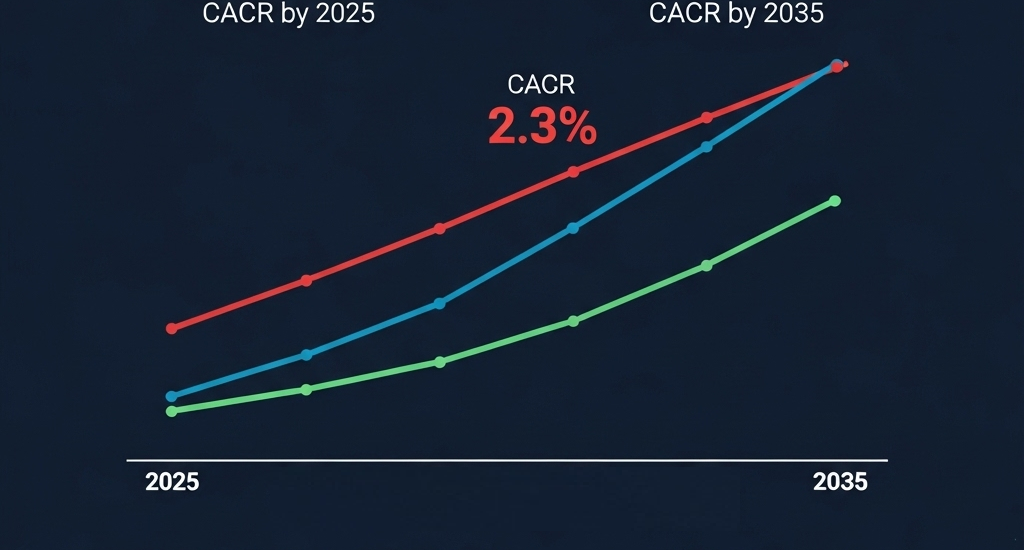
The pulmonary arterial hypertension market is expected to reach USD 2,080.7 million by 2025 and is expected to steadily grow at a CAGR of 2.3% to reach USD 2,612.0 million by 2035.
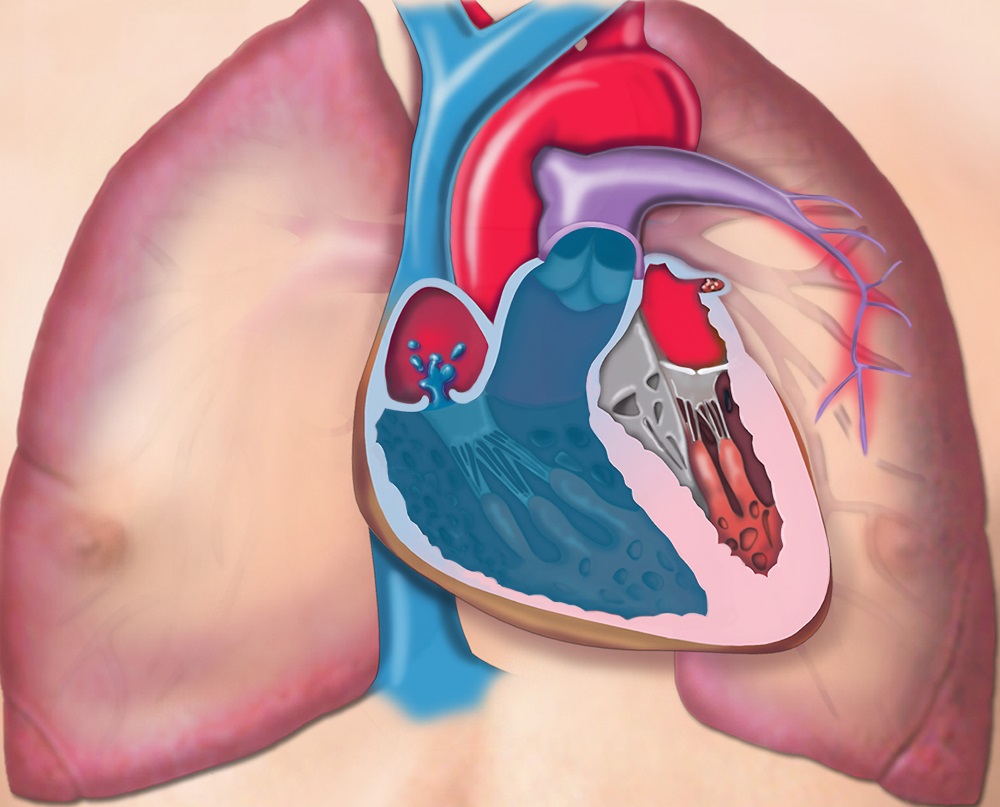
The pulmonary arterial hypertension treatment market is growing steadily due to rising awareness and advancements in medical therapies. Pulmonary arterial hypertension (PAH) is a progressive condition characterized by high blood pressure in the arteries of the lungs, leading to right heart failure if untreated. As the prevalence of PAH increases globally, there is a corresponding demand for innovative and effective treatments.
Key drivers influencing the pulmonary arterial hypertension treatment market include the growing elderly population, increased diagnostics, and pharmaceutical research. The introduction of novel drugs and combination therapies is also reshaping the treatment landscape.
Get Sample Report: – https://www.futuremarketinsights.com/reports/sample/rep-gb-1218
Market Trends
- Rising preference for combination therapies: Many physicians now prescribe dual or triple therapy regimes, leading to improved patient outcomes and higher treatment adherence.
- Oral drug dominance: Oral therapies are witnessing greater adoption due to ease of administration and fewer hospital visits.
- Growing R&D investments: Pharmaceutical companies are investing significantly in research to develop more effective and targeted drugs with fewer side effects.
- Biologics and gene therapy: Emerging treatments like biologics and gene therapy are being explored, which may revolutionize the pulmonary arterial hypertension treatment market in the near future.
- Patient-centric care models: Healthcare providers are shifting toward more personalized treatment plans, considering genetic and biomarker profiling.
Challenges and Opportunities
Despite its growth, the pulmonary arterial hypertension treatment market faces several challenges:
- High treatment costs: Advanced therapies can be expensive, limiting access in low- and middle-income regions.
- Delayed diagnosis: Symptoms often mimic other respiratory conditions, leading to late-stage diagnosis and poorer prognosis.
- Limited curative options: While treatments exist to manage symptoms and slow progression, a complete cure remains elusive.
However, these challenges also open up opportunities:
- Expanding access through generics: As patents expire, generic drugs will become more accessible, expanding treatment options.
- Telemedicine integration: Telehealth services can improve monitoring and compliance in patients with chronic conditions like PAH.
- Government support: Health policies and funding for rare disease research provide an optimistic outlook for the pulmonary arterial hypertension treatment market.
Key Points:
- The pulmonary arterial hypertension treatment market is projected to grow at a consistent CAGR over the next decade.
- Increased awareness campaigns and screening initiatives have improved early diagnosis rates.
- Innovative treatment delivery systems, such as subcutaneous and inhaled therapies, are gaining popularity.
- Regulatory approvals of newer drugs in North America and Europe have expanded available treatment options.
- Partnerships and collaborations between biotech firms and academic institutions are accelerating research.
Key Regional Insights
- North America: The region holds the largest share of the pulmonary arterial hypertension treatment market due to robust healthcare infrastructure, supportive reimbursement policies, and high awareness levels.
- Europe: Countries like Germany, France, and the UK are experiencing a surge in PAH cases, promoting extensive drug research and development.
- Asia-Pacific: Rapid urbanization, rising pollution levels, and increasing healthcare investments are driving growth in countries such as China and India.
- Latin America and Middle East & Africa: Though smaller in market size, these regions are expected to grow steadily with improved healthcare access and policy reforms.
Top Companies
The pulmonary arterial hypertension treatment market is dominated by several key players, each contributing to innovation and market expansion:
- United Therapeutics Corporation – Known for its portfolio of prostacyclin analogs and long-standing leadership in PAH.
- Johnson & Johnson (Janssen Pharmaceuticals) – Offers oral therapies that have revolutionized PAH management.
- Gilead Sciences, Inc. – Pioneered treatments focusing on endothelin receptor antagonists.
- Bayer AG – Continues to invest in new therapies and expand access through partnerships.
- Acceleron Pharma (a part of Merck) – Focuses on developing treatments that target the underlying biology of PAH.
- Novartis AG – Increasing involvement through acquisitions and pipeline development in the PAH space.
Explore In-Depth Analysis-Click Here to Access the Report:- https://www.futuremarketinsights.com/reports/pulmonary-arterial-hypertension-treatment-market
Segmentation Outlook
The pulmonary arterial hypertension treatment market can be segmented across several key criteria:
- By Drug Class:
- Endothelin Receptor Antagonists (ERAs)
- Phosphodiesterase-5 Inhibitors (PDE5is)
- Prostacyclin Analogs
- Soluble Guanylate Cyclase Stimulators (sGCs)
- By Route of Administration:
- Oral
- Inhaled
- Intravenous/Subcutaneous
- By Distribution Channel:
- Hospital Pharmacies
- Retail Pharmacies
- Online Pharmacies
- By End-User:
- Hospitals
- Specialty Clinics
- Homecare Settings