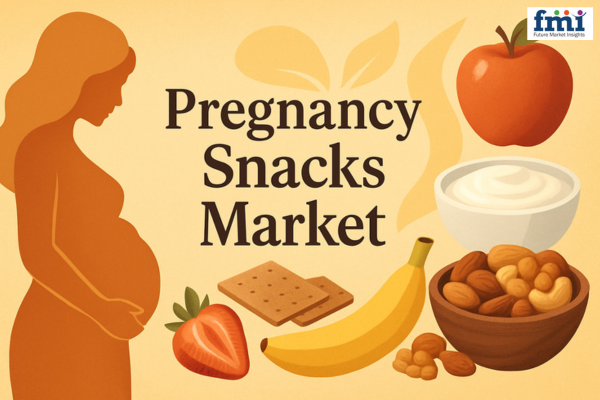
The global pregnancy snacks market is poised to grow significantly, with a projected valuation of USD 2,427.6 million by 2035, rising from an estimated USD 1,306.8 million in 2025. This growth reflects a steady CAGR of 6.4% from 2025 to 2035. As nutritional awareness among pregnant women surges, the demand for targeted, health-enhancing snacks continues to rise. Consumers are seeking convenient options that deliver key nutrients such as folic acid, iron, fiber, and omega-3s without compromising on taste or quality.
Pregnancy snacks are no longer a niche category. The market has evolved from generic health foods to curated, functional snack options tailored for the prenatal stage. Brands are innovating with clean-label, organic, and fortified snacks, catering to a more discerning audience that prioritizes both maternal and fetal well-being. From fortified granola bars to plant-based trail mixes, the product landscape is expanding to serve a global population seeking accessible nutrition during pregnancy.
Uncover Essential Data – Get a Sample Copy Instantly: https://www.futuremarketinsights.com/reports/sample/rep-gb-19781
𝐊𝐞𝐲 𝐓𝐚𝐤𝐞𝐚𝐰𝐚𝐲𝐬:
- Market Size in 2025: USD 1,306.8 million
- Projected Market Size by 2035: USD 2,427.6 million
- CAGR (2025–2035): 6.4%
- Strongest Growth Region: India (7.3% CAGR)
- Key Trend: Clean-label and functional snack development for prenatal nutrition
Trimester-Specific Snack Needs Driving Innovation
Pregnancy isn’t a one-size-fits-all experience—each trimester brings unique nutritional needs. Brands are responding with trimester-specific snack products that deliver targeted benefits, such as protein-enriched pregnancy snacks in the first trimester to support fetal development, and prebiotic snacks for pregnant women in the third trimester to aid digestion. These innovations are aligning with demand for functional foods for expecting mothers, particularly those who are seeking convenience without compromising on quality or nutrition.
Organic and Clean-Label Snacks Dominate Consumer Preference
One of the most notable trends in the pregnancy snack space is the sharp shift toward clean label prenatal nutrition. Expecting mothers are now scrutinizing labels for added sugars, preservatives, and allergens. This has led to a surge in demand for gluten-free snacks for expecting moms, vegan-friendly pregnancy snacks, and low-sugar snacks for pregnant women. Consumers are actively choosing plant-based pregnancy snack innovations that are both ethical and health-focused, further accelerating market growth.
Functional Nutrition Goes Mainstream in Maternity Diets
Today’s pregnant women are not just snacking to curb cravings—they are snacking with a purpose. This has led to the rise of functional snack options for expecting mothers fortified with essential nutrients like iron, folic acid, omega-3 fatty acids, and calcium. Fortified food for pregnancy is now a top-selling category, with prenatal nutrition solutions expanding into bars, bites, beverages, and even gummies. The rise of snack innovations in maternity health also includes products designed to support immunity, reduce morning sickness, and promote better sleep.
𝐑𝐞𝐠𝐢𝐨𝐧-𝐰𝐢𝐬𝐞 𝐈𝐧𝐬𝐢𝐠𝐡𝐭𝐬:
- United States (CAGR 6.2%): High awareness of prenatal nutrition, with increased demand for fortified, ready-to-eat options.
- Germany (CAGR 6.0%): Clean-label and allergen-free formulations are driving market traction.
- China (CAGR 6.7%): Urban mothers favor functional snacks with traditional medicinal ingredients.
- Japan (CAGR 6.1%): Demand centers on convenience, low-sugar snacks with balanced nutrients.
- India (CAGR 7.3%): Rapid urbanization and rising middle-class incomes are boosting demand for prenatal nutrition products.
The Complete Picture Awaits – Download the Full Report: https://www.futuremarketinsights.com/reports/pregnancy-snacks-market
𝐂𝐨𝐦𝐩𝐞𝐭𝐢𝐭𝐢𝐨𝐧 𝐎𝐮𝐭𝐥𝐨𝐨𝐤:
The global landscape is moderately fragmented, with emerging startups challenging established health food brands. Players are differentiating through niche targeting, product innovation, and medical endorsements. While large companies focus on scaling operations and expanding retail reach, smaller brands are leveraging e-commerce and influencer partnerships to establish direct relationships with consumers. Innovation in packaging, sustainable sourcing, and certifications like USDA Organic and Non-GMO are further shaping competitive strategies.
Leading Brands
- Tend Prenatal
- Mama Bar
- Milk Lactation Products
- Aloha
- LittleVeda
- Early Foods
- Munchkin
- Eat Better
- Equisential
- MO’s Bakery
- Healthy Treat
- Others