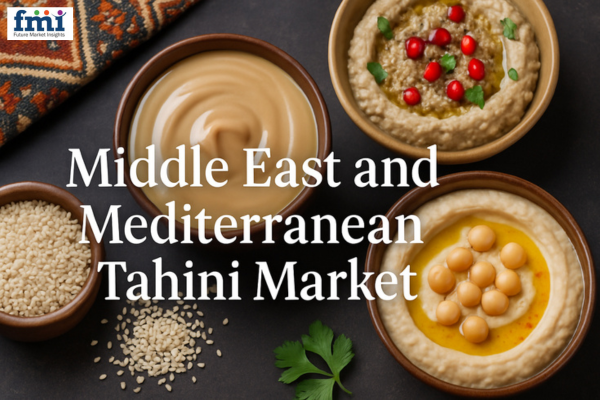
The Middle East and Mediterranean tahini market is set for a robust expansion, with demand projected to reach USD 1.08 billion by 2025, and forecasted to grow at a CAGR of 9.3%, ultimately valuing the market at USD 2.63 billion by 2035. This surge is fueled by the region’s deep-rooted culinary traditions and an increasing appetite for plant-based, nutrient-rich food products that are both versatile and culturally relevant.
The growing popularity of tahini—a paste made from ground sesame seeds—is reshaping food consumption patterns in the region. Traditionally used in staples like hummus, baba ghanoush, and halva, tahini is now finding new life in modern applications, including sauces, dips, health snacks, and vegan alternatives. As regional and global consumers embrace health-conscious eating, tahini’s role as a protein-rich, plant-based superfood is cementing its place in everyday diets.
Stay Informed – Request a Sample Copy for Exclusive Insights: https://www.futuremarketinsights.com/reports/sample/rep-ma-560
Key Middle East and Mediterranean Tahini Market Trends Highlighted:
- Premiumization of Traditional Foods: Consumers are increasingly drawn to premium, organic, and cold-pressed tahini options, highlighting a shift toward quality-conscious purchasing.
- Culinary Fusion: Fusion cuisines and gourmet restaurants are innovating with tahini-based recipes, integrating it into global flavors beyond traditional dishes.
- Health and Wellness Boom: Rich in healthy fats, antioxidants, and plant-based protein, tahini’s nutritional appeal is driving increased consumption, especially among millennials and urban dwellers.
- Rise of Clean Label and Vegan Products: With a surge in veganism and flexitarian diets, demand for clean-label tahini with minimal ingredients and no additives is surging.
- E-commerce and Export Acceleration: Online platforms and international retail partnerships are allowing tahini producers in the Middle East and Mediterranean to expand beyond local markets.
Middle East and Mediterranean Tahini Industry Developments:
Several players in the tahini market are ramping up investments in automation, packaging innovations, and product diversification to cater to changing consumer behavior. Regional producers are also exploring international markets, launching flavored tahini varieties—such as garlic-infused or chili-based options—to appeal to global palates. In addition, partnerships with organic and specialty food stores across Europe and North America are helping Middle Eastern tahini brands expand their global footprint.
In countries like Lebanon, Israel, Turkey, and Jordan, small-scale traditional tahini mills are now adapting modern processing techniques to increase volume while preserving artisanal quality. Local governments are also supporting sesame cultivation projects to ensure raw material sustainability and reduce dependence on imports.
Key Takeaways of Report:
- The tahini market in the Middle East and Mediterranean is projected to grow from USD 1.08 billion in 2025 to USD 2.63 billion by 2035, at a 9.3% CAGR.
- Cultural significance, plant-based appeal, and versatility in cooking are core factors driving the growth.
- Premiumization, clean-label demand, and international expansion are reshaping industry strategies.
- Online retail and health-conscious branding are unlocking new consumer segments and markets.
Middle East and Mediterranean Tahini Market Drivers:
- Cultural Consumption Patterns: Tahini is deeply embedded in local cuisines, consumed daily in savory and sweet dishes. Its familiarity ensures consistent baseline demand.
- Health and Nutrition Trends: Tahini’s high calcium, iron, and omega-3 content make it an appealing choice for consumers seeking nutrient-dense alternatives to dairy and nut-based products.
- Plant-Based and Vegan Boom: With growing interest in plant-based lifestyles, tahini is emerging as a vegan-friendly staple with multifunctional uses.
- Rising Urbanization and Gourmet Culture: Urban consumers are embracing traditional products in modern culinary contexts, fueling new demand for tahini in sauces, marinades, and desserts.
- Export Opportunities and Tourism Influence: Increasing tourism and regional culinary exports are boosting awareness and demand for authentic Middle Eastern tahini globally.
Your Competitive Advantage Starts Here – Access Full Report: https://www.futuremarketinsights.com/reports/tahini-market
Competition Outlook:
The competitive landscape of the Middle East and Mediterranean tahini market is characterized by a mix of traditional family-owned producers, modern processing companies, and international health-food brands entering the space. Leading regional firms are focusing on vertical integration—from sesame farming to packaging—and investing in sustainable sourcing.
Leading Manufacturers
- El Rashidi El Mizan
- Halwani Bros. Co.
- Al-Wadi Al-Akhdar S.A.L
- Prince Tahina Ltd.
- Haitoglou Bros S.A.