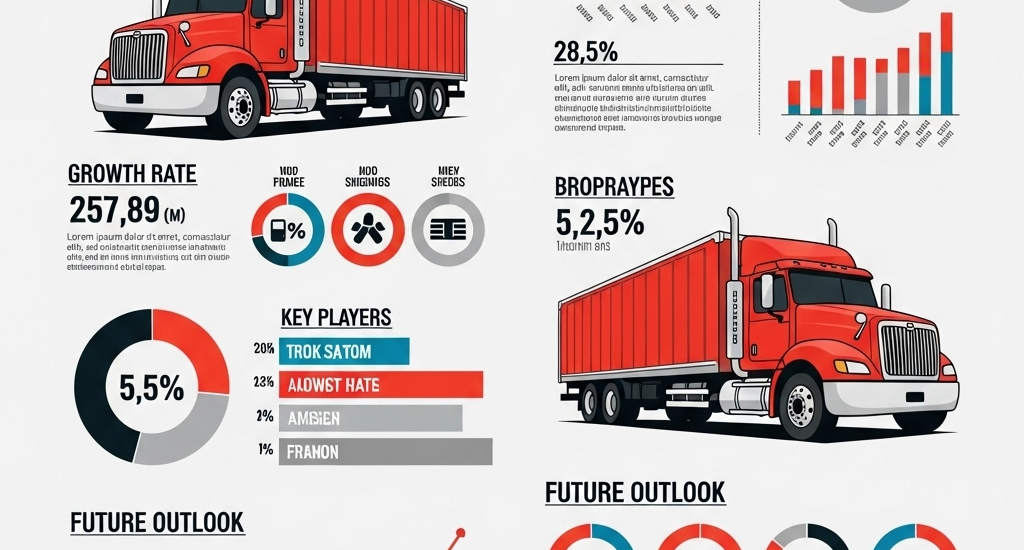
The global Class 6 trucks market is projected to grow from USD 48.28 billion in 2025 to USD 81.3 billion by 2035, registering a CAGR of 5.3% during the forecast period. This growth is being driven by the increasing demand for medium-duty trucks across sectors such as logistics, construction, and distribution. Class 6 trucks are preferred for their ability to carry heavier payloads, making them ideal for urban deliveries and construction applications that require durability, efficiency, and cost-effectiveness.
As industries modernize and urban logistics grow more complex, the spotlight in the commercial vehicle world is turning toward a category that bridges versatility with strength—Class 6 trucks. Nestled between light-duty haulers and heavyweight Class 7-8 behemoths, these medium-duty vehicles are proving indispensable across a wide range of applications, from last-mile delivery to construction and utility services.
With the rise of e-commerce, smart logistics, and sustainability mandates, the Class 6 truck is no longer just a workhorse—it’s becoming a crucial player in reshaping the future of transportation.
Get Ahead with Our Report: Request Your Sample Now!
https://www.futuremarketinsights.com/reports/sample/rep-gb-22333
More Than Just Muscle: The Backbone of Urban and Regional Hauling
Class 6 trucks strike a unique balance between payload capacity and urban agility. Whether delivering goods across metro areas or operating as box trucks, dump trucks, or utility vehicles, these trucks are tailored for routes that demand power without the bulk of heavy-duty rigs.
Modern Class 6 trucks are engineered to offer enhanced maneuverability, improved driver comfort, and better fuel efficiency—making them ideal for businesses looking to optimize delivery times while minimizing operational costs. From refrigerated transport to waste collection, their applications are as diverse as the cities they navigate.
Smart, Connected, and Compliant
Today’s Class 6 trucks are more than simple machines—they’re intelligent mobility platforms. Equipped with telematics, GPS-based fleet tracking, and predictive maintenance software, these vehicles provide operators with real-time visibility into performance, location, and diagnostics.
Compliance with emissions and safety standards is also driving innovation. With cleaner diesel engines, electric powertrains, and hybrid options gaining traction, manufacturers are aligning with both regulatory trends and corporate sustainability goals. At the same time, safety systems such as lane-keeping assistance, adaptive cruise control, and collision mitigation are becoming more prevalent—even in work-focused platforms.
Quietly Transitioning to Electrification
Electrification is no longer confined to light passenger vehicles—Class 6 trucks are now at the center of medium-duty electrification efforts. Electric models promise zero tailpipe emissions, reduced maintenance, and quieter operation—ideal for city use and sensitive environments like campuses or residential zones.
Charging infrastructure, vehicle range, and total cost of ownership remain important considerations, but as battery technology improves and incentives rise, Class 6 electric trucks are becoming increasingly viable for fleet operators aiming to future-proof their operations.
Built to Adapt, Designed for Tomorrow
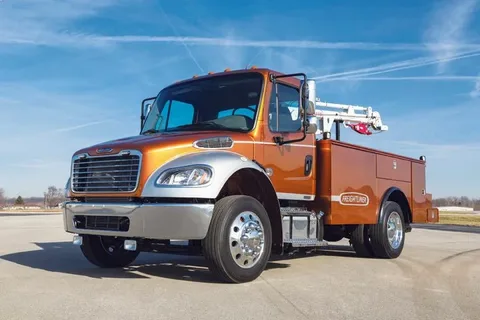
Flexibility is one of the Class 6 truck’s strongest attributes. Chassis customization, modular body designs, and compatibility with advanced control systems allow these trucks to evolve with the changing demands of industries. Whether outfitted with cranes, cargo boxes, or specialized equipment, they serve as adaptable platforms ready to take on new tasks.
As autonomous technologies mature, Class 6 platforms are also being eyed for automation pilots—especially in logistics hubs, depot-to-depot routes, and yard operations. Their predictable use patterns and centralized operations make them ideal candidates for early-stage deployment of self-driving technologies.
Thorough Market Evaluation: Full Report
https://www.futuremarketinsights.com/reports/class-6-trucks-market
Challenges in a Shifting Market
Despite their growing significance, Class 6 trucks face key challenges. Infrastructure for electric charging, training for technicians, and upfront costs for advanced systems can be barriers for small to mid-sized fleet operators. Moreover, meeting varied regulatory frameworks across regions adds complexity for OEMs and fleet managers alike.
Still, with strong support from public policy and growing pressure to decarbonize transportation, investment and innovation in the Class 6 segment continue to accelerate.
Medium-Duty, Maximum Impact
Class 6 trucks may not always grab headlines, but they form the core of countless daily operations that keep goods moving, cities running, and industries productive. As demands on transportation evolve, these vehicles are stepping up with smarter features, cleaner drivetrains, and greater adaptability.
In a future defined by sustainable logistics, connected ecosystems, and on-demand delivery, Class 6 trucks are proving that medium-duty can mean maximum potential—quietly hauling the future forward, one mile at a time.