For decades, phosphate conversion coatings have been synonymous with corrosion resistance in automotive and military applications. However, the traditional narrative is rapidly evolving. New technological frontiers are emerging where phosphate coating technologies are playing a pivotal role far beyond rust prevention. From 3D-printed components to electronic shielding and energy storage, the phosphate conversion coatings market is witnessing a paradigm shift. This article explores these underrepresented but high-potential applications, justifying the growing demand and innovation in this specialized surface treatment field.
Rethinking Phosphate Coatings: From Tradition to Innovation
Historically, phosphate coatings have been used primarily for improving paint adhesion and corrosion resistance on steel and aluminum surfaces. Zinc phosphate coatings, in particular, dominate the market due to their superior performance in automotive and industrial applications. However, with increasing demands for lightweight, durable, and multifunctional components in advanced sectors, the application of phosphate coating technologies is being reimagined.
𝐌𝐚𝐤𝐞 𝐈𝐧𝐟𝐨𝐫𝐦𝐞𝐝 𝐃𝐞𝐜𝐢𝐬𝐢𝐨𝐧𝐬 – 𝐀𝐜𝐜𝐞𝐬𝐬 𝐘𝐨𝐮𝐫 𝐒𝐚𝐦𝐩𝐥𝐞 𝐑𝐞𝐩𝐨𝐫𝐭 𝐈𝐧𝐬𝐭𝐚𝐧𝐭𝐥𝐲! https://www.futuremarketinsights.com/reports/sample/rep-gb-6690
Emerging trends in the metal surface treatment industry outlook highlight a growing preference for conversion coating processes that offer not just protection but also compatibility with smart manufacturing environments. As automation, precision manufacturing, and additive processes evolve, phosphate coatings are becoming integral to the future of materials engineering.
Additive Manufacturing Meets Phosphate Coatings
One of the most groundbreaking developments in recent years is the incorporation of phosphate coatings in additive manufacturing, particularly in metal 3D printing. As industries explore 3D-printed titanium and aluminum components, surface treatment becomes a critical issue. Unlike traditional machining, additively manufactured surfaces are often porous and chemically reactive, making them difficult to coat using conventional methods.
Researchers at the Fraunhofer Institute in Germany have conducted studies showing that phosphate conversion coatings can improve the surface uniformity and paint adhesion of 3D-printed aluminum alloys. This is particularly relevant in aerospace and medical devices where surface quality and bio-compatibility are crucial. The use of zinc phosphate coatings on these components has demonstrated significant reductions in micro-cracking during post-processing.
Such findings not only underscore the adaptability of phosphate pretreatment for manufacturing but also suggest new business opportunities for companies specializing in phosphate conversion coatings tailored for additive workflows.
Shielding Electronics: The Anti-EMI Role of Phosphate Layers
In the electronics industry, the growing complexity of devices, particularly those used in defense, medical imaging, and telecommunications, demands robust electromagnetic interference (EMI) shielding. Phosphate coatings are increasingly being recognized for their ability to act as a base layer for conductive finishes like nickel or copper, enhancing both adhesion and EMI protection.
𝐔𝐧𝐥𝐨𝐜𝐤 𝐂𝐨𝐦𝐩𝐫𝐞𝐡𝐞𝐧𝐬𝐢𝐯𝐞 𝐌𝐚𝐫𝐤𝐞𝐭 𝐈𝐧𝐬𝐢𝐠𝐡𝐭𝐬 – 𝐄𝐱𝐩𝐥𝐨𝐫𝐞 𝐭𝐡𝐞 𝐅𝐮𝐥𝐥 𝐑𝐞𝐩𝐨𝐫𝐭 𝐍𝐨𝐰: https://www.futuremarketinsights.com/reports/phosphate-conversion-coatings-market
A notable example is found in defense-grade communications equipment where metal enclosures are treated with phosphate layers before further coating with conductive materials. This approach not only ensures long-term environmental durability but also improves electrical continuity, which is essential for effective EMI shielding.
With the rise of 5G infrastructure and the miniaturization of devices, metal surface treatment trends are shifting toward multifunctional coatings. Phosphate layers now serve a dual purpose—protecting substrates while enabling better performance of advanced electronics.
Energy Storage & Surface Chemistry: A New Frontier
Another area gaining quiet but significant traction is the use of phosphate coatings in energy storage systems. Lithium-ion battery manufacturers are increasingly exploring phosphate pretreatments on steel and aluminum casings. The goal is to enhance thermal resistance, improve corrosion stability, and prevent leakage of electrolytes in harsh environments.
For instance, a recent study by South Korean battery materials researchers showed that applying manganese phosphate coatings to lithium battery casings improved thermal tolerance by up to 25% during simulated failure tests. The phosphate layer served as a thermal buffer, delaying the onset of catastrophic breakdown—a feature that could prove crucial in electric vehicle battery packs.
This niche application is still under research, but it signals a broader trend: surface chemistry is becoming a critical factor in the safety and efficiency of next-generation batteries. For suppliers in the phosphate coatings market, this presents a new avenue for value-added product development.
Market Outlook and Innovation Gaps
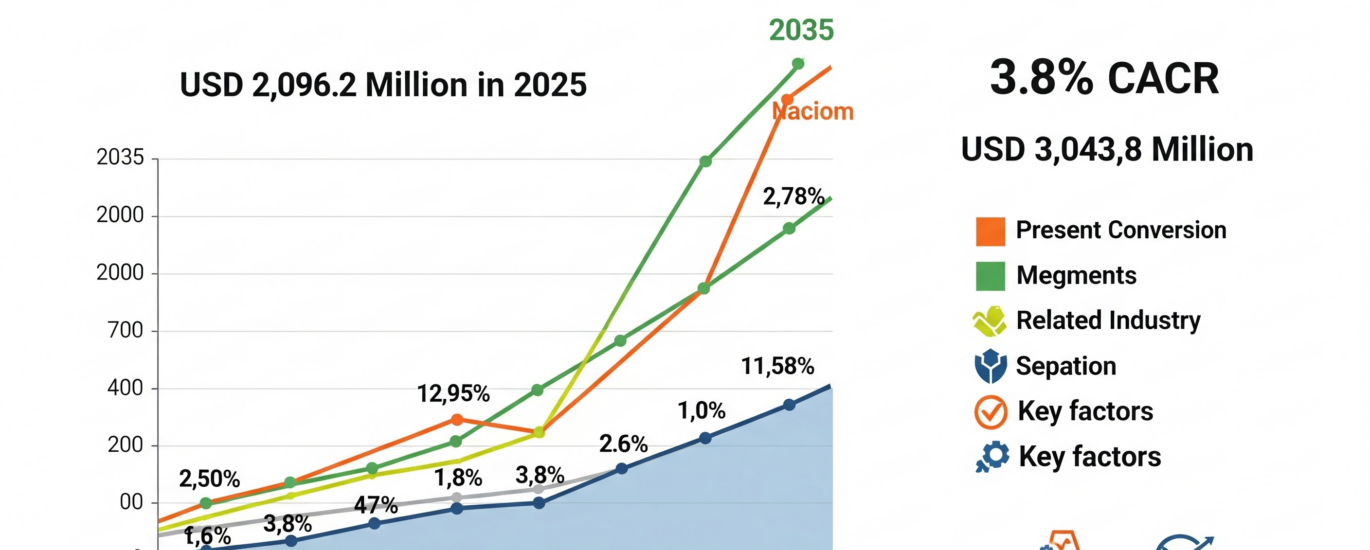
According to recent data from industry analysts, the phosphate conversion coatings market is projected to grow at a CAGR of over 3.8% between 2025 and 2035. While automotive and industrial machinery still account for the bulk of the demand, the market is seeing incremental growth from niche sectors such as electronics, aerospace, and energy storage.
Coatings, Inks, Adhesives & Sealants: https://www.futuremarketinsights.com/industry-analysis/coatings-inks-adhesives-and-sealants
Despite this promise, there are noticeable innovation gaps. For example, the lack of standardized phosphate coating formulations for 3D-printed materials or battery casings hampers broader commercial adoption. Moreover, environmental concerns around phosphating wastewater management continue to challenge scalability in certain regions.
Nevertheless, the convergence of metal surface treatment trends, green manufacturing goals, and miniaturized electronics creates fertile ground for innovation. Manufacturers that can develop phosphate coating applications customized for non-traditional uses will be well-positioned to lead in a market seeking both performance and sustainability.