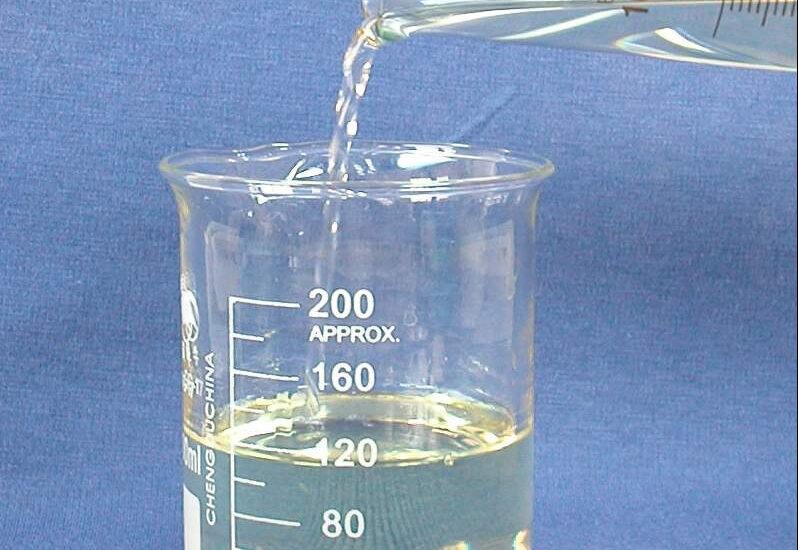
While the Cyclohexylbenzene market is traditionally linked to its use as a high-boiling solvent, intermediate for organic synthesis, and in fine chemical production, a lesser-known but rapidly evolving application is emerging—its potential role in advanced battery electrolyte formulations. In a global landscape where energy storage innovation is critical to powering electric vehicles, renewable integration, and portable electronics, Cyclohexylbenzene (C6H11C6H5), also known by its IUPAC name benzene, cyclohexyl-, is gradually gaining attention as a performance-enhancing additive in lithium-ion battery systems.
𝐈𝐧𝐭𝐫𝐨𝐝𝐮𝐜𝐭𝐢𝐨𝐧 𝐭𝐨 𝐂𝐲𝐜𝐥𝐨𝐡𝐞𝐱𝐲𝐥𝐛𝐞𝐧𝐳𝐞𝐧𝐞 𝐚𝐧𝐝 𝐌𝐚𝐫𝐤𝐞𝐭 𝐁𝐚𝐜𝐤𝐠𝐫𝐨𝐮𝐧𝐝
Cyclohexylbenzene is an aromatic hydrocarbon composed of a benzene ring attached to a cyclohexyl group. It is valued for its stability, low reactivity, and solvency characteristics, making it a viable candidate in the synthesis of dyes, resins, and polymer modifiers. Market reports typically segment demand into pharmaceutical intermediates, lab reagents, and specialty solvents. However, these conventional reports often overlook a critical development: the suitability of Cyclohexylbenzene in high-energy, thermally stable battery applications.
𝐌𝐚𝐤𝐞 𝐈𝐧𝐟𝐨𝐫𝐦𝐞𝐝 𝐃𝐞𝐜𝐢𝐬𝐢𝐨𝐧𝐬 – 𝐀𝐜𝐜𝐞𝐬𝐬 𝐘𝐨𝐮𝐫 𝐒𝐚𝐦𝐩𝐥𝐞 𝐑𝐞𝐩𝐨𝐫𝐭 𝐈𝐧𝐬𝐭𝐚𝐧𝐭𝐥𝐲! https://www.futuremarketinsights.com/reports/sample/rep-gb-13610
With the rising interest in clean energy storage and thermally stable battery systems, certain properties of Cyclohexylbenzene are under reassessment by researchers and energy companies alike.
According to Future Market Insights, the global cyclohexylbenzene market is estimated at USD 484.9 million in 2025. By 2035, the market is anticipated to reach USD 753.1 million, growing at a CAGR of 4.5% from 2025 to 2035.
𝐉𝐮𝐬𝐭𝐢𝐟𝐲𝐢𝐧𝐠 𝐚𝐧 𝐔𝐧𝐝𝐞𝐫–𝐄𝐱𝐩𝐥𝐨𝐫𝐞𝐝 𝐎𝐩𝐩𝐨𝐫𝐭𝐮𝐧𝐢𝐭𝐲
Cyclohexylbenzene’s application in battery electrolytes remains underreported, likely due to its classification as a traditional solvent with niche chemical relevance. However, the battery industry is facing pressing needs: achieving high thermal stability, minimizing flammability risks, and ensuring long-term electrochemical stability. Cyclohexylbenzene offers a unique chemical profile that meets several of these needs.
Unlike linear carbonates, which can degrade at elevated temperatures, Cyclohexylbenzene remains chemically stable under a broad range of thermal conditions. Its relatively high flash point and inertness in the presence of lithium salts make it an excellent candidate for experimentation in battery electrolytes, especially where safety is a priority—such as in electric vehicles and grid-level storage.
𝐂𝐡𝐞𝐦𝐢𝐬𝐭𝐫𝐲 𝐚𝐧𝐝 𝐅𝐮𝐧𝐜𝐭𝐢𝐨𝐧𝐚𝐥 𝐀𝐝𝐯𝐚𝐧𝐭𝐚𝐠𝐞 𝐢𝐧 𝐁𝐚𝐭𝐭𝐞𝐫𝐲 𝐒𝐲𝐬𝐭𝐞𝐦𝐬
Cyclohexylbenzene is nonpolar, hydrophobic, and has a boiling point above 230°C, which is significantly higher than conventional organic solvents used in battery systems. In lithium-ion battery configurations, Cyclohexylbenzene can function as a co-solvent or additive that reduces viscosity while maintaining dielectric strength. It provides enhanced thermal and chemical resilience in high-temperature operations, helping batteries retain performance in more demanding conditions.
Recent lab-scale experiments have shown that electrolyte mixtures containing Cyclohexylbenzene demonstrate improved ionic conductivity at elevated temperatures without the degradation pathways seen in conventional carbonate-based solvents. These findings have prompted energy researchers to investigate the compound’s compatibility with next-generation lithium metal and sodium-ion battery designs.
𝐔𝐧𝐥𝐨𝐜𝐤 𝐂𝐨𝐦𝐩𝐫𝐞𝐡𝐞𝐧𝐬𝐢𝐯𝐞 𝐌𝐚𝐫𝐤𝐞𝐭 𝐈𝐧𝐬𝐢𝐠𝐡𝐭𝐬 – 𝐄𝐱𝐩𝐥𝐨𝐫𝐞 𝐭𝐡𝐞 𝐅𝐮𝐥𝐥 𝐑𝐞𝐩𝐨𝐫𝐭 𝐍𝐨𝐰: https://www.futuremarketinsights.com/reports/cyclohexylbenzene-market
𝐈𝐧𝐝𝐮𝐬𝐭𝐫𝐢𝐚𝐥 𝐌𝐨𝐦𝐞𝐧𝐭𝐮𝐦 𝐚𝐧𝐝 𝐑𝐞𝐠𝐢𝐨𝐧𝐚𝐥 𝐈𝐧𝐬𝐢𝐠𝐡𝐭𝐬
South Korea and China, both leaders in battery technology and manufacturing, have seen a surge in patents referencing Cyclohexylbenzene in electrochemical applications over the past three years. Corporations such as LG Chem and CATL have filed research disclosures that include Cyclohexylbenzene derivatives in their electrolyte formulations aimed at high-temperature battery cells.
In the United States, partnerships between specialty chemical companies and energy startups have also emerged. These collaborations focus on formulating nonflammable, stable electrolyte systems for solid-state and semi-solid-state battery formats. While no major commercial product yet lists Cyclohexylbenzene as a primary solvent, these R&D investments signal an approaching shift in demand channels.
𝐒𝐮𝐩𝐩𝐥𝐲 𝐂𝐡𝐚𝐢𝐧 𝐚𝐧𝐝 𝐌𝐚𝐫𝐤𝐞𝐭 𝐓𝐫𝐚𝐧𝐬𝐟𝐨𝐫𝐦𝐚𝐭𝐢𝐨𝐧 𝐒𝐢𝐠𝐧𝐚𝐥𝐬
Historically, production of Cyclohexylbenzene has remained moderate, largely centered around Asia-Pacific countries such as China, India, and Japan. If battery manufacturers begin incorporating this compound more extensively, the global supply chain will need to scale up capacity, ensure higher purity standards, and establish tighter control over raw material sourcing—especially since consistency in solvent quality directly affects battery safety and performance.
Chemical manufacturers specializing in aromatic hydrocarbons could benefit significantly from this market evolution, especially those capable of delivering battery-grade Cyclohexylbenzene with minimal impurities. This shift may lead to the development of derivative markets, including hydrogenated forms or functionalized variants of Cyclohexylbenzene tailored to electrolyte specifications.
𝐇𝐲𝐝𝐫𝐨𝐜𝐚𝐫𝐛𝐨𝐧𝐬, 𝐏𝐞𝐭𝐫𝐨𝐜𝐡𝐞𝐦𝐢𝐜𝐚𝐥𝐬, 𝐚𝐧𝐝 𝐎𝐫𝐠𝐚𝐧𝐢𝐜 𝐂𝐡𝐞𝐦𝐢𝐜𝐚𝐥𝐬 𝐈𝐧𝐝𝐮𝐬𝐭𝐫𝐲 𝐀𝐧𝐚𝐥𝐲𝐬𝐢𝐬: https://www.futuremarketinsights.com/industry-analysis/hydrocarbons-petrochemicals-and-organic-chemicals
𝐄𝐧𝐯𝐢𝐫𝐨𝐧𝐦𝐞𝐧𝐭𝐚𝐥 𝐚𝐧𝐝 𝐑𝐞𝐠𝐮𝐥𝐚𝐭𝐨𝐫𝐲 𝐂𝐨𝐧𝐬𝐢𝐝𝐞𝐫𝐚𝐭𝐢𝐨𝐧𝐬
As the demand for greener battery components increases, the production of Cyclohexylbenzene must align with sustainability goals. Traditional manufacturing relies on petroleum-based feedstocks, which raises questions about lifecycle emissions. However, emerging green chemistry pathways are being explored, including catalytic hydrogenation of biobased phenylcyclohexane intermediates. Such alternatives could reduce environmental impact while catering to the rising demand in clean energy technologies.
Regulatory frameworks in the EU and North America may further drive cleaner production methods. In addition, as battery recyclability becomes a major concern, the chemical inertness of Cyclohexylbenzene could offer advantages in processes that recover lithium and other metals without solvent degradation or contamination.