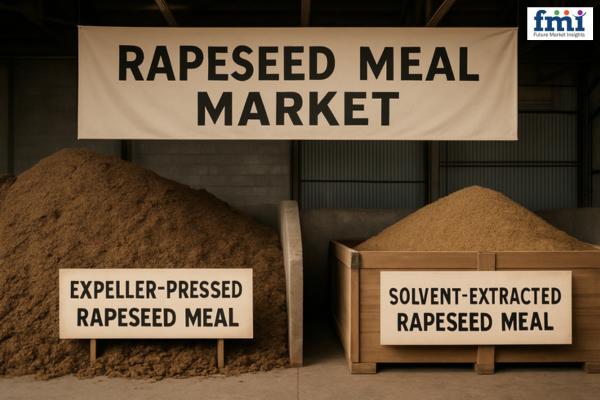
The global feed industry is under siege. Supply chains are strained, prices are volatile, and the hunt for sustainable, reliable protein sources has never been more urgent. In this scramble, rapeseed meal has emerged as a key contender. According to Future Market Insights, the rapeseed meal market is expected to soar to USD 9,153.9 million by 2035. That’s impressive growth—but let’s be clear: this isn’t a silver bullet for the feed crisis.
Rapeseed meal’s rise is a response to real pressure. The feed industry needs alternatives to soy and corn—two staples tangled in environmental degradation and geopolitical instability. Rapeseed meal, a byproduct of oil extraction, offers a cost-effective, protein-rich option with a smaller ecological footprint. But the bigger question remains: are we merely treating symptoms of a broken system, or are we changing the game?
What’s driving this expansion is not just the volume of rapeseed meal used, but its strategic fit into multiple sectors. From livestock nutrition to aquaculture feed, and increasingly, its inclusion in organic farming practices, the product’s versatility has made it indispensable. As protein demands rise worldwide, especially in regions facing land and resource constraints, rapeseed meal offers a lower-cost, lower-carbon option.
Get a Sneak Peek into the Market – Download a Free Sample: https://www.futuremarketinsights.com/reports/sample/rep-gb-18840
The Feed Industry’s Urgent Pivot
Feed producers worldwide are scrambling to diversify. Rapeseed meal fits the bill—it’s abundant, nutritious, and increasingly accepted. But growth isn’t just about availability; it’s about survival.
The market growth detailed by FMI reflects a global pivot. Europe is leading this charge, leaning heavily on rapeseed meal to reduce dependency on imports and cut environmental impact. The market momentum is undeniable. Yet, adoption varies widely, and some regions remain stuck in old patterns.
Real Progress or Just Another Bandage?
Let’s be blunt: rapeseed meal’s potential is significant, but it’s not a fix-all. The industrial livestock model that devours vast quantities of feed is fundamentally unsustainable. Swapping one feedstock for another does not solve systemic flaws.
This market growth, while promising, should not be mistaken for transformation. It’s a stopgap. Without structural reforms in agriculture and consumption, the pressure on land and resources will continue to escalate. Rapeseed meal helps. But don’t fool yourself—it doesn’t free us from the trap.
The Opportunity—and The Risk
Rapeseed meal offers opportunity: a protein source with less environmental baggage. But there’s risk, too.
If producers chase quantity over quality, or if rapeseed cultivation leads to monoculture expansion, we’ll see history repeat itself. The cycle of boom, environmental damage, and economic bust will continue.
Growth must be managed responsibly. Otherwise, rapeseed meal risks becoming just another commodity exploited without care.
What Comes Next?
The FMI forecast is a call to action. The market’s expansion signals demand and opportunity. But it also raises urgent questions: Will policy align with sustainability goals? Will the industry innovate beyond shortcuts? Will consumers demand accountability?
Rapeseed meal is a piece of the puzzle. A vital piece. But the puzzle is vast and complex.
If we want real change, it’s time to stop settling for incremental fixes. The global food system requires bold, systemic shifts—not just swapping ingredients.
Stay Ahead with the Complete Market Analysis – Download Full Report: https://www.futuremarketinsights.com/reports/rapeseed-meal-market
Key Takeaways
- Market Valuation: Expected to hit USD 9.15 billion by 2035.
- Growth Rate: CAGR of 6.1% from 2025 to 2035.
- Core Drivers: Increasing demand for protein-rich livestock feed, rise of organic farming, and renewable fuel mandates.
- Technology Impact: Enhanced processing methods improving nutritional value and digestibility.
- Geographic Growth: The U.S., South Korea, and the EU are emerging as major consumption hubs.
Leading Brands
- DSM
- Ulrick & Short
- Target Feeds
- GP Feeds Lt
- Cargill
- Wilmar International
- Hbgo
- Bunge
- Bgg
- Sinograin
- Sanxing Group
- Herun Group
- Other Players