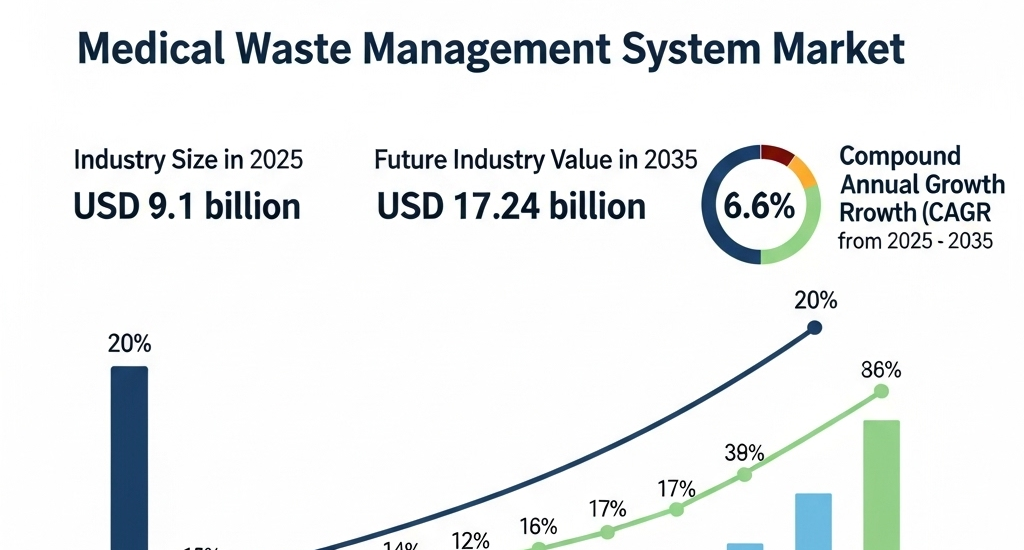
The global Medical Waste Management System Market is estimated to be valued at USD 9.1 billion in 2025 and is projected to reach USD 17.24 billion by 2035, registering a compound annual growth rate of 6.6% over the forecast period. That figure should stop you in your tracks. It’s not just growth—it’s a warning. Our healthcare systems are producing so much toxic waste, we’ve turned managing it into a booming industry. That isn’t progress. It’s damage control.
Every syringe, every disposable gown, every latex glove ends up somewhere. And most of it isn’t recycled. It’s dumped, burned, or left to rot in under-regulated landfills. This isn’t a side issue. It’s a full-blown environmental crisis hiding behind hospital walls.
Get Sample Report: – https://www.futuremarketinsights.com/reports/sample/rep-gb-5034
FMI points to a surge in demand for incineration, chemical treatment, and autoclaving systems. Great. We’re building more machines to clean up a mess we shouldn’t be making in the first place. The global healthcare infrastructure is expanding—and so is the waste. With it comes a silent avalanche of contaminated plastics, hazardous sharps, and pharmaceutical leftovers.
And while high-income nations might afford expensive cleanup systems, many countries don’t even have the basics. In some regions, waste handlers work without gloves. Syringes are tossed like candy wrappers. The waste economy may be booming on paper, but the people dealing with it are often invisible—and unprotected.
Even in the U.S., where you’d expect better, oversight is a patchwork. Regulations vary by state. Some enforce strict standards. Others barely check. There’s no national waste tracking mandate. Hospitals are left to figure it out with private contractors, many of whom operate with minimal transparency. It’s not a system. It’s a gamble.
The FMI report doesn’t mince words: demand is being driven by chronic disease, aging populations, infection control, and pandemic preparedness. All real concerns. But none of them excuse the scale of this waste. Our solutions can’t just be more disposal tech. We need to stop generating so much trash in the first place.
That means rethinking single-use culture. It means pushing back against disposable everything. Hospitals need to embrace sterilizable instruments, washable gowns, real sustainability—not PR-friendly slogans and greenwashed bins. Technology alone won’t fix this. Policy might. Political will definitely could. But right now, what we have is a crisis being monetized.
So yes, $80 billion is coming. And behind that number is a growing mountain of blood-stained gauze, chemical sludge, and biohazard bags we pretend to forget. The future of healthcare is being choked by its own debris.
Key Segments
By Key Systems Used:
- Waste Segregation Systems
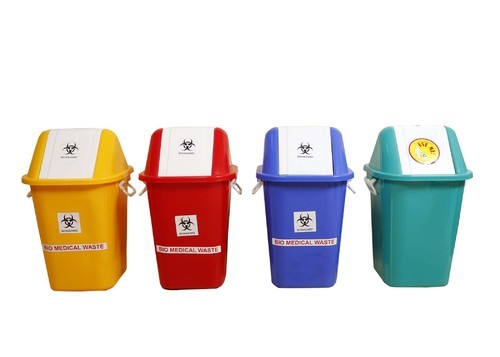
- Smart Bins & Color-Coded Containers
- Barcode-Based Tracking Systems
- RFID-Based Waste Monitoring Systems
- Waste Management Software Platforms
- Automated Waste Collection Systems
- Decontamination & Sterilization Units
- Compactors & Shredders
- Mobile Waste Treatment Units
- Waste Storage and Containment Systems
- Thermal Treatment Systems
- Chemical Disinfection Systems
- Autoclave-Based Treatment Units
- Compliance and Documentation Management Systems
Explore In-Depth Analysis-Click Here to Access the Report:- https://www.futuremarketinsights.com/reports/medical-waste-management-system-market
By Waste Type:
- Infectious Waste
- Pathological Waste
- Sharps Waste
- Chemical Waste
- Pharmaceutical Waste
- Cytotoxic Waste
- Radioactive Waste
- General Healthcare Waste
By Treatment Site:
- Onsite Treatment
- Offsite Treatment
By End User:
- Public Healthcare Facilities
- Private Healthcare Facilities
- Research & Academic Institutions
- Diagnostic Laboratories
- Waste Disposal Companies
By Region:
- North America
- Latin America
- East Asia
- South Asia and Pacific
- Western Europe
- Eastern Europe
- Middle East and Africa