The global Soy Food Products Market, which stood at USD 54.3 billion in 2024, is projected to reach a value of USD 55.9 billion by the end of 2025. The market is forecasted to expand steadily at a CAGR of 3.5% from 2025 to 2035, reaching a total value of USD 78.8 billion. This growth trajectory underscores the increasing importance of soy-based food products in the evolving landscape of global nutrition and consumer health consciousness.
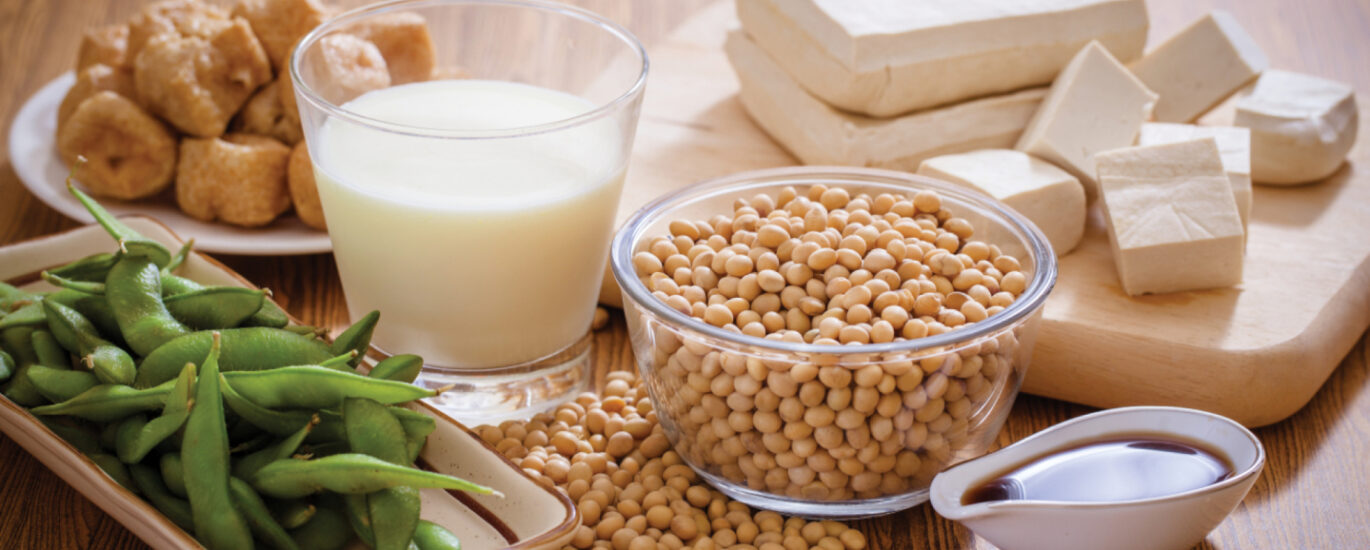
Soy food products have carved out a strong position in the plant-based foods sector, driven by a broad shift in consumer preferences towards healthier, sustainable, and protein-rich diets. Products like soy milk, tofu, tempeh, edamame, and meat substitutes derived from soybeans are gaining popularity, especially among vegan, vegetarian, and flexitarian consumers. The nutritional profile of soy—being a rich source of plant-based proteins, essential amino acids, vitamins, and minerals—makes it a vital component in modern diets centered on preventive healthcare and sustainability.
Access Your Sample Report Today: https://www.futuremarketinsights.com/reports/sample/rep-gb-105
Key Takeaways
- Market Valuation: Expected to grow from USD 55.9 billion in 2025 to USD 78.8 billion by 2035.
- Growth Rate: CAGR of 3.5% over the forecast period (2025–2035).
- Consumer Trends: Rising demand for plant-based proteins and clean-label food alternatives.
- Application Expansion: Increasing incorporation of soy-based ingredients in ready-to-eat meals, dairy alternatives, and meat substitutes.
- Emerging Economies: Strong growth in India and China driven by urbanization and health-conscious populations.
Market Dynamics
Drivers
The surge in veganism and vegetarianism worldwide is among the most significant drivers of the soy food products market. As consumers become more mindful of what they consume, soy is being embraced as a “superfood” that supports heart health, hormonal balance, and weight management. Additionally, growing awareness of environmental sustainability and animal welfare has led consumers to seek alternatives to traditional animal-based proteins. Soy-based products serve as a practical and nutritious solution.
Challenges
Despite its benefits, soy consumption is occasionally hampered by concerns regarding genetically modified organisms (GMOs), potential allergens, and phytoestrogen content. The market also faces challenges from the emergence of other plant-based protein sources like pea, oat, and almond, which are gaining traction due to their hypoallergenic nature.
Opportunities
The rapid expansion of retail and e-commerce networks, especially in Asia-Pacific and Latin America, is offering new growth avenues. Innovation in flavor profiles, texture enhancements, and fortified soy products is expected to help manufacturers capture a broader consumer base.
Recent Developments in the Market
- Product Innovation: Several key players have launched fortified soy beverages and high-protein tofu aimed at fitness enthusiasts and the aging population.
- Strategic Partnerships: Collaborations between soy processors and plant-based food tech firms have emerged to diversify product offerings.
- Sustainability Initiatives: Manufacturers are actively investing in sustainable soy farming practices to attract environmentally conscious consumers.
Country-wise Analysis (2025–2035)
- USA (CAGR: 3.2%): The U.S. remains a mature yet steadily growing market due to increased consumption of plant-based meat alternatives and soy beverages in urban areas.
- Germany (CAGR: 3.4%): Germany’s progressive shift towards veganism and organic diets has been instrumental in the expansion of soy-based foods.
- China (CAGR: 4.0%): With a rich tradition of soy consumption, China is witnessing renewed demand due to rising health awareness and modernization of traditional diets.
- Japan (CAGR: 3.5%): Traditional consumption of soy-based foods like miso, tofu, and natto continues, now boosted by the adoption of new soy formats.
- India (CAGR: 4.5%): India’s growing middle-class population, dietary diversification, and government support for plant-based nutrition are propelling market growth.
Gain Full Market Perspective – Get the Full Report Today: https://www.futuremarketinsights.com/reports/global-soy-food-products-market
Competitive Analysis
The global soy food products market is moderately consolidated, with key players focusing on expanding their product portfolios and global footprints through mergers, acquisitions, and partnerships. Companies are investing heavily in R&D to introduce fortified soy variants with enhanced flavors and functionality. Notable players are also adopting sustainable sourcing practices to align with ESG (Environmental, Social, and Governance) trends.
Leading Players Include:
- Archer Daniels Midland Company
- Alpro
- Caramuru
- Barentz Europe B.V.
- China Yingxia International Inc
- Dean Foods Company
- ChsInc
- Eden Foods, Inc.
- DuPont Solae
- Northern Soy Inc.