The global gastrointestinal stents market is estimated to be valued at USD 530.6 million in 2025 and is projected to reach USD 889.4 million by 2035, registering a CAGR of 5.3% over the forecast period.
The gastrointestinal stent market is witnessing a notable transformation driven by advancements in medical technology and increasing incidences of gastrointestinal disorders. These stents, which are used to open narrowed or blocked passages in the gastrointestinal tract, have become a critical component in both palliative care and therapeutic interventions. Rising awareness among healthcare providers and patients, coupled with a growing aging population, is further contributing to market expansion.
This market comprises various types of stents, including biliary, colonic, duodenal, and esophageal stents. Innovations in stent materials, including self-expanding metal stents and biodegradable stents, are also reshaping the competitive landscape. With more focus on minimally invasive procedures, demand for efficient, cost-effective stent solutions is expected to remain strong in the foreseeable future.
Get Sample Report: – https://www.futuremarketinsights.com/reports/sample/rep-gb-14295
Size & Trends
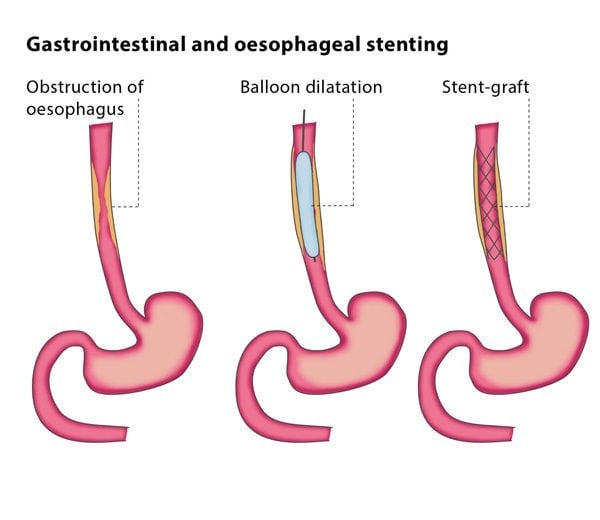
The gastrointestinal stent market is projected to grow significantly in the coming years, supported by increasing demand for non-surgical treatment options. Recent trends highlight a shift from traditional surgical methods to endoscopic stenting, which is associated with shorter hospital stays and quicker patient recovery.
- Rising prevalence of gastrointestinal cancers, such as colorectal and esophageal cancers, is fueling the demand for stents.
- Advances in stent design, such as anti-migration features and drug-eluting capabilities, are making stents more reliable and effective.
- Adoption of biodegradable stents is growing as they reduce the need for secondary procedures.
- Integration of digital technologies, including AI-assisted imaging during placement, is enhancing precision and patient outcomes.
As hospitals and specialty clinics increasingly invest in advanced endoscopic equipment, the gastrointestinal stent market is expected to witness continuous innovation and adoption.
Challenges and Opportunities
Despite its growth potential, the gastrointestinal stent market faces several challenges that must be addressed to unlock future opportunities.
Challenges:
- High cost of stenting procedures, especially in low-income regions, remains a barrier to market penetration.
- Risk of complications, such as stent migration, perforation, and infection, may deter both patients and providers.
- Regulatory hurdles and approval timelines can delay the introduction of novel products.
- Shortage of skilled endoscopists, particularly in rural and underdeveloped areas, limits the adoption of advanced stenting procedures.
Opportunities:
- Growing healthcare infrastructure in emerging markets presents vast untapped potential.
- Partnerships between medical device companies and hospitals can streamline innovation and improve accessibility.
- Customized stent solutions based on patient-specific anatomy and pathology could improve efficacy and reduce risks.
- Expansion of telemedicine and remote monitoring opens avenues for post-procedure care and follow-up.
By overcoming these barriers, the gastrointestinal stent market can unlock significant opportunities for manufacturers, healthcare providers, and patients alike.
Market Share by Geographical Region
The gastrointestinal stent market shows varied performance across different geographical regions due to differences in healthcare infrastructure, population demographics, and disease prevalence.
- North America holds the largest share of the market, primarily due to advanced healthcare systems, strong reimbursement policies, and widespread awareness about gastrointestinal disorders.
- Europe follows closely, with increasing cases of colorectal cancer and an aging population contributing to demand.
- Asia-Pacific is the fastest-growing region, driven by rapid urbanization, lifestyle changes, and government investments in healthcare infrastructure. Countries like China and India are emerging as key markets.
- Latin America and the Middle East & Africa represent smaller shares but offer long-term growth prospects with expanding healthcare access and increasing medical tourism.
Each region presents unique challenges and opportunities, making localized strategies essential for market success.
Top Companies
The gastrointestinal stent market is moderately consolidated, with a mix of global giants and regional players competing on innovation, quality, and distribution networks.
Some of the top companies in the market include:
- Boston Scientific Corporation – Known for a wide range of endoscopy products and continuous product innovation.
- Cook Medical – Offers comprehensive stent solutions with a focus on patient safety and procedural ease.
- Taewoong Medical Co., Ltd. – Specializes in high-quality metal stents and has a growing presence in Asia and beyond.
- Olympus Corporation – A leader in endoscopy, with stent systems integrated into its diagnostic and therapeutic portfolio.
- Micro-Tech (Nanjing) Co., Ltd. – Rapidly expanding its global reach with cost-effective stent solutions.
These companies invest heavily in R&D, clinical trials, and strategic partnerships to maintain a competitive edge and cater to the evolving needs of the gastrointestinal stent market.
Explore In-Depth Analysis-Click Here to Access the Report:- https://www.futuremarketinsights.com/reports/gastrointestinal-stent-market
Segmentation Outlook
The gastrointestinal stent market can be segmented based on several key criteria, each offering insight into specific trends and opportunities.
By Product Type:
- Biliary Stents
- Colonic Stents
- Duodenal Stents
- Esophageal Stents
- Pancreatic Stents
By Material:
- Self-Expanding Metal Stents (SEMS)
- Plastic Stents
- Biodegradable Stents
By End User:
- Hospitals
- Ambulatory Surgical Centers
- Specialty Clinics
By Application:
- Malignant Obstructions
- Benign Strictures
- Others