The global camshaft lifters market is estimated to be valued at USD 3.9 billion in 2025 and is projected to reach USD 7.0 billion by 2035, advancing at a compound annual growth rate (CAGR) of 6.0% over the forecast period. This expansion is being driven by rising demand for low-friction valvetrain components and continuous upgrades in internal combustion engine performance across the automotive and motorsport sectors. As OEMs seek greater efficiency without sacrificing power output, camshaft lifters have become integral to delivering precision valve timing, improved fuel economy, and reduced emissions.
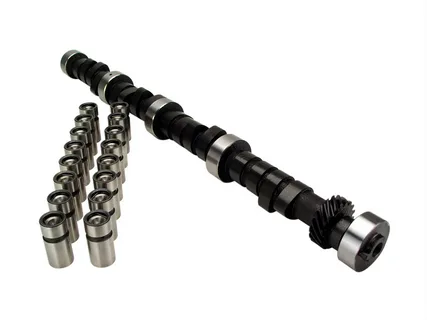
Camshaft lifters, also known as tappets or valve lifters, are key components in the engine valvetrain system that transfer motion from the camshaft to the valves. They are instrumental in regulating engine breathing and performance characteristics. The shift toward lighter, more compact engine designs has increased the need for advanced lifters that reduce weight while delivering high durability under extreme operating conditions. Hydraulic lifters, in particular, continue to gain traction for their self-adjusting capability and quieter operation, while solid lifters remain favored in high-performance and racing engines for their responsiveness at high RPMs.
The resurgence of performance-oriented vehicles and growing aftermarket interest in engine rebuilds and upgrades are further supporting market growth. Simultaneously, emerging markets with rising vehicle ownership and expansion in light commercial and off-highway vehicle segments present new growth opportunities. While EV adoption poses a long-term challenge to internal combustion engine component markets, innovations in hybrid engines and efficiency-boosting technologies will continue to sustain demand for camshaft lifters in the near to mid-term.
Get Ahead with Our Report: Request Your Sample Now!
https://www.futuremarketinsights.com/reports/sample/rep-gb-13693
Market Trends
-
Increased use of low-friction coatings and surface treatments to reduce wear and improve efficiency
-
Growing adoption of hydraulic roller lifters in modern gasoline engines for quieter, smoother operation
-
Customization and performance tuning trends driving demand for aftermarket camshaft lifters
-
Use of lightweight materials such as aluminum alloys and composites to reduce engine mass
-
Integration of lifters with variable valve timing systems for enhanced performance and fuel economy
Driving Forces Behind Market Growth
-
Rising global vehicle production, especially in emerging economies
-
Increasing demand for fuel-efficient and low-emission internal combustion engines
-
Expanding performance and motorsport markets, especially in North America and Europe
-
Strong aftermarket interest in engine rebuilds, upgrades, and restoration projects
-
Technological advancements in lifter design, metallurgy, and lubrication systems
Challenges and Opportunities
-
Gradual transition to electric powertrains reducing future dependence on camshaft-based systems
-
High-performance requirements driving the need for precise tolerances and advanced manufacturing
-
Opportunities in hybrid vehicles where internal combustion engines remain essential
-
Cost sensitivity in developing markets affecting the adoption of premium lifter technologies
-
OEM focus on downsizing engines while retaining power output presenting design innovation potential
Exhaustive Market Report: A Complete Study
https://www.futuremarketinsights.com/reports/camshaft-lifters-market
Recent Industry Developments
-
Introduction of friction-reducing lifters using diamond-like carbon (DLC) coatings for extended life
-
New product lines of lightweight lifters designed for turbocharged and direct-injection engines
-
Collaborations between engine manufacturers and component suppliers to co-develop advanced valvetrain systems
-
Investment in CNC machining and robotic assembly to ensure lifter precision and consistency
-
Development of eco-friendly lubricants and materials compatible with next-gen engine requirements
Regional Analysis
-
North America: Robust aftermarket activity, strong motorsport culture, and steady production of trucks and performance vehicles fueling demand
-
Europe: Stringent emission regulations and high demand for efficient combustion engines supporting innovation in valvetrain systems
-
Asia Pacific: Largest and fastest-growing region due to vehicle production in China, India, Japan, and South Korea; local manufacturing and cost-sensitive markets driving high-volume demand
-
Latin America: Moderate growth supported by economic vehicle segments and aging fleets requiring aftermarket replacements
-
Middle East & Africa: Emerging market potential tied to commercial vehicles, agriculture equipment, and regional motorsport expansion