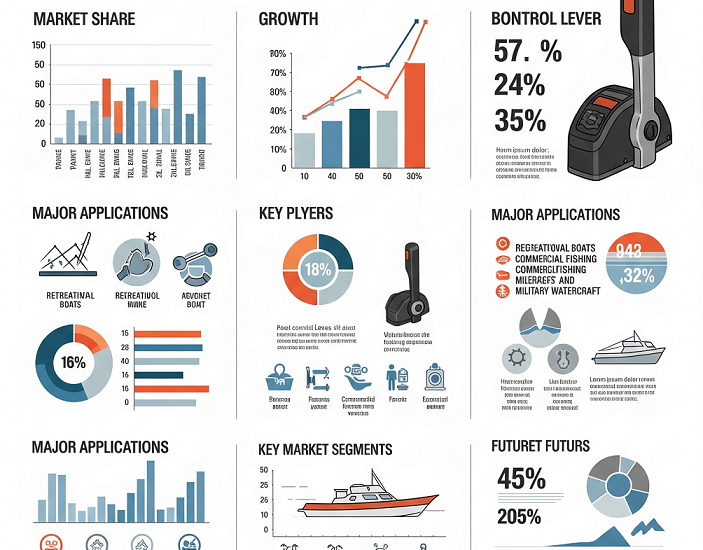
The global boat control lever market is projected to grow from USD 1,340 million in 2025 to USD 1,890 million by 2035, reflecting a compound annual growth rate (CAGR) of 3.5% over the decade. Expansion is being supported by rising participation in recreational boating, increased maritime tourism, and the steady growth of commercial marine logistics fleets worldwide. As both private and professional marine operators place greater emphasis on vessel handling precision and safety, demand for advanced, ergonomic, and responsive control levers is steadily increasing.
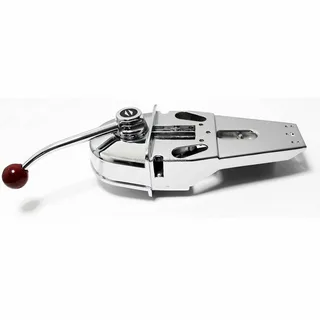
Boat control levers serve a vital function in marine navigation and propulsion systems, enabling seamless throttle and shift operations across a wide range of vessel types—from fishing boats and yachts to ferries and tugboats. Technological advancements, including integration with electronic engine controls (EEC), joystick steering systems, and dual-function throttle-shift levers, are modernizing traditional marine controls and offering users improved maneuverability and vessel command. As marine engine manufacturers continue to push for fuel efficiency, control levers are also evolving to offer smoother transitions, more precise adjustments, and digital feedback for real-time performance monitoring.
The shift toward luxury marine experiences, such as charter services and high-end recreational yachts, has further prompted investments in sleek, high-performance control systems. At the same time, increasing commercial maritime activity in inland waterways and coastal shipping is boosting demand for robust and reliable control levers capable of withstanding intensive use and varying environmental conditions.
Get Ahead with Our Report: Request Your Sample Now!
https://www.futuremarketinsights.com/reports/sample/rep-gb-14121
Market Trends
-
Increasing shift from mechanical to electronic control levers for smoother throttle and shift operations
-
Growing integration of boat control levers with multi-function displays and digital navigation systems
-
Demand for dual and multi-station control systems for larger vessels with flybridge setups
-
Rising popularity of joystick control solutions in premium yachts and sportfishing boats
-
Use of corrosion-resistant and marine-grade materials like anodized aluminum and stainless steel for durability
Driving Forces Behind Market Growth
-
Expanding recreational boating population and increased consumer interest in water-based leisure activities
-
Growth of coastal and inland maritime transport, boosting commercial vessel installations
-
Technological upgrades in marine propulsion systems requiring compatible, modern control levers
-
Greater demand for user-friendly, space-efficient control interfaces in small to mid-size boats
-
Supportive government policies encouraging maritime tourism and inland water transport
Challenges and Opportunities
-
High installation and replacement costs for electronically controlled lever systems
-
Need for customization based on vessel size, engine configuration, and control station layout
-
Opportunities for retrofitting traditional vessels with modern control levers and digital interfaces
-
Rising need for control levers compatible with hybrid-electric and electric marine propulsion systems
-
Potential for smart control systems integrated with sensors, GPS, and engine diagnostics
Exhaustive Market Report: A Complete Study
https://www.futuremarketinsights.com/reports/boat-control-lever-market
Recent Industry Developments
-
Launch of programmable digital control levers with customizable engine trim, throttle range, and start/stop features
-
Strategic collaborations between marine electronics companies and engine manufacturers for control system integration
-
Introduction of compact, space-saving control lever models for RIBs (rigid inflatable boats) and fishing boats
-
Development of dual-lever and dual-engine synchronized control options for multiengine boats
-
Expansion of aftermarket offerings with universal mounting kits and Bluetooth-enabled control units
Regional Analysis
-
North America: Dominant market led by the United States, supported by high recreational boating participation, a large coastline, and strong marina infrastructure
-
Europe: Growing market driven by the popularity of sailing and yachting, especially in the Mediterranean; regulations supporting maritime safety and emissions are influencing control system upgrades
-
Asia Pacific: Fastest-growing regional market due to increased coastal tourism, rising middle-class disposable income, and rapid expansion of maritime trade in countries like China, Japan, and Australia
-
Latin America: Growing adoption of boat control levers in commercial fishing and water transport in Brazil, Chile, and Mexico
-
Middle East & Africa: Moderate growth supported by expanding tourism and marina developments in the UAE, South Africa, and coastal parts of East Africa