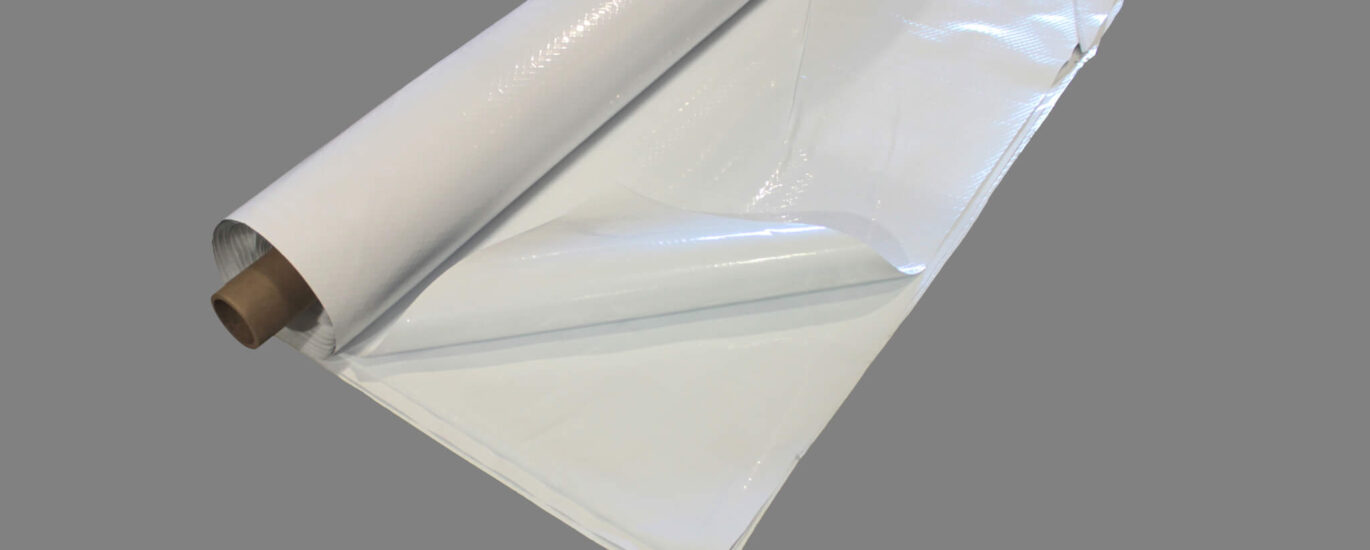
As energy-efficient buildings become mainstream, the importance of properly managing indoor climate through structural design cannot be overstated. Vapour barriers, often overlooked, play a pivotal role in passive house construction. Traditionally used to prevent moisture ingress within walls and insulation systems, vapour barriers now determine how effectively a structure resists thermal loss and mold buildup. The Passive House Institute emphasizes that without adequate vapour control, energy-efficient designs may fail, leading to compromised indoor air quality and shortened material lifespan.
Understanding Moisture Migration: Why One Barrier Doesn’t Fit All Climates
Humidity variability and climate differences mean that a single vapour barrier solution is not universally applicable. In hot-humid zones such as Florida or Southeast Asia, external vapour drive creates internal moisture buildup, requiring outward-breathable but inward-resisting barrier films. Conversely, cold climates prioritize the prevention of indoor humidity from reaching colder outer walls where condensation can occur. This makes the case for region-specific moisture control strategies, highlighting the limitations of generic polyethylene film barriers. Engineers and architects are increasingly turning to climate-specific vapour retarders that adapt to dew point variations.
𝐌𝐚𝐤𝐞 𝐈𝐧𝐟𝐨𝐫𝐦𝐞𝐝 𝐃𝐞𝐜𝐢𝐬𝐢𝐨𝐧𝐬 – 𝐀𝐜𝐜𝐞𝐬𝐬 𝐘𝐨𝐮𝐫 𝐒𝐚𝐦𝐩𝐥𝐞 𝐑𝐞𝐩𝐨𝐫𝐭 𝐈𝐧𝐬𝐭𝐚𝐧𝐭𝐥𝐲! https://www.futuremarketinsights.com/reports/sample/rep-gb-3084
Smart Vapour Retarders: The Next Frontier in Intelligent Building Materials
Smart or intelligent vapour retarders represent a significant innovation in building envelope science. These advanced materials alter their permeability depending on surrounding humidity levels. Products like CertainTeed’s MemBrain® or SIGA Majrex® are designed to be more permeable when relative humidity is high, allowing structures to dry out during wetter conditions, and less permeable in drier seasons, preventing moisture ingress. This adaptive behavior is critical in mixed climate regions or buildings with variable heating and cooling loads. As a result, smart membranes are redefining the performance expectations of building envelopes by allowing structures to “breathe” without sacrificing insulation or structural integrity.
Case in Focus: Retrofitting Multi-Unit Dwellings in Coastal North America
A compelling example of the need for specialized vapour barriers can be seen in coastal retrofits. According to Future Market Insights, the vapour barrier market is anticipated to reach USD 12.5 billion in 2025 and rise to USD 19.9 billion by 2035, expanding at a CAGR of 4.8% over the forecast period. Despite the use of standard barriers, buildings experienced interior condensation and mold formation due to poor moisture flow analysis. When replaced with smart vapour retarders and dynamic insulation solutions, the buildings showed a 47% reduction in wall cavity moisture content and a 30% improvement in thermal efficiency. This underscores the vital role of moisture diagnostics and material responsiveness in successful barrier retrofits.
Material Science Innovations: From Polyethylene Films to Intelligent Polymers
Traditional vapour barriers have relied heavily on plastic sheets like polyethylene, which are cost-effective but rigid in application. The latest advances in material science are introducing hybrid polymer compounds, such as polyamide films, which offer flexible, variable permeability and enhanced durability.
𝐔𝐧𝐥𝐨𝐜𝐤 𝐂𝐨𝐦𝐩𝐫𝐞𝐡𝐞𝐧𝐬𝐢𝐯𝐞 𝐌𝐚𝐫𝐤𝐞𝐭 𝐈𝐧𝐬𝐢𝐠𝐡𝐭𝐬 – 𝐄𝐱𝐩𝐥𝐨𝐫𝐞 𝐭𝐡𝐞 𝐅𝐮𝐥𝐥 𝐑𝐞𝐩𝐨𝐫𝐭 𝐍𝐨𝐰: https://www.futuremarketinsights.com/reports/vapour-barriers-market
These polymers also exhibit resistance to chemical degradation and UV exposure, making them ideal for multi-layered barrier systems in both residential and industrial settings. Moreover, innovations in additive manufacturing have allowed barrier properties to be tailored at the molecular level, offering bespoke solutions for architects tackling unconventional builds.
Market Implications and Forecasts: Adoption Driven by ESG and Climate Zones
According to market analysts, the vapour barrier market is poised for significant expansion, largely driven by environmental, social, and governance (ESG) considerations and climate-resilient construction practices. Future Market Insights projects that intelligent vapour barriers could account for over 35% of all barrier installations in North America by 2030. Green building certifications like LEED and WELL increasingly mandate moisture control metrics that only smart barriers can consistently meet. In Europe, regulatory trends show a shift towards mandatory use of adaptive membranes in public sector construction.
Vapour Barrier Innovation as a Sustainability Lever
As building designs grow smarter, the materials used must evolve in tandem. Vapour barriers are no longer static components—they are dynamic elements that determine a structure’s longevity, energy efficiency, and occupant health. The integration of intelligent vapour retarders into design and retrofit strategies illustrates a broader trend toward sustainable building envelopes that are responsive, resilient, and regionally appropriate. Moving forward, the vapour barrier market will likely become a barometer for innovation in green construction, and a vital tool in achieving carbon-neutral built environments.
General & Advanced Materials Industry Analysis: https://www.futuremarketinsights.com/industry-analysis/general-and-advanced-materials