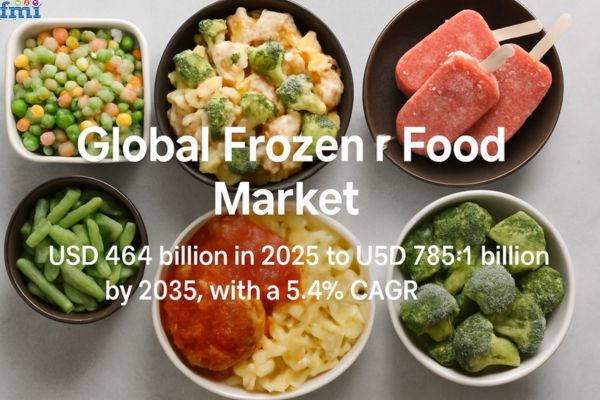
 The global frozen food market is poised for significant growth, projected to expand from USD 464 billion in 2025 to a staggering USD 785.1 billion by 2035. Driven by the global shift towards convenience, evolving consumer preferences, and advancements in cold chain logistics, frozen food is steadily becoming a staple for millions worldwide.
Consumers are increasingly gravitating toward frozen vegetables, ready meals, and bakery products as busy lifestyles, dual-income households, and e-commerce platforms redefine modern consumption habits. Innovations such as AI customization, premium frozen delicacies, and smart vending machines are fueling market momentum across major economies.
Keep Up with Market Trends: Access Your Sample Report: https://www.futuremarketinsights.com/reports/sample/rep-gb-17944
Key Industry Highlights:
The steady rise of the frozen food industry is attributed to a combination of technological advancements, shifting dietary preferences, and urbanization trends. While traditional frozen products remain popular, newer offerings like plant-based frozen meals, gluten-free snacks, and preservative-free ready-to-eat options are rapidly gaining traction.
Technological breakthroughs in food preservation and refrigeration have improved product shelf life and flavor retention, further boosting consumer confidence. Additionally, the surge in online grocery shopping and meal delivery apps continues to elevate the accessibility and appeal of frozen foods worldwide.
Surge in Market Demand: Explore Comprehensive Trends and Analysis in Our Full Report: https://www.futuremarketinsights.com/reports/frozen-food-market
Collaboration between Small Market Players to Strengthen Product Portfolio:
Amid increasing demand for variety and healthier alternatives, small and mid-sized frozen food manufacturers are actively collaborating with local farms, health food brands, and culinary startups. These partnerships are helping brands expand their portfolios with artisanal frozen meals, regional specialties, and organic snack options.
By working together, these smaller players can capitalize on niche markets overlooked by industry giants, bringing unique flavors and specialized dietary offerings to consumers. As personalized nutrition becomes mainstream, such collaborations are proving essential for capturing consumer loyalty and driving innovation.
Market Concentration:
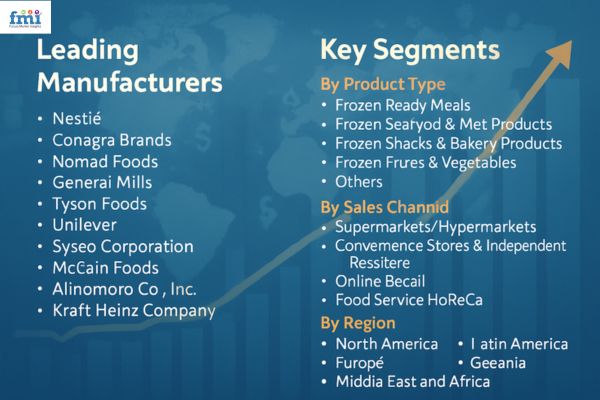
Despite the presence of major global players like Nestlé, Conagra, and General Mills, the frozen food market is exhibiting a balanced competitive landscape. Large corporations continue to dominate in terms of volume and global distribution, but regional brands are increasingly carving out specialized market segments, especially in premium and organic categories.
This diversified market concentration allows for sustained innovation, catering to varied consumer demands across regions. While the large players leverage scale and technology, smaller producers excel at agility and quick adaptation to local tastes and trends.
Country-wise Insights:
| Country | Projected CAGR (2025–2035) |
| United States | 3.8% |
| China | 6.3% |
| Germany | 4.5% |
United States: AI-Powered Frozen Meal Customization
The U.S. market is witnessing a revolutionary shift with AI-powered meal customization apps. Consumers can personalize their frozen meals by selecting ingredients, adjusting sodium content, or tailoring meals to specific dietary needs. Companies like Nestlé and Conagra are pioneering these advancements, combining AI, data analytics, and mobile technology.
China: Premium Frozen Dumplings and Instant Hot Pot Expansion
China’s frozen food sector is undergoing a transformation, focusing on premium, authentic offerings such as handmade frozen dumplings and instant hot pot kits. These products incorporate regional flavors and high-quality ingredients, enhancing the home dining experience for urban consumers.
Germany: Frozen Ready Meal Vending Machines for Urban Consumers
Germany is innovating with automated frozen meal vending machines, strategically placed in urban hubs for around-the-clock access. These machines feature RFID-based cooking instructions, offering chef-curated frozen meals on demand, and supporting dietary trends like organic and plant-based eating.
Competition Outlook:
Competition within the global frozen food market is intensifying as both multinational corporations and regional producers vie for consumer attention. Industry leaders continue to invest heavily in research, technology, and supply chain optimization to maintain market share, while niche players focus on innovation and regional taste profiles.
 Explore Convenience Food Industry Analysis: https://www.futuremarketinsights.com/industry-analysis/convinience-food