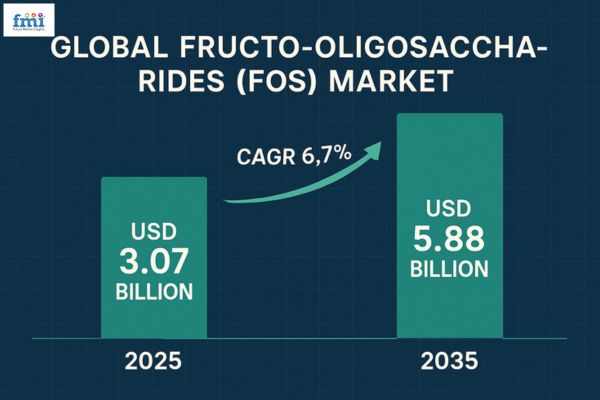
 The global fermented food and beverage market is set to witness significant growth, expanding from USD 62.2 billion in 2025 to USD 136.2 billion by 2035, registering a CAGR of 8.1%. Rising consumer interest in functional health, particularly for gut, immune, and metabolic benefits, alongside the resurgence of traditional fermentation practices, is fueling this expansion.
Keep Up with Market Trends: Access Your Sample Report: https://www.futuremarketinsights.com/reports/sample/rep-gb-15280
Key Industry Highlights
The fermented food and beverage market is undergoing a transformative phase, propelled by key factors such as:
- Market Size Projection: USD 62.2 billion (2025) → USD 136.2 billion (2035)
- CAGR:1% during 2025-2035
- Growth Drivers: Rising demand for functional foods targeting gut, immune, and metabolic health
- Consumer Preferences: Increased interest in clean-label, probiotic-rich, and plant-based fermented foods
- Product Trends: High growth in kombucha, kefir, tempeh, sauerkraut, kimchi, and plant-based yogurt alternatives
The market’s robust performance is also linked to consumers’ shifting focus from regular consumption to preventive healthcare through food.
Growing Need for Market Insights: Access Our Full Report for Thorough Analysis and Trends: https://www.futuremarketinsights.com/reports/fermented-foods-and-beverages-market
Collaboration between Small Market Players to Strengthen Product Portfolio
One of the significant trends shaping the fermented food industry is the increasing collaboration among small and medium market players. Start-ups and regional brands are entering strategic partnerships with:
- Local farms and ingredient suppliers to source high-quality raw materials
- Research institutes and biotech firms for advanced fermentation technologies
- Packaging innovators to enhance shelf-life and appeal of fermented products
These collaborations are leading to diverse product launches featuring customized probiotics, unique flavor profiles, and plant-based alternatives to traditional dairy ferments. The move allows smaller companies to expand their market presence while catering to evolving consumer demands for functional, allergen-free, and vegan fermented options.
Market Concentration
While major global players such as Danone, Nestlé, and PepsiCo maintain dominance in specific segments like dairy-based fermented beverages, the broader market remains moderately fragmented. The fragmented nature of the market fosters:
- High levels of product innovation
- Rise of artisanal and craft fermentation brands
- Local adaptations of global fermented food trends
However, with increasing consumer spending on functional health and growing mergers & acquisitions (M&A) activities by leading FMCG giants, market concentration is expected to rise gradually over the next decade. Strategic investments by global players will likely consolidate certain high-growth segments, especially in premium product categories.
Country-wise Insights
The fermented food and beverage market exhibits distinct growth dynamics across key regions:
- North America:
Strong focus on gut health and immune function driving sales of kombucha, kefir, and probiotic yogurts. The U.S. leads in innovation with a vibrant start-up ecosystem promoting plant-based fermented drinks. - Europe:
A traditional stronghold for fermented foods like sauerkraut, sourdough bread, and fermented dairy. Rising health consciousness is boosting the probiotic drink segment.
- Asia-Pacific:
Dominates in terms of cultural heritage of fermentation. Countries like Japan, South Korea, and India continue to introduce functional innovations in fermented sauces, beverages, and snacks. Asia-Pacific is projected to remain a key driver of global market growth. - Latin America & MEA (Middle East & Africa):
Growing adoption of fermented dairy and expanding market for non-dairy fermented beverages. Urbanization and awareness campaigns are enhancing product reach in emerging markets.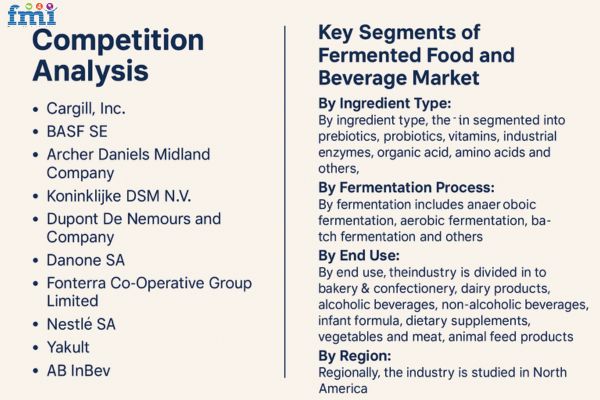
Explore Emerging and Trending Ingredients Industry Analysis: https://www.futuremarketinsights.com/industry-analysis/emerging-and-trending-ingredients