The global pectin market was valued at USD 1,125.9 million in 2025 and is projected to grow significantly, reaching USD 2,074.2 million by 2035. This robust expansion represents a compound annual growth rate (CAGR) of 6.3% during the forecast period. Rising health consciousness among consumers, coupled with the increasing preference for organic and clean-label food products, continues to fuel demand for pectin across industries such as food and beverages, pharmaceuticals, and personal care.
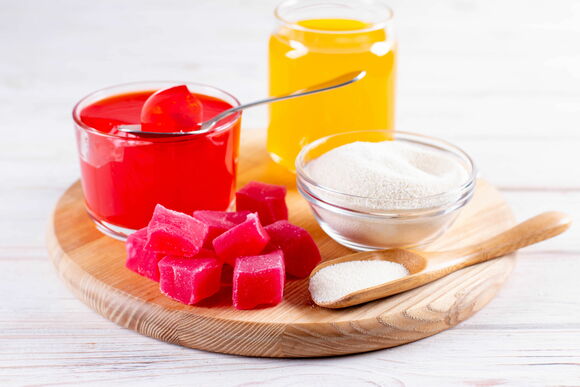
Pectin is a naturally occurring soluble fiber derived from the cell walls of plants. It is predominantly extracted from citrus fruits and apples. Commercially, it is available as a white or light brown powder and is widely used as a gelling, thickening, and stabilizing agent. Its functional properties make it ideal for use in jams, jellies, marmalades, fruit-based yogurts, dessert fillings, bakery glazes, and even low-sugar food items. With food producers increasingly reformulating products to include healthier ingredients, pectin has emerged as a go-to additive.
Gain Early Access to Market Insights – Request a Sample: https://www.futuremarketinsights.com/reports/sample/rep-gb-3041
Key Pectin Market Trends Highlighted
- Clean Label Movement: The surge in demand for clean-label products is encouraging food manufacturers to opt for plant-based and natural ingredients such as pectin.
- Functional Ingredients in Demand: Pectin’s role as a source of dietary fiber and its potential cholesterol-lowering benefits have made it popular in functional food and beverages.
- Sugar Reduction Trends: As consumers look to reduce sugar intake, pectin is being increasingly used in reduced-sugar and sugar-free fruit spreads and beverages.
- Sustainability Push: Innovations are being driven toward using waste citrus peels and apple pomace, improving sustainability in pectin production.
Pectin Industry Developments
The pectin industry is witnessing strategic expansions, mergers, and research initiatives. Major players are investing in increasing production capacities to cater to the escalating demand for high-quality pectin. Companies are also focusing on R&D to develop pectin types with better performance in low pH or low sugar formulations, meeting evolving consumer needs.
In recent years, product innovation has led to the development of amidated pectins and low methoxyl pectins, which offer improved functionality in specific applications such as dairy products and low-calorie foods. These advancements are expected to strengthen the position of pectin in health-focused food segments.
Key Takeaways of the Report
- The pectin market is poised to exceed USD 2 billion by 2035.
- The food and beverage sector remains the largest application segment.
- Apple pomace and citrus peel are the primary raw materials used in pectin production.
- Clean-label and sugar-reduction trends are major growth enablers.
- Europe and North America continue to dominate global consumption, with emerging growth in Asia-Pacific.
Pectin Market Drivers
Increasing health awareness and a shift toward organic and natural ingredients are key drivers of the pectin market. Pectin, known for its role in improving gut health and reducing cholesterol, aligns well with modern dietary trends. Its extensive use in jams, jellies, yogurts, dessert fillings, and dairy alternatives highlights its versatility. Additionally, pectin’s growing utilization in pharmaceuticals and cosmetics for its stabilizing and texturizing properties is expanding its market footprint.
Manufacturers are also responding to consumer demand for plant-based additives by promoting pectin as a vegan-friendly alternative to gelatin. This transition is boosting adoption across various processed and packaged foods, including gummies and dairy substitutes.
Access All the Insights You Need – Download Full Report Now: https://www.futuremarketinsights.com/reports/pectin-market
Pectin Market Regional Insights
North America and Europe are the dominant consumers of pectin, driven by established food processing industries and demand for clean-label, fiber-rich foods. The United States, in particular, is projected to reach a market value of USD 565.1 million by 2035, owing to strong demand for organic and low-sugar food products.
In Europe, Germany stands out with a forecasted market value of USD 104.1 million by 2035, supported by a mature food manufacturing sector and growing interest in plant-derived ingredients.
China is emerging as a significant market, expected to reach USD 56.8 million by 2035, fueled by increased processed food consumption and rising health awareness among urban populations.
India, though still developing in terms of pectin application, is projected to attain USD 24.3 million by 2035, with growing demand in the confectionery and dairy sectors.
Japan is set to achieve a market value of USD 13.6 million by 2035, benefiting from the country’s focus on functional foods and innovation in food processing.
Competition Outlook
The global pectin market is characterized by a moderately consolidated competitive landscape. Key players are concentrating on strategic partnerships, capacity expansions, and technological innovations. Leading companies are working to diversify their product portfolios by introducing pectin variants with enhanced functional capabilities.
Companies are also increasingly focusing on sustainability, investing in eco-friendly sourcing and production processes to meet regulatory and consumer demands. The competitive scenario is further intensified by new entrants from Asia, offering cost-effective pectin solutions that challenge the dominance of Western manufacturers.
Key Players are CP Kelco USA, Inc., Cargill, Inc., DuPont Inc., Herbstreith & Fox, Yantai Andre Co., Ltd., Naturex Group, Silvateam Food Ingredients, CEAMSA, Lucid Colloids Ltd, Quadra Chemicals, Other Market Players
Explore Functional Food Ingredients Industry Analysis: https://www.futuremarketinsights.com/industry-analysis/functional-food-ingredients
Key Segments of the Report
By Product Type:
This segment is further categorized into High-methoxyl Pectin, Low-methoxyl Pectin (Amidated (LMA) and Non Amidated (LMC).
By End-use Application:
This segment is further categorized into Fermented Plant-based Products, Fermented Dairy Products, including Yoghurt, Jams, Jellies, Chews, Fruit Spreads, Sugar Confectionary, Fruit Roll Ups, Fruit Preparations, Bakery Fillings, Glazes, Sauces, Toppings, Ripples, Compotes, Juices, and Reduced-sugar Beverages.
By Source:
This segment is further categorized into Citrus Fruits (Oranges, Tangerines/Mandarins, Grapefruit, Lemon and Lime), Pears, Apples, Plums, Banana and Others (Peach, Berries).
By Region:
Industry analysis has been carried out in key countries of North America, Latin America, Eastern Europe, Western Europe, East Asia, South Asia & Pacific, Central Asia, Balkan and Baltic Countries, Russia & Belarus and the Middle East & Africa.
About Future Market Insights (FMI)
Future Market Insights, Inc. (ESOMAR certified, recipient of the Stevie Award, and a member of the Greater New York Chamber of Commerce) offers profound insights into the driving factors that are boosting demand in the market. FMI stands as the leading global provider of market intelligence, advisory services, consulting, and events for the Packaging, Food and Beverage, Consumer Technology, Healthcare, Industrial, and Chemicals markets. With a vast team of over 400 analysts worldwide, FMI provides global, regional, and local expertise on diverse domains and industry trends across more than 110 countries.
Contact Us:
Future Market Insights Inc.
Christiana Corporate, 200 Continental Drive,
Suite 401, Newark, Delaware – 19713, USA
T: +1-347-918-3531
For Sales Enquiries: sales@futuremarketinsights.com
Website: https://www.futuremarketinsights.com
LinkedIn| Twitter| Blogs | YouTube