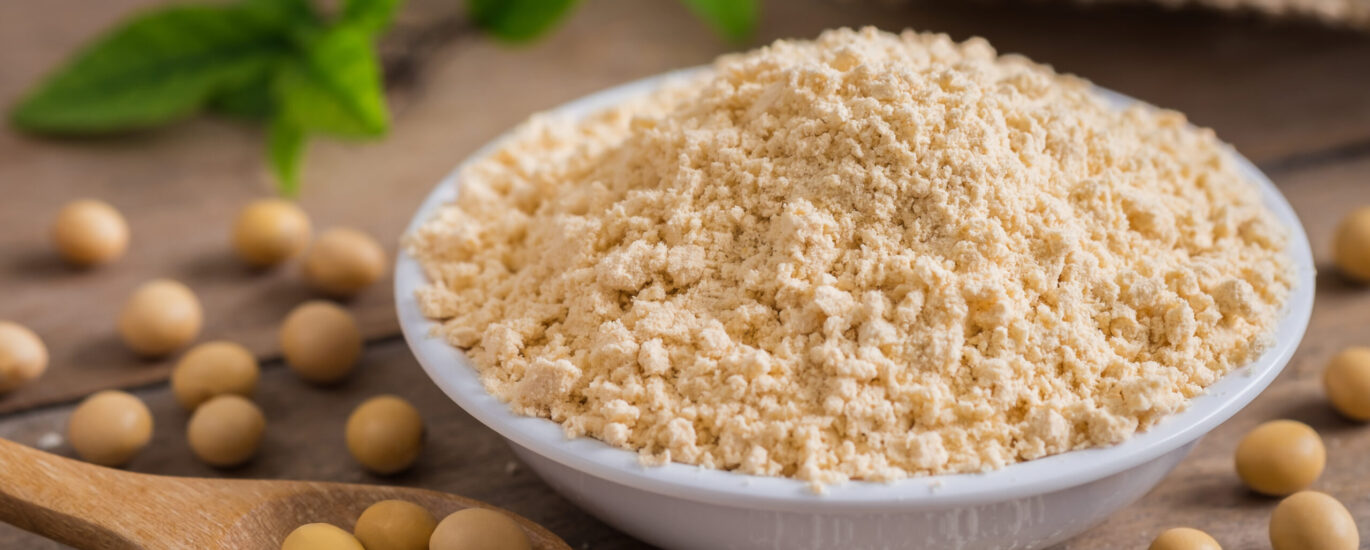
The global soy protein isolate market is poised for consistent growth, with projections indicating a rise from approximately USD 3.29 billion in 2025 to around USD 4.40 billion by 2035. This expansion reflects a steady compound annual growth rate (CAGR) of 2.9% during the forecast period. The SPI market is being buoyed by increasing awareness around plant-based diets, rising sports nutrition consumption, and the broadening adoption of meat alternatives and fortified foods in both developed and emerging economies.
Soy protein isolate, recognized for its high protein content and minimal fat and carbohydrate levels, continues to gain traction across various applications such as bakery, beverages, dietary supplements, and functional foods. With consumers seeking clean-label, allergen-free, and sustainable protein options, SPI serves as a valuable ingredient for both mainstream manufacturers and health-conscious startups. Market players are also investing in improving product purity, traceability, and customization—responding to global trends favoring transparency, health, and innovation.
Uncover Essential Data – Get a Sample Copy Instantly: https://www.futuremarketinsights.com/reports/sample/rep-gb-5832
Several key mergers and acquisitions are shaping the soy protein isolate landscape. In recent years, DuPont Nutrition & Health merged with IFF to enhance its plant protein capabilities, while ADM continues acquiring and partnering with regional processors to scale its SPI operations. Chinese companies are also investing in joint ventures with U.S. and EU firms to enhance SPI production quality and build localized processing facilities.
𝐊𝐞𝐲 𝐓𝐚𝐤𝐞𝐚𝐰𝐚𝐲𝐬
- SPI market is forecasted to grow from USD 3.29 billion in 2025 to USD 4.40 billion by 2035
- Rising demand in sports nutrition, vegan foods, and meal replacement categories
- Major players focus on R&D in clean-label, traceable, and functional SPI ingredients
- M&A activity increasing among top-tier food and nutrition players
- Developing countries present high-potential, under-penetrated markets
𝐄𝐦𝐞𝐫𝐠𝐢𝐧𝐠 𝐓𝐫𝐞𝐧𝐝𝐬 𝐢𝐧 𝐆𝐥𝐨𝐛𝐚𝐥 𝐌𝐚𝐫𝐤𝐞𝐭
- Hybrid protein solutions: Companies are blending SPI with other plant proteins like pea and chickpea for better amino acid profiles and taste
- Customized SPI solutions: Tailored SPI applications are being designed for elderly nutrition, infant formula, and sports-specific needs
- Sustainable sourcing: Supply chain innovation is promoting non-GMO, deforestation-free soy as a differentiator
- Precision fermentation: Startups are experimenting with SPI enhancement through bioengineering for better digestibility and functional attributes
𝐒𝐢𝐠𝐧𝐢𝐟𝐢𝐜𝐚𝐧𝐭 𝐃𝐞𝐯𝐞𝐥𝐨𝐩𝐦𝐞𝐧𝐭𝐬 𝐢𝐧 𝐆𝐥𝐨𝐛𝐚𝐥 𝐒𝐞𝐜𝐭𝐨𝐫
- ADM launched a new line of traceable soy protein isolates optimized for clean-label foods
- Axiom Foods introduced hypoallergenic SPI for infant and elderly nutrition applications
- Several Asian governments, including China and South Korea, have rolled out grants for plant-based innovation using SPI
𝐓𝐫𝐞𝐧𝐝𝐬 𝐚𝐧𝐝 𝐎𝐩𝐩𝐨𝐫𝐭𝐮𝐧𝐢𝐭𝐢𝐞𝐬 𝐢𝐧 𝐭𝐡𝐞 𝐌𝐚𝐫𝐤𝐞𝐭
- Functional wellness: SPI-based meal replacements, beverages, and bars are gaining popularity among health-focused consumers
- Developing nations: India, Brazil, and Southeast Asian countries are showing surging demand due to growing protein deficiencies and health consciousness
- Ingredient innovation: Opportunities exist in flavor masking, water solubility, and SPI emulsification for bakery and beverage applications
The Complete Picture Awaits – Download the Full Report: https://www.futuremarketinsights.com/reports/soy-protein-isolate-market
𝐂𝐨𝐦𝐩𝐞𝐭𝐢𝐭𝐢𝐨𝐧 𝐎𝐮𝐭𝐥𝐨𝐨𝐤
Key competitors include Archer Daniels Midland; Cargill; Fuji Oil Holdings; Farbest ; Kerry Group; Batory Foods; CHS Inc.; Crown Soya Protein Group; The Scoular Company; Food Chem International; Nutra Food Ingredients; Osage Food Products; DuPont de Nemours. The market is moderately consolidated, with top players investing in R&D, supply chain transparency, and strategic collaborations. Emerging regional companies in India and China are disrupting pricing strategies through local production advantages.
𝐑𝐞𝐠𝐢𝐨𝐧-𝐰𝐢𝐬𝐞 𝐈𝐧𝐬𝐢𝐠𝐡𝐭𝐬
USA (CAGR: 2.5%)
A mature SPI market driven by clean-label demand and advanced food-tech. Growth has plateaued, but innovation in high-purity isolates and wellness positioning sustains relevance.
China (CAGR: 3.4%)
Transitioning from an importer to a demand generator, China’s SPI market is fueled by functional foods and plant-based meat. Domestic production is growing but faces purity and traceability challenges.
Germany (CAGR: 2.6%)
A sustainability-focused market where SPI is entrenched in both industrial and retail segments. Growth is steady, with premium niches driving innovation.
Brazil (CAGR: 3.2%)
Soy-abundant Brazil is diversifying from bulk exports to domestic applications. Policy support is helping build local SPI processing capacity.
India (CAGR: 4.1%)
A high-potential but underdeveloped market. SPI is gaining ground due to rising protein awareness, though cost sensitivity and limited local production are key hurdles.
Canada (CAGR: 2.8%)
A hub for plant-based R&D. Canadian firms focus on clean-label SPI with export orientation, especially toward Europe and Asia.
United Kingdom (CAGR: 2.9%)
FMCG-led SPI adoption is strong in meat-free and snack categories. Post-Brexit, domestic SPI formulations are seeing increasing uptake.
Japan (CAGR: 1.8%)
A mature market with niche applications in elderly and health-focused nutrition. Growth is modest, with innovation driven by quality rather than volume.
South Korea (CAGR: 2.3%)
Nutraceuticals and functional foods are driving SPI usage in Korea. Government support for food tech is creating new product avenues.
Explore Protein Industry Analysis: https://www.futuremarketinsights.com/industry-analysis/protein
Segmentation
By Product Type:
- Dry
- Liquid
By Application:
- Functional Foods
- Bakery and Confectionery
- Other Applications
By Function:
- Nutrients
- Emulsifiers
- Fat and Water
- Restaurants
- Other Functions
By Region:
- North America
- Latin America
- Europe
- East Asia
- South Asia
- Oceania
- Middle East & Africa
About Future Market Insights (FMI)
Future Market Insights, Inc. (ESOMAR certified, recipient of the Stevie Award, and a member of the Greater New York Chamber of Commerce) offers profound insights into the driving factors that are boosting demand in the market. FMI stands as the leading global provider of market intelligence, advisory services, consulting, and events for the Packaging, Food and Beverage, Consumer Technology, Healthcare, Industrial, and Chemicals markets. With a vast team of over 400 analysts worldwide, FMI provides global, regional, and local expertise on diverse domains and industry trends across more than 110 countries.
Contact Us:
Future Market Insights Inc.
Christiana Corporate, 200 Continental Drive,
Suite 401, Newark, Delaware – 19713, USA
T: +1-347-918-3531
For Sales Enquiries: sales@futuremarketinsights.com
Website: https://www.futuremarketinsights.com
LinkedIn| Twitter| Blogs | YouTube