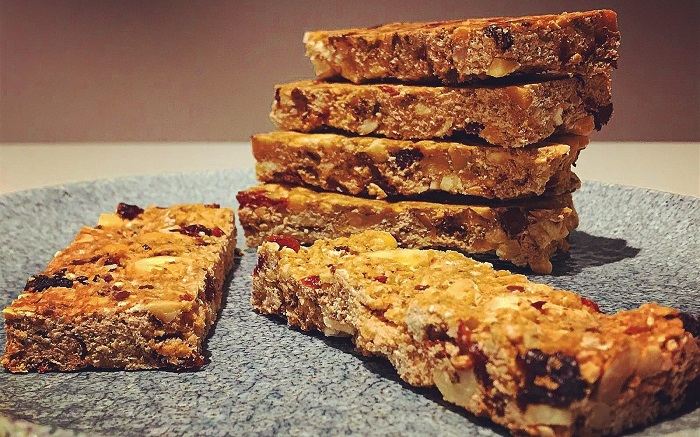
The global vegan protein bars market is poised for substantial growth, projected to expand from USD 1.05 billion in 2025 to USD 5.43 billion by 2035, registering an impressive compound annual growth rate (CAGR) of 17.8%. This surge is attributed to a rising consumer preference for plant-based, high-protein, and clean-label products that align with health and sustainability goals. The market’s evolution is being shaped by demand from athletes, fitness enthusiasts, and millennials seeking convenient, nutritious snacking options.
Vegan protein bars made from ingredients such as pea, hemp, rice, chickpea, and pumpkin seed proteins have gained momentum due to their digestibility and allergen-friendly profiles. As consumers shift away from animal-based products, manufacturers are investing in novel formulations, better textures, and global expansion strategies to meet the rising demand.
Preview the Latest Trends – Request a Sample Copy: https://www.futuremarketinsights.com/reports/sample/rep-gb-11656
Key Vegan Protein Bars Market Trends Highlighted:
- Shift to Plant-Based Lifestyles: With growing awareness of the health and environmental benefits of plant-based diets, vegan protein bars have become a staple in the functional snacking segment.
- Clean-Label Preference: Consumers increasingly favor bars with minimal, transparent ingredients and non-GMO certifications, driving clean-label innovation.
- Functional Nutrition: Demand is rising for bars with added benefits such as gut health support, low sugar, and energy-boosting properties.
- Regional Flavors and Local Ingredients: Brands are exploring unique local ingredients like matcha in Japan or pumpkin seeds in the UK for enhanced appeal and authenticity.
- Convenience and Portability: On-the-go lifestyles are fueling demand for compact, protein-rich bars that offer quick nutrition without compromising health goals.
Vegan Protein Bars Industry Developments:
- Whole Foods and Target have launched private-label vegan protein bars to expand shelf space in both offline and e-commerce retail channels.
- California and Texas-based food-tech startups are leveraging advanced formulations using hemp, brown rice, and pea protein to improve taste and mouthfeel.
- European brands are introducing soy-free, allergen-free options compliant with evolving EU food safety standards.
- Japanese companies are blending native ingredients into vegan protein bars to cater to domestic palates and international demand.
- South Korean firms are collaborating with K-pop celebrities and fitness influencers to boost brand visibility and social media traction.
Key Takeaways of Report:
- Global vegan protein bar sales to grow 5x by 2035
- Market led by USA, with South Korea and EU showing strong CAGR
- Ingredient innovations, clean-label trends, and personalized nutrition are shaping growth
- Opportunities ripe for localized flavor profiles and e-commerce models
- Government-backed wellness initiatives are supporting regional markets
Vegan Protein Bars Market Drivers:
The rise in plant-based product consumption is directly influencing the vegan protein bar market. Plant-based diets offer a host of health benefits such as improved digestion, weight control, and reduced risk of chronic diseases. These advantages are encouraging consumers to make healthier dietary choices, with vegan protein bars becoming a convenient supplement in daily routines. Protein sources such as pea, rice, and hemp are in high demand due to their rich nutritional profiles and suitability for various dietary restrictions.
Additionally, increasing participation in fitness and wellness activities is further accelerating demand, particularly for portable, protein-rich snacks that support active lifestyles. Consumer focus on sustainability and animal welfare is also catalyzing the shift toward vegan alternatives.
Access the Complete Report – Drive Your Strategy Forward: https://www.futuremarketinsights.com/reports/vegan-protein-bars-market
Vegan Protein Bars Market Regional Insights (CAGR Analysis 2025 to 2035):
United States – CAGR: 18.2%
The U.S. leads global sales, driven by a thriving fitness culture and rising demand for clean, convenient protein sources. Innovation from major brands, supported by food-tech startups in California and Texas, has elevated product quality. FDA guidelines on clean labeling and e-commerce trends have also fueled market growth.
United Kingdom – CAGR: 17.6%
In the UK, increased awareness of sustainable eating and interest in high-protein snacks are driving demand. Major retailers like Waitrose and Ocado are offering vegan bars with oat, quinoa, and pumpkin seed proteins. Urban consumers are influenced by vegan athletes and digital wellness trends.
European Union – CAGR: 17.9%
Countries like Germany and the Netherlands are hubs of plant-based innovation. EU Green Deal policies are aiding the development of eco-friendly packaging and clean-label products. Specialty chains and health food stores across the bloc are investing heavily in plant-based snack shelves.
Japan – CAGR: 17.3%
Japan’s market is benefiting from a health-conscious aging population and demand for functional foods. Brands are incorporating native flavors like adzuki beans and matcha to appeal to both local and international consumers. Tokyo and Osaka have become focal points for product launches and vegan-friendly cafés.
South Korea – CAGR: 18.0%
The Korean market is thriving due to rising gym culture and the influence of vegan K-pop stars. Locally sourced proteins such as mung bean and pumpkin seed are featured in new bar lines. Strong government support for food-tech innovation is helping domestic players scale up production and personalization.
Competition Outlook:
The vegan protein bar market is highly competitive and innovation-driven. Key players include Clif Bar & Company, RXBAR (Kellogg’s), No Cow, Orgain, GoMacro, LÄRABAR, Raw Rev, Bhu Foods, TRUWOMEN, Misfits Health
Explore Plant Based and Vegan Food Industry Analysis: https://www.futuremarketinsights.com/industry-analysis/plant-based-and-vegan-food
Vegan Protein Bars Market Segmentation
By Nature:
- Organic
- Conventional
By Flavor:
- Chocolate-Vanilla
- Chocolate-Caramel
- Peanut Butter
- Cherry Cashew
- Fruit & Nut
- Hazelnuts
- Others
By Ingredient Type:
- Soy
- Pea
- Nuts
- Hemp
- Others
By Distribution Channel:
- Convenience Stores
- Hypermarkets/Supermarkets
- Traditional Grocery Stores
- Drug Stores & Pharmacies
- Health & Wellness Stores
- Online Retailing
By Region:
- North America
- Latin America
- Western Europe
- Eastern Europe
- East Asia
- South Asia Pacific
- Middle East and Africa
About Future Market Insights (FMI)
Future Market Insights, Inc. (ESOMAR certified, recipient of the Stevie Award, and a member of the Greater New York Chamber of Commerce) offers profound insights into the driving factors that are boosting demand in the market. FMI stands as the leading global provider of market intelligence, advisory services, consulting, and events for the Packaging, Food and Beverage, Consumer Technology, Healthcare, Industrial, and Chemicals markets. With a vast team of over 400 analysts worldwide, FMI provides global, regional, and local expertise on diverse domains and industry trends across more than 110 countries.
Contact Us:
Future Market Insights Inc.
Christiana Corporate, 200 Continental Drive,
Suite 401, Newark, Delaware – 19713, USA
T: +1-347-918-3531
For Sales Enquiries: sales@futuremarketinsights.com
Website: https://www.futuremarketinsights.com
LinkedIn| Twitter| Blogs | YouTube