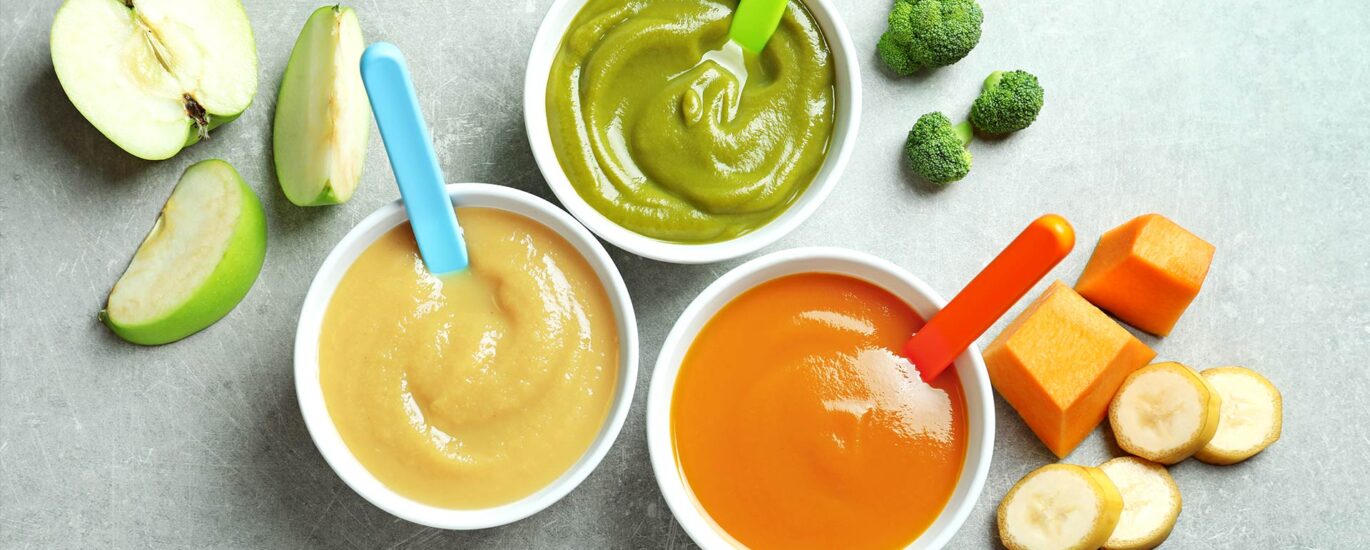
The global baby food market is poised to reach a value of USD 85.21 billion in 2025 and is forecast to surge to USD 197.35 billion by 2035, expanding at a compound annual growth rate (CAGR) of 9.6% over the forecast period. This growth is being driven by increasing urbanization, rising female workforce participation, and heightened awareness about infant nutrition, leading to a significant shift from traditional feeding practices to commercially available baby food.
Traditionally, babies have been nourished with soft, home-cooked meals—especially in underdeveloped and developing nations. However, evolving lifestyles, rapid urban development, and time constraints have led to a growing reliance on packaged baby food. Designed for infants between four months to two years of age, these products offer convenience and nutrition tailored to developmental stages. The baby food sector is gaining momentum globally due to increasing retail penetration, improved affordability, and strong marketing initiatives. However, safety concerns related to packaged products, declining birth rates in some regions, and continued preference for home-prepared meals remain key challenges.
Uncover Essential Data – Get a Sample Copy Instantly: https://www.futuremarketinsights.com/reports/sample/rep-gb-4777
Key Takeaways
- The baby food market is projected to grow at a CAGR of 9.6% from 2025 to 2035.
- Market value is expected to climb from USD 85.21 billion in 2025 to USD 197.35 billion by 2035.
- Key drivers include urbanization, rising awareness of infant nutrition, and the growing number of working women.
- Challenges include food safety concerns, cultural preferences for homemade meals, and declining birth rates.
Emerging Trends in the Global Market
- Organic and Clean Label Products: There is increasing demand for baby foods free from preservatives, synthetic additives, and genetically modified ingredients.
- Plant-Based and Allergen-Free Alternatives: New product lines are addressing lactose intolerance, gluten sensitivity, and other dietary concerns.
- E-Commerce Growth: Direct-to-consumer and subscription-based delivery services are gaining popularity among millennial parents.
- Innovative Packaging: Single-serve, portable, and resealable packaging designs are enhancing convenience and shelf life.
Significant Developments in Global Sector
- Technological Integration: Companies are incorporating AI and data analytics to study consumer preferences and develop targeted products.
- Regulatory Standards: Governments are tightening regulations around baby food safety and labeling, driving transparency and consumer trust.
- Customized Nutrition: Brands are introducing stage-specific products that cater to babies’ evolving dietary needs at different development phases.
Trends and Opportunities in the Market
The demand for premium and organic baby food products offers lucrative growth opportunities for both new entrants and existing players. Innovations such as functional foods enriched with probiotics, DHA, and iron are resonating with health-conscious parents. Furthermore, expanding online retail infrastructure in emerging markets provides a platform for global brands to reach a broader consumer base. Growth in niche categories such as vegan baby foods and ethnic-specific products also presents new avenues.
The Complete Picture Awaits – Download the Full Report: https://www.futuremarketinsights.com/reports/baby-food-market
Recent Developments in the Market
- Gerber launched a new organic baby food range targeting eco-conscious parents in North America.
- Little Spoon, a U.S.-based startup, expanded its reach through a direct-to-consumer subscription model.
- In India, FirstCry introduced its own line of affordable baby food products in collaboration with local nutrition experts.
- HiPP invested in eco-friendly production facilities to support sustainability goals.
Competition Outlook
The global baby food market remains highly competitive with key players including Nestlé, Danone, Abbott Laboratories, Hero Group, HiPP GmbH, Mead Johnson Nutrition, and The Kraft Heinz Company. Market participants are focusing on product diversification, clean label strategies, and regional expansions. Startups and digital-native brands are also disrupting traditional distribution models by leveraging social media, influencer marketing, and e-commerce platforms to capture market share.
Region-wise Insights
- United States: Expected to grow at a CAGR of 9.3%, supported by premium product demand and rising preference for organic baby foods.
- Germany: With a CAGR of 10.4%, the market benefits from strong demand for eco-certified and sustainable baby nutrition.
- China: Projected to grow at 7.5% CAGR, with government initiatives promoting child nutrition and urban middle-class spending power rising.
- Australia: Forecast to record the highest CAGR of 11.3%, due to increasing exports and growing health-conscious parenting trends.
- India: Set to expand at a CAGR of 8.2%, driven by growing birth rates, rising disposable incomes, and expanding urban retail infrastructure.
Explore Food Supplement and Nutrition Industry Analysis: https://www.futuremarketinsights.com/industry-analysis/food-supplement-and-nutrition
Key Segments of the Report
By Product Type:
As per product type, the industry has been categorized into Infant Formula (0 to 6 Months -Starting Infant formula, 6 to 12 Months -Follow-on milk formula, 12 to 24 Months – Toddlers milk formula, and 0 to 24 Months -Special Milk Formula), and Complementary Food (6 to 24 Months) (Fruit and Vegetable Puree, Baby Cereals, and Baby Porridge).
By Flavor:
This segment is further categorized into Unflavoured, Vanilla, Chocolate, Berries, Mango, Apple, Banana, Mixed Fruits, and Others (nuts, honey).
By Packaging Type:
This segment is further categorized into bags in boxes, Pouches, Jars, Can/Tins, and Others (Small tubs).
By Sales Channel:
As per the sales channel, the industry has been categorized into store-based (Hypermarkets, Supermarkets, Drugstores & pharmacies, Convenience Stores, Grocery Stores, and Baby specialty stores), and Online Retailers.
By Region:
Industry analysis has been carried out in key countries of North America, Latin America, Europe, East Asia, South Asia, Oceania, and the Middle East & Africa.
About Future Market Insights (FMI)
Future Market Insights, Inc. (ESOMAR certified, recipient of the Stevie Award, and a member of the Greater New York Chamber of Commerce) offers profound insights into the driving factors that are boosting demand in the market. FMI stands as the leading global provider of market intelligence, advisory services, consulting, and events for the Packaging, Food and Beverage, Consumer Technology, Healthcare, Industrial, and Chemicals markets. With a vast team of over 400 analysts worldwide, FMI provides global, regional, and local expertise on diverse domains and industry trends across more than 110 countries.
Contact Us:
Future Market Insights Inc.
Christiana Corporate, 200 Continental Drive,
Suite 401, Newark, Delaware – 19713, USA
T: +1-347-918-3531
For Sales Enquiries: sales@futuremarketinsights.com
Website: https://www.futuremarketinsights.com
LinkedIn| Twitter| Blogs | YouTube