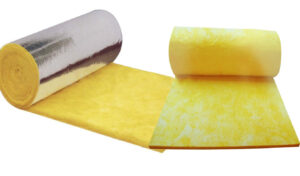
The global glass wool insulation market is projected to grow from USD 4,223.2 million in 2024 to USD 6,996.3 million by 2034, registering a steady CAGR of 5.2% during the forecast period. This growth is driven by increasing demand for energy-efficient building materials, rising construction activities, and growing awareness about sustainable insulation solutions across residential, commercial, and industrial sectors.
Glass wool, a fibrous material made from recycled glass and sand, has become an integral part of modern insulation systems. Its excellent thermal and acoustic insulating properties, fire resistance, and cost-effectiveness have positioned it as a preferred material in a range of applications. As industries and governments around the world move toward energy-efficient building codes and sustainability standards, the demand for glass wool insulation continues to gain traction.
Stay Ahead of Industry Trends – Get Your Sample Report Now!
Construction Sector Drives Market Demand
The construction industry is the primary end-user of glass wool insulation, accounting for a significant share of the market demand. With rising urbanization and infrastructure development in emerging economies, the demand for insulation materials that offer high performance at competitive pricing is increasing rapidly. Governments across various regions are implementing regulations to enhance energy efficiency in buildings, which further fuels the adoption of insulation solutions like glass wool.
Residential, commercial, and industrial construction projects are increasingly incorporating glass wool to meet energy-saving goals and to ensure indoor thermal comfort. Retrofit activities in older buildings, which aim to improve insulation and reduce energy consumption, are also contributing to the growing demand.
Focus on Sustainability and Energy Efficiency
Sustainability trends are playing a major role in shaping the future of the glass wool insulation market. As climate change concerns grow and energy costs rise, energy conservation has become a global priority. Glass wool, being recyclable and offering long-lasting insulation properties, aligns well with green building initiatives and sustainability goals.
Moreover, insulation products such as glass wool play a critical role in reducing the carbon footprint of buildings by minimizing the need for heating and cooling. With governments incentivizing energy-efficient buildings through tax benefits and subsidies, the appeal of glass wool insulation continues to increase.
Unlock Comprehensive Insights by Reading the Full Report Now! https://www.futuremarketinsights.com/reports/glass-wool-insulation-market
Industrial and HVAC Applications Gaining Momentum
Apart from the building and construction sector, glass wool insulation is finding increasing use in industrial applications and HVAC systems. In industrial settings, it is employed to insulate pipes, ducts, furnaces, and tanks to minimize energy loss and improve safety. Its non-combustibility and thermal performance make it a preferred choice in high-temperature environments.
In HVAC (heating, ventilation, and air conditioning) systems, glass wool is used to reduce energy consumption, dampen noise, and provide fire resistance. As the demand for air conditioning and ventilation continues to grow worldwide, particularly in commercial buildings, hospitals, and data centers, the demand for efficient insulation solutions is expected to rise accordingly.
Leading Companies in the Global Glass Wool Insulation Market
- Saint-Gobain
- Owens Corning
- KCC Corporation
- Johns Manville
- Knauf Insulation
- Rockwool International
- URSA Insulation S.A.
- China Iking Industrial Group Co., Ltd
- PGF Insulation
- Pink Batts
- BeiJing North Refractories Co. Ltd
- Asahi Fiber Glass Co., Ltd.
A Comprehensive Overview of the General and Advanced Materials Market: https://www.futuremarketinsights.com/industry-analysis/general-and-advanced-materials
Key Market Segments in the Glass Wool Insulation Industry
By Product Type:
In terms of product type, the industry is divided into blankets (rolls and batts), rigid boards, loose-fill, duct wraps and liners, and others.
By End Use:
In terms of end-use, the industry is divided into residential construction, commercial construction, industrial construction, and HVAC systems. The residential construction segment is further divided into new residential buildings and retrofit and renovation. The commercial construction segment is further divided into office buildings, retail spaces, and hospitality (hotels, restaurants). The industrial construction segment is segregated into manufacturing facilities, warehouses, and energy and power plants. The HVAC systems segment is further bifurcated into duct insulation and pipe insulation.
By Region:
Key countries of North America, Latin America, Western Europe, Eastern Europe, East Asia, South Asia, and the Middle East and Africa have been covered in the report.
About Future Market Insights (FMI)
Future Market Insights, Inc. (ESOMAR certified, recipient of the Stevie Award, and a member of the Greater New York Chamber of Commerce) offers profound insights into the driving factors that are boosting demand in the market. FMI stands as the leading global provider of market intelligence, advisory services, consulting, and events for the Packaging, Food and Beverage, Consumer Technology, Healthcare, Industrial, and Chemicals markets. With a vast team of over 400 analysts worldwide, FMI provides global, regional, and local expertise on diverse domains and industry trends across more than 110 countries. Join us as we commemorate 10 years of delivering trusted market insights. Reflecting on a decade of achievements, we continue to lead with integrity, innovation, and expertise.
Contact Us:
Future Market Insights Inc.
Christiana Corporate, 200 Continental Drive,
Suite 401, Newark, Delaware – 19713, USA
T: +1-347-918-3531
For Sales Enquiries: sales@futuremarketinsights.com
Website: https://www.futuremarketinsights.com
LinkedIn| Twitter| Blogs | YouTube