In a recently updated edition of the dosimetry market, FMI has assessed the market valuation to be USD 3,144.10 million in 2024. The market continues to profit from rapidly increasing conditions like cardiovascular (CVD) diseases, cancer, and neurology-related diseases, which are raising the demand for dosimeters.
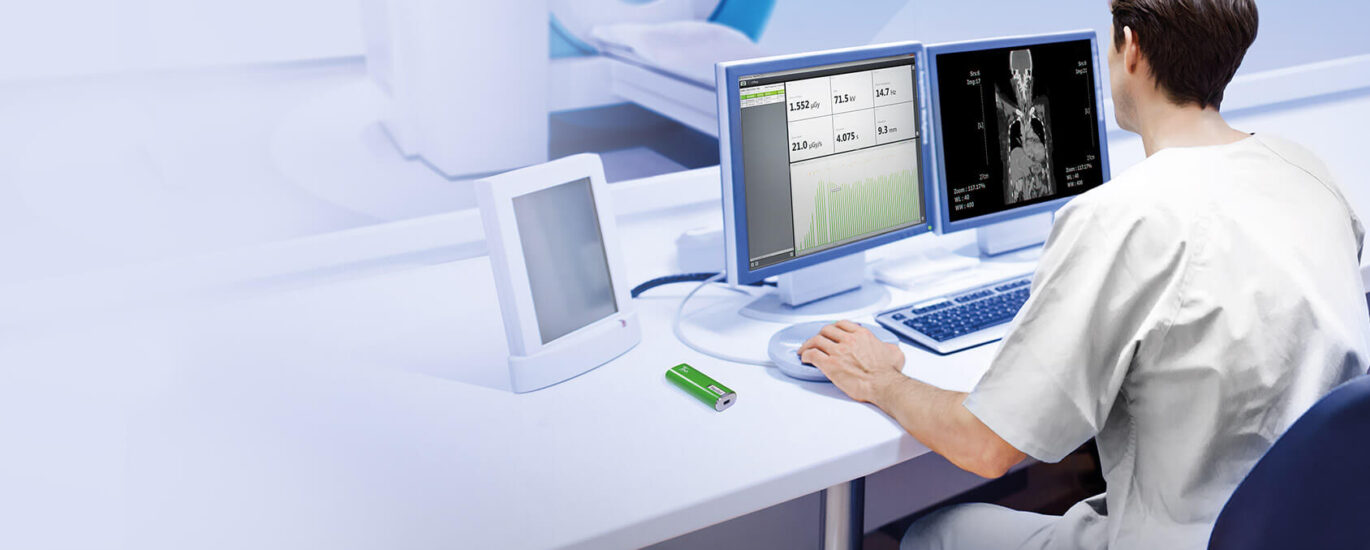
The dosimetry market encompasses a wide range of products and services designed to measure radiation exposure. These include passive dosimeters such as film badges and thermoluminescent dosimeters (TLDs), as well as active dosimeters that provide real-time monitoring capabilities. The market serves several key industries, notably healthcare, nuclear power, aerospace, defense, and environmental monitoring. As the use of ionizing radiation continues to expand in medical diagnostics and treatment, the demand for accurate dosimetry is expected to grow substantially. Additionally, increasing awareness about radiation safety and stricter regulatory mandates are compelling organizations to adopt comprehensive dosimetry solutions.
Get Sample Report: – https://www.futuremarketinsights.com/reports/sample/rep-gb-3482
Size & Trends
Recent trends in the dosimetry market indicate a shift toward digital and wireless technologies, offering real-time data access and improved usability. This transformation is being fueled by advancements in sensor technologies and software analytics. Moreover, personalized dosimetry is gaining traction, particularly in oncology and radiology, where tailored treatments demand precise radiation dosage calculations for each patient. Cloud-based dosimetry platforms are also emerging as efficient tools for centralized dose management and regulatory reporting. These trends are contributing to a growing market size, supported by ongoing investments in research and development aimed at improving accuracy, ease of use, and affordability.
Key Highlights
One of the key highlights of the dosimetry market is the increasing adoption of real-time monitoring devices in high-risk environments such as nuclear plants and radiological laboratories. Real-time dosimetry not only ensures immediate feedback but also helps prevent potential overexposure by alerting personnel to dangerous levels of radiation. In healthcare, automated and integrated dosimetry systems are streamlining radiation therapy planning, ensuring patient safety while improving treatment outcomes. Additionally, partnerships between dosimetry device manufacturers and software providers are enhancing the capabilities of dose tracking and analysis. These collaborative efforts are elevating the standard of care and occupational safety across sectors reliant on ionizing radiation.
Challenges and Opportunities
Despite the strong growth potential, the dosimetry market faces several challenges. One of the primary concerns is the high cost associated with advanced dosimetry equipment and maintenance, which may hinder adoption, especially in developing regions. Furthermore, the complexity of regulatory compliance across different countries adds to the administrative burden for users. Calibration and accuracy are also persistent challenges, particularly in environments with fluctuating radiation levels.
However, these challenges present opportunities for innovation. Emerging economies are increasingly investing in healthcare infrastructure, creating new markets for cost-effective dosimetry solutions. Additionally, the integration of artificial intelligence and machine learning in dose prediction and optimization offers the potential to significantly enhance accuracy and efficiency. There is also a growing opportunity in remote monitoring solutions, particularly useful for space exploration and military applications where traditional dosimetry methods may not be feasible.
Key Benefits for Stakeholders
The dosimetry market offers substantial benefits for a wide range of stakeholders. For healthcare providers, accurate dosimetry ensures patient safety and improves the effectiveness of radiation therapies. It helps clinicians tailor treatments to individual needs, thereby reducing the risk of overexposure or underdosing. For industrial and nuclear sectors, dosimetry is crucial in protecting workers from harmful radiation and maintaining regulatory compliance. This not only enhances worker safety but also minimizes legal and financial risks associated with radiation incidents.
Regulatory agencies benefit from standardized dosimetry practices that improve monitoring and control mechanisms across radiation-prone industries. Academic and research institutions use dosimetry data to refine radiological practices and innovate new techniques. Furthermore, patients and workers themselves gain peace of mind from knowing that their radiation exposure is being accurately tracked and managed, reinforcing trust in the systems designed to protect their health.
Market Share by Geographical Region
Geographically, the dosimetry market is segmented into North America, Europe, Asia-Pacific, Latin America, and the Middle East & Africa. North America currently holds a significant share of the market, driven by robust healthcare infrastructure, strong regulatory enforcement, and high adoption of advanced technologies. The region’s focus on worker safety and occupational health standards further supports market expansion.
Europe follows closely, with countries like Germany, France, and the UK actively investing in dosimetry solutions for both healthcare and industrial applications. In Asia-Pacific, rapid economic development and increasing healthcare expenditure are propelling market growth. Countries such as China, India, and Japan are emerging as key markets due to their expanding medical and nuclear energy sectors. Latin America and the Middle East & Africa are also witnessing gradual growth, fueled by international collaborations and growing awareness about radiation safety standards.
Competitive Outlook
The competitive landscape of the dosimetry market is characterized by a mix of established global players and emerging startups. Leading companies are focusing on mergers, acquisitions, and partnerships to expand their technological capabilities and market presence. Innovation remains a key competitive differentiator, with firms investing heavily in R&D to develop smarter, more accurate, and user-friendly dosimetry solutions.
Market competition is also intensifying as new entrants introduce low-cost alternatives to traditional dosimeters. To stay ahead, established firms are enhancing their product portfolios with value-added features such as cloud integration, mobile app compatibility, and AI-based analytics. These strategic moves are helping companies maintain their leadership positions while catering to evolving customer needs.
Top Companies
Some of the top companies operating in the dosimetry market include Mirion Technologies, Thermo Fisher Scientific, LANDAUER, IBA Dosimetry, and Radiation Detection Company. These firms are known for their comprehensive product lines, ranging from passive dosimeters to sophisticated real-time systems. They also offer calibration, training, and consultancy services, providing end-to-end solutions to their clients.
Mirion Technologies, for example, is a prominent player with a strong focus on innovation and customer service. Thermo Fisher Scientific continues to expand its reach with strategic acquisitions and a broad global presence. LANDAUER is widely recognized for its leadership in personnel dosimetry and radiation monitoring services. Each of these companies contributes to shaping the future of the dosimetry market through continuous improvement and adaptability to emerging needs.
Explore In-Depth Analysis-Click Here to Access the Report:- https://www.futuremarketinsights.com/reports/dosimetry-market
Segmentation Outlook
The dosimetry market can be segmented based on product type, application, end-user, and region. By product type, the market includes passive dosimeters like TLDs and film badges, as well as active dosimeters that offer real-time monitoring. Application-wise, it spans medical, industrial, environmental, and defense sectors. Within the medical segment, dosimetry is used in radiology, oncology, and nuclear medicine, with growing demand for precision in radiation therapy planning and execution.
End-users of dosimetry solutions include hospitals, diagnostic centers, research institutes, nuclear power plants, and regulatory bodies. Each segment has specific requirements, influencing the development and customization of dosimetry tools. Regional segmentation reveals varying levels of adoption and growth potential, shaped by regulatory frameworks, technological maturity, and public awareness. Understanding these segmentation dynamics helps stakeholders tailor their strategies to meet the diverse demands of the global dosimetry market.
About Future Market Insights (FMI)
Future Market Insights, Inc. (ESOMAR certified, recipient of the Stevie Award, and a member of the Greater New York Chamber of Commerce) offers profound insights into the driving factors that are boosting demand in the market. FMI stands as the leading global provider of market intelligence, advisory services, consulting, and events for the Packaging, Food and Beverage, Consumer Technology, Healthcare, Industrial, and Chemicals markets. With a vast team of over 400 analysts worldwide, FMI provides global, regional, and local expertise on diverse domains and industry trends across more than 110 countries.
Contact Us:
Future Market Insights Inc.
Christiana Corporate, 200 Continental Drive,
Suite 401, Newark, Delaware – 19713, USA
T: +1-347-918-3531
For Sales Enquiries: sales@futuremarketinsights.com
Website: https://www.futuremarketinsights.com
LinkedIn| Twitter| Blogs | YouTube