According to the latest analysis, the global vein finder market value is projected to increase from USD 37.6 million in 2024 to USD 52.4 million by 2034. It will likely register steady growth, with global vein finder demand rising at a CAGR of 3.4%.
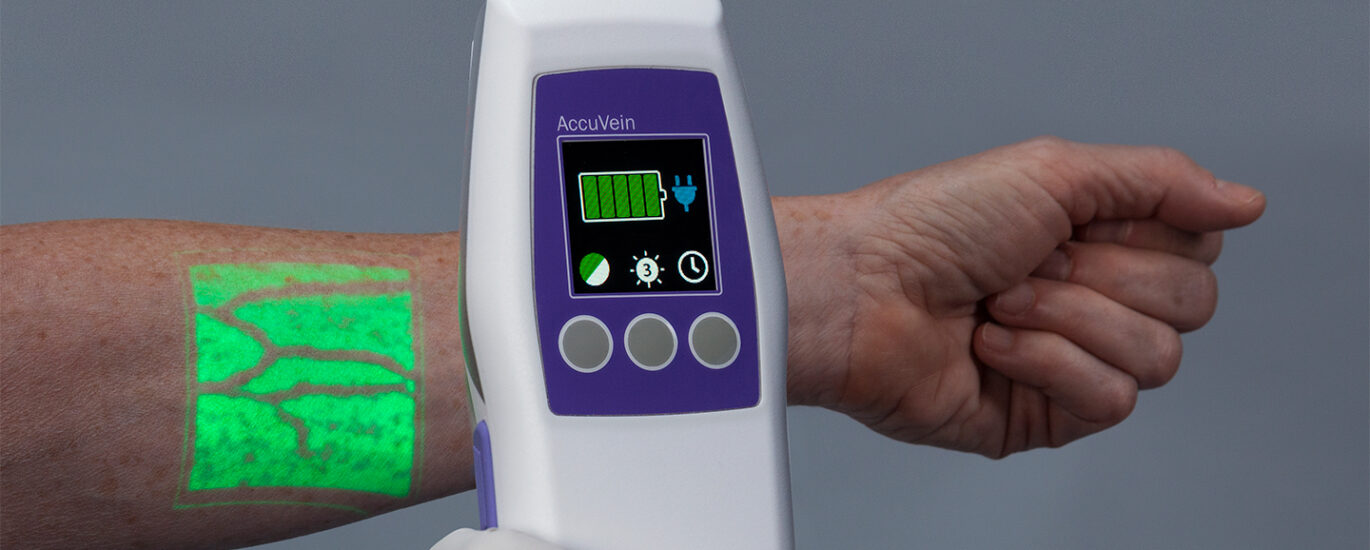
The vein finder market has witnessed a significant transformation over the years due to advancements in medical imaging technologies and the growing emphasis on patient comfort and safety. A vein finder is a medical device designed to assist healthcare professionals in locating veins quickly and accurately, primarily for venipuncture procedures. With the rising global demand for efficient and minimally invasive techniques, the vein finder market is gaining considerable attention from hospitals, clinics, and diagnostic centers worldwide.
This market is driven by the need to improve first-attempt success rates during venipuncture, especially in pediatric, geriatric, and obese patients, where vein visibility is often compromised. Technological innovation, such as the integration of near-infrared (NIR) and augmented reality (AR) technologies, is further enhancing the capabilities of these devices, making them more precise and user-friendly. As the medical industry continues to evolve, the importance of efficient vein detection tools is expected to rise, paving the way for future growth in the vein finder market.
Get Sample Report: – https://www.futuremarketinsights.com/reports/sample/rep-gb-7640
Size & Trends
The vein finder market is characterized by rapid growth, influenced by factors such as increasing healthcare expenditure, a rise in chronic diseases, and the global aging population. Healthcare providers are increasingly investing in tools that improve clinical efficiency and reduce patient discomfort, which has made vein finders an essential component in modern medical practice.
One of the most noticeable trends in this market is the shift towards portable and handheld devices. These compact models are highly sought after due to their ease of use and suitability for emergency and field operations. Additionally, there is a growing preference for battery-operated and rechargeable units, which offer greater mobility and versatility. The surge in outpatient services and home healthcare has also contributed to the growing popularity of mobile vein finder devices, fueling further expansion in the vein finder market.
Key Highlights
Technological advancement remains one of the key highlights of the vein finder market. The integration of AI and machine learning has enabled devices to become more adaptive, offering enhanced accuracy and speed in vein detection. Innovations such as multi-depth imaging and real-time mapping are revolutionizing the way vein finders operate, providing clinicians with a clearer, more detailed view of the vascular structure.
Another highlight is the growing adoption of vein finders across a wide range of medical specialties, including oncology, nephrology, and anesthesiology. These tools are now being used not only for blood draws and IV placements but also for complex procedures like catheter insertions and surgical planning. This expanded usage across multiple disciplines reflects the increasing trust and reliance on vein finder technologies within the global healthcare system.
Challenges and Opportunities
Despite the positive outlook, the vein finder market faces several challenges. High initial costs and maintenance expenses can be prohibitive for smaller healthcare facilities, particularly in developing regions. Additionally, limited awareness and training among medical staff may hinder the effective utilization of these devices, reducing their perceived value.
However, these challenges also present significant opportunities. Manufacturers are increasingly focusing on cost-effective solutions to broaden accessibility, especially in rural and underserved areas. Furthermore, the rise of telemedicine and digital health platforms opens up new possibilities for remote monitoring and training, potentially overcoming the barriers of user knowledge and device affordability.
The increasing demand for pediatric and geriatric care offers another opportunity for market expansion. As these populations often face difficulties with vein visibility, the need for reliable vein detection devices is more critical than ever. By addressing these specific healthcare needs, the vein finder market can continue to grow and diversify its applications.
Key Benefits for Stakeholders
Stakeholders across the healthcare ecosystem stand to gain substantial benefits from the vein finder market. For healthcare providers, these devices enhance clinical efficiency by reducing the time required for venipuncture and minimizing patient discomfort. This not only improves patient satisfaction but also boosts the overall quality of care.
Manufacturers benefit from a steady demand driven by technological innovation and healthcare modernization. By developing user-friendly, cost-effective, and high-performance devices, they can cater to a diverse clientele, including hospitals, clinics, and home healthcare providers.
Patients also reap significant advantages, particularly those who undergo frequent venipuncture. Vein finders reduce the number of needle sticks required, making procedures less painful and reducing the risk of complications such as hematomas and infections. As patient-centered care becomes more prioritized, tools like vein finders will play an increasingly pivotal role in shaping positive healthcare experiences.
Market Share by Geographical Region
The vein finder market displays varying levels of penetration across different geographical regions. North America holds a prominent position due to its advanced healthcare infrastructure, high healthcare spending, and strong presence of key market players. The region’s focus on adopting cutting-edge medical technologies has significantly contributed to the widespread use of vein finders in hospitals and clinics.
Europe follows closely, with an increasing emphasis on patient safety and quality healthcare. Countries like Germany, the UK, and France are investing heavily in medical devices that streamline clinical operations and improve procedural outcomes. The growing aging population in Europe further supports the adoption of vein finder technologies.
The Asia-Pacific region presents immense growth potential for the vein finder market. Rapid urbanization, improved healthcare access, and rising investments in hospital infrastructure are fueling demand in countries such as China, India, and Japan. However, affordability remains a concern in some parts, creating opportunities for low-cost and locally manufactured devices.
Latin America, the Middle East, and Africa are gradually embracing vein finder technologies, driven by healthcare reforms and increased government initiatives. Though currently in a nascent stage, these regions represent untapped markets with significant long-term potential.
Competitive Outlook
The vein finder market is highly competitive, with a mix of established companies and emerging players striving for market share. Intense competition has spurred continuous innovation, with companies focusing on enhancing device performance, reducing costs, and expanding their product portfolios. Research and development efforts are centered around integrating smart features, improving imaging quality, and minimizing device size.
Strategic partnerships and collaborations are also shaping the competitive landscape. Many companies are forming alliances with healthcare institutions, academic research centers, and technology providers to gain insights into user needs and develop customized solutions. Additionally, expanding distribution networks and entering emerging markets are key strategies employed by players to strengthen their global presence.
Regulatory approvals and certifications play a crucial role in the competitive dynamics of the vein finder market. Companies that meet stringent compliance standards are more likely to establish trust and credibility among healthcare professionals, giving them a competitive edge.
Top Companies
Several key players dominate the vein finder market, leveraging their expertise and innovation capabilities to deliver high-quality products. These companies focus on research-driven product development and invest heavily in improving the accuracy and user interface of their devices.
Leading names in the industry are known for offering a diverse range of products tailored to different healthcare settings. Their strong distribution channels and customer support services further enhance their reputation and market reach. By continuously adapting to changing market demands and incorporating feedback from end-users, these top companies maintain a robust and loyal customer base.
Emerging startups and smaller firms are also making notable contributions to the vein finder market. With a focus on affordability and simplicity, these companies are catering to underserved regions and niche segments, adding vibrancy and innovation to the competitive ecosystem.
Explore In-Depth Analysis-Click Here to Access the Report:- https://www.futuremarketinsights.com/reports/vein-finder-market
Segmentation Outlook
The vein finder market is segmented based on technology, application, end-user, and distribution channel. In terms of technology, near-infrared and transillumination-based devices are among the most widely used, each offering distinct advantages depending on the clinical scenario. The integration of AR and advanced optics is a growing segment, reflecting the demand for high-precision tools.
From an application perspective, vein finders are used extensively in intravenous access, blood draws, and preoperative assessments. End-users include hospitals, outpatient clinics, ambulatory surgical centers, and home healthcare providers. Each of these segments presents unique requirements, influencing product design and marketing strategies.
Distribution channels range from direct sales and medical device distributors to e-commerce platforms. With the rise of online procurement and digital health ecosystems, manufacturers are expanding their presence across digital marketplaces, making vein finder devices more accessible to a broader audience.
About Future Market Insights (FMI)
Future Market Insights, Inc. (ESOMAR certified, recipient of the Stevie Award, and a member of the Greater New York Chamber of Commerce) offers profound insights into the driving factors that are boosting demand in the market. FMI stands as the leading global provider of market intelligence, advisory services, consulting, and events for the Packaging, Food and Beverage, Consumer Technology, Healthcare, Industrial, and Chemicals markets. With a vast team of over 400 analysts worldwide, FMI provides global, regional, and local expertise on diverse domains and industry trends across more than 110 countries.
Contact Us:
Future Market Insights Inc.
Christiana Corporate, 200 Continental Drive,
Suite 401, Newark, Delaware – 19713, USA
T: +1-347-918-3531
For Sales Enquiries: sales@futuremarketinsights.com
Website: https://www.futuremarketinsights.com
LinkedIn| Twitter| Blogs | YouTube