The global preterm birth diagnostic test kit market is slated to reach a value of USD 152.2 million in 2024 and expand at a CAGR of 7.6% to reach USD 316.5 million by 2034.
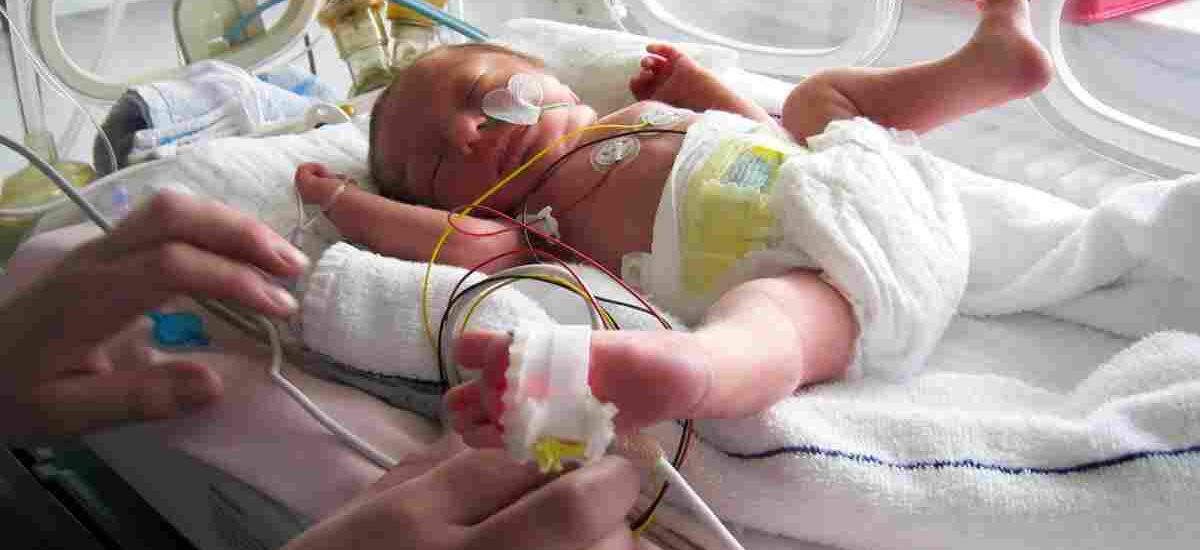
The preterm birth diagnostic test kits market has become increasingly important as healthcare systems strive to improve maternal and neonatal care outcomes. These diagnostic kits are used to assess the risk of preterm labor, enabling early intervention and potentially reducing the number of premature births. They work by identifying biomarkers associated with early labor, including fetal fibronectin and others, which help clinicians make informed decisions. As awareness around the consequences of preterm birth grows, the demand for accurate and timely diagnostic tools continues to rise.
Healthcare professionals across the globe are emphasizing preventive care, and the ability to predict and manage preterm labor has a significant impact on both medical costs and neonatal mortality rates. The preterm birth diagnostic test kits market plays a critical role in advancing perinatal care, especially in regions where the incidence of preterm birth is high. Innovation in biomarker research and diagnostics is enhancing the sensitivity and specificity of these tests, contributing to better clinical outcomes and stronger healthcare delivery systems.
Get Sample Report: – https://www.futuremarketinsights.com/reports/sample/rep-gb-7551
Size & Trends
The preterm birth diagnostic test kits market is experiencing steady growth due to the increasing prevalence of premature births and the growing awareness among healthcare providers. A rising number of high-risk pregnancies, driven by factors such as maternal age, multiple gestations, and lifestyle changes, have further fueled the need for effective diagnostic solutions. Healthcare infrastructure improvements, particularly in developing countries, are also contributing to market expansion.
Emerging trends include the integration of point-of-care testing and telemedicine services with diagnostic kits. This combination supports rapid diagnosis and remote monitoring, which is particularly useful in rural or underserved areas. Additionally, research is underway to identify new biomarkers, expand the utility of current kits, and reduce costs without compromising accuracy. As patient-centric healthcare models continue to gain ground, these diagnostic kits are becoming integral tools for obstetric care.
Key Highlights
Several key developments have shaped the preterm birth diagnostic test kits market in recent years. One of the most notable advancements is the growing adoption of non-invasive testing methods. These tests not only increase patient comfort but also offer accurate results with reduced risk. Moreover, regulatory approvals and guidelines from health authorities are streamlining the process of integrating these kits into clinical practice, further supporting market growth.
Another important highlight is the increased collaboration between healthcare institutions and diagnostic companies. These partnerships foster innovation and lead to the development of more effective testing solutions. The increasing funding and grants from both public and private entities are enabling research institutions to explore new avenues for early detection and intervention. Collectively, these efforts are pushing the boundaries of what diagnostic test kits can achieve in managing preterm birth risks.
Challenges and Opportunities
Despite the growth trajectory, the preterm birth diagnostic test kits market faces several challenges. One of the primary hurdles is the lack of awareness and accessibility in low-resource settings. Many regions still lack basic healthcare facilities, which limits the adoption of advanced diagnostic tools. Furthermore, the high cost of certain test kits can be a deterrent, particularly in countries where health insurance coverage is limited or nonexistent.
Another challenge is the variability in test results due to differences in patient physiology and the timing of the test. This can sometimes lead to false positives or negatives, complicating clinical decision-making. However, these challenges present opportunities for innovation. Companies investing in cost-effective, easy-to-use diagnostic solutions tailored for diverse populations are well-positioned for growth. Additionally, mobile health technologies and digital platforms offer a way to bridge the gap between patients and healthcare providers, making diagnostics more accessible and actionable.
Key Benefits for Stakeholders
For stakeholders in the preterm birth diagnostic test kits market, the benefits are multifaceted. Healthcare providers gain a valuable tool for early risk detection, which can lead to timely interventions and improved maternal and neonatal health outcomes. This, in turn, contributes to reduced hospital stays, lower treatment costs, and better patient satisfaction.
Patients and expectant mothers benefit from enhanced peace of mind, knowing that their risk of preterm labor is being closely monitored. From a business perspective, manufacturers and distributors of diagnostic kits enjoy opportunities for expansion in both established and emerging markets. Investors and policymakers also stand to benefit as improved diagnostic capabilities contribute to overall public health goals, reducing the economic burden of preterm births on healthcare systems.
Market Share by Geographical Region
The preterm birth diagnostic test kits market demonstrates considerable variation across different geographical regions. North America currently holds a significant share due to its well-established healthcare infrastructure, high awareness levels, and extensive R&D activities. The United States, in particular, has seen strong adoption of diagnostic test kits owing to supportive reimbursement policies and advanced clinical practices.
Europe follows closely, driven by similar healthcare standards and a focus on maternal health. Countries such as Germany, the UK, and France are investing in predictive diagnostics as part of broader prenatal care programs. Meanwhile, the Asia-Pacific region is witnessing rapid growth, fueled by a rising birth rate, increasing healthcare investments, and expanding access to maternal care services. India and China are particularly notable for their untapped potential and ongoing improvements in healthcare delivery. Latin America, the Middle East, and Africa are also emerging as promising markets as awareness and infrastructure continue to improve.
Competitive Outlook
The competitive landscape of the preterm birth diagnostic test kits market is dynamic, with numerous players vying for market share through innovation, partnerships, and geographical expansion. Companies are heavily investing in research to develop more accurate and faster diagnostic methods. Strategic collaborations with hospitals, clinics, and research organizations are enabling broader distribution and increased clinical validation of new products.
A key strategy among leading players is diversification of product portfolios to include both laboratory-based and point-of-care solutions. This allows companies to address different segments of the market, from urban hospitals to rural clinics. As competition intensifies, pricing strategies and service support are also becoming critical differentiators. Regulatory compliance, quality assurance, and technological integration remain essential for companies to sustain and grow their market presence.
Top Companies
Some of the top companies in the preterm birth diagnostic test kits market are known for their focus on innovation and global outreach. These players invest significantly in R&D to maintain a competitive edge and meet evolving clinical needs. Their offerings span a wide range of diagnostic formats and cater to diverse healthcare settings.
Established firms often collaborate with academic and research institutions to stay at the forefront of biomarker discovery. Additionally, many of these companies engage in mergers and acquisitions to enhance their technological capabilities and expand their market footprint. Strong distribution networks, regulatory expertise, and a customer-centric approach further contribute to their leadership in the market.
Explore In-Depth Analysis-Click Here to Access the Report:- https://www.futuremarketinsights.com/reports/preterm-birth-diagnostic-test-kits-market
Segmentation Outlook
The preterm birth diagnostic test kits market can be segmented based on product type, test type, end-user, and region. Product segmentation includes kits that focus on specific biomarkers such as fetal fibronectin, as well as multi-marker kits that improve predictive accuracy. Test types can be further categorized into laboratory-based and point-of-care tests, each catering to different clinical settings.
End-user segmentation includes hospitals, maternity clinics, diagnostic laboratories, and home care settings. Hospitals and clinics remain the dominant end-users, but the adoption of at-home testing kits is gaining momentum with the rise of telehealth services. Regional segmentation, as discussed earlier, reflects differing levels of healthcare infrastructure, awareness, and adoption rates. Understanding these segments is crucial for stakeholders looking to tailor their strategies and effectively address market demands.
About Future Market Insights (FMI)
Future Market Insights, Inc. (ESOMAR certified, recipient of the Stevie Award, and a member of the Greater New York Chamber of Commerce) offers profound insights into the driving factors that are boosting demand in the market. FMI stands as the leading global provider of market intelligence, advisory services, consulting, and events for the Packaging, Food and Beverage, Consumer Technology, Healthcare, Industrial, and Chemicals markets. With a vast team of over 400 analysts worldwide, FMI provides global, regional, and local expertise on diverse domains and industry trends across more than 110 countries.
Contact Us:
Future Market Insights Inc.
Christiana Corporate, 200 Continental Drive,
Suite 401, Newark, Delaware – 19713, USA
T: +1-347-918-3531
For Sales Enquiries: sales@futuremarketinsights.com
Website: https://www.futuremarketinsights.com
LinkedIn| Twitter| Blogs | YouTube