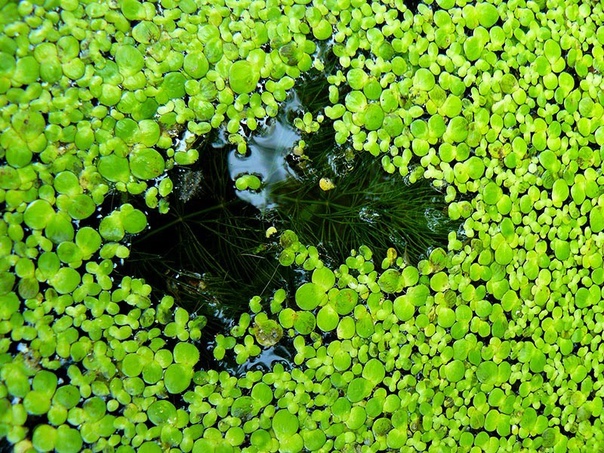
The global duckweed market is poised for robust growth over the next decade, driven by increasing demand for sustainable protein sources, advancements in biofuel production, and the rapid adoption of duckweed in wastewater treatment. According to recent market analysis, the duckweed industry, currently valued at approximately USD 89.4 million in 2025, is projected to reach a market size of USD 256.7 million by 2035, growing at a compound annual growth rate (CAGR) of 11.2%. This significant expansion reflects global trends toward green technologies, alternative nutrition, and circular economy models.
Duckweed, a fast-growing aquatic plant, is emerging as a valuable bioresource thanks to its exceptional protein density, minimal environmental footprint, and multi-utility in agricultural, energy, and environmental sectors.
Stay Ahead with Market Trends: Access Your Sample Report Now:https://www.futuremarketinsights.com/reports/sample/rep-gb-5519
Driving Forces Behind Market Growth:
Several converging forces are driving the rapid expansion of the duckweed market:
- Demand for Alternative Protein Sources:
As the global population increases and sustainability becomes central to food production, the need for plant-based and alternative protein sources has surged. Duckweed contains up to 45% protein by dry weight, making it a highly efficient and scalable protein crop. It is increasingly incorporated into animal feed, aquaculture diets, and is under research for human consumption applications. - Biofuel Development:
Duckweed’s rapid growth rate and high starch content make it an attractive raw material for bioethanol and biogas production. As the energy industry moves toward renewable sources, duckweed presents a low-cost, eco-friendly option for biofuel feedstock, especially in regions with abundant water resources and favorable climates. - Wastewater Treatment Applications:
With its ability to absorb excess nutrients and contaminants, duckweed is being deployed in wastewater treatment systems across various industries. Its phytoremediation properties offer an economical and effective solution for treating municipal, agricultural, and industrial wastewater, aligning with global environmental regulations. - Sustainable Agriculture Integration:
Duckweed’s potential as a soil enhancer, green manure, and livestock feed is being harnessed in sustainable farming practices. It contributes to reducing chemical fertilizer usage and enhancing circular farming systems.
Market Challenges & Strategic Responses:
Despite its promise, the duckweed market faces several challenges:
- Lack of Commercial Awareness and Infrastructure:
Compared to mainstream crops, duckweed is relatively unknown in global agricultural supply chains. Limited awareness among farmers, feed manufacturers, and biofuel companies restricts adoption. - Regulatory Barriers:
Food safety, environmental, and biofuel standards vary significantly across regions. Navigating regulatory approvals, especially for human food-grade duckweed, remains complex. - Harvesting and Processing Technology Constraints:
Efficient harvesting, drying, and processing technologies are still evolving. In response, companies and research institutions are investing in automation, solar drying systems, and innovative wet-processing methods to improve yield and profitability. - Market Fragmentation:
The duckweed market is still fragmented with numerous small- and medium-sized enterprises (SMEs) involved. Strategic collaborations, joint ventures, and investment in R&D are expected to consolidate the market and enhance scalability.
Rising Interest in Market Trends: Our Detailed Report Provides Essential Insights:https://www.futuremarketinsights.com/reports/duckweed-market
Regional Market Outlook:
The regional distribution of the duckweed market showcases significant diversity in adoption patterns, resource availability, and technological capacity.
- United States (Projected 2035 Market Value: USD 98.7 million):
Leading the global market, the U.S. benefits from a strong alternative protein sector, active biotechnology R&D, and governmental incentives for renewable energy and sustainable agriculture. Major investments in aquafeed and plant-based food research are further boosting demand. - Germany (USD 72.4 million):
A key player in the European market, Germany’s commitment to bioeconomy and environmental sustainability has driven strong interest in duckweed. The country is focusing on using duckweed for wastewater remediation and sustainable animal feed, supported by progressive EU regulations. - China (USD 61.8 million):
With high population pressure and limited arable land, China is exploring duckweed for both food security and environmental cleanup. Government-supported pilot projects in rural wastewater treatment and duckweed-based protein production are growing steadily. - India (USD 49.3 million):
India represents a rapidly growing market, propelled by its large agricultural sector, water treatment needs, and a rising push for circular economy solutions. Duckweed is being trialed in several states for livestock feed and decentralized wastewater management.
Other emerging markets in Southeast Asia, Latin America, and Africa are also expected to see growth due to favorable climate conditions, cost-sensitive agricultural practices, and increasing focus on resource efficiency.
Key Company Profile:
- Cargill
- ADM (Archer Daniels Midland)
- Parabel USA
- Hinoman Ltd.
- GreenOnyx
- Plantible Foods
- LemnaPro
- DryGro
- Aqua BioTech Group
- Baruch Future Ventures
Get Expert Protein Industry Analysis: https://www.futuremarketinsights.com/industry-analysis/protein
The Road Ahead:
The future of the global duckweed market lies at the intersection of food security, sustainability, and biotechnology. As climate change and resource constraints challenge traditional agriculture and energy systems, duckweed offers a scalable, eco-efficient solution. The coming decade will likely witness:
- Expansion of commercial farming systems for duckweed.
- Development of global safety and quality standards.
- Entry of large agribusiness and clean tech firms through M&A.
- Enhanced consumer awareness and market demand for duckweed-based products.
The transition from experimental to mainstream is well underway, and duckweed is set to become a pivotal component of the green economy.
Duckweed Market Segmentation
By Form:
This segment is further categorized into Powder, Oil, Paste.
By End Use:
This segment is further categorized into Household, HoReCa, Food & Beverages, Aquaculture Industry, Pharmaceutical Industry, Others.
By Application:
This segment is further categorized into Food, Animal & Aquatic Feed, Dietary/Health Supplements, Biofertilizers, Biofuels, Water Treatment.
By Product Type:
This segment is further categorized into Little Duckweed (Lemna Minor), Thick Duckweed (Lemna Gibbs), Cross Duckweed (Lemna Priscila), Great Duckweed (Lemna Polyuria).
By Region:
Industry analysis has been carried out in key countries of North America, Latin America, Eastern Europe, Western Europe, East Asia, South Asia & Pacific, Central Asia, Balkan and Baltic Countries, Russia & Belarus and the Middle East & Africa.
About Future Market Insights (FMI)
Future Market Insights, Inc. (ESOMAR certified, recipient of the Stevie Award, and a member of the Greater New York Chamber of Commerce) offers profound insights into the driving factors that are boosting demand in the market. FMI stands as the leading global provider of market intelligence, advisory services, consulting, and events for the Packaging, Food and Beverage, Consumer Technology, Healthcare, Industrial, and Chemicals markets. With a vast team of over 400 analysts worldwide, FMI provides global, regional, and local expertise on diverse domains and industry trends across more than 110 countries.
Contact Us:
Future Market Insights Inc.
Christiana Corporate, 200 Continental Drive,
Suite 401, Newark, Delaware – 19713, USA
T: +1-347-918-3531
For Sales Enquiries: sales@futuremarketinsights.com
Website: https://www.futuremarketinsights.com
LinkedIn| Twitter| Blogs | YouTube