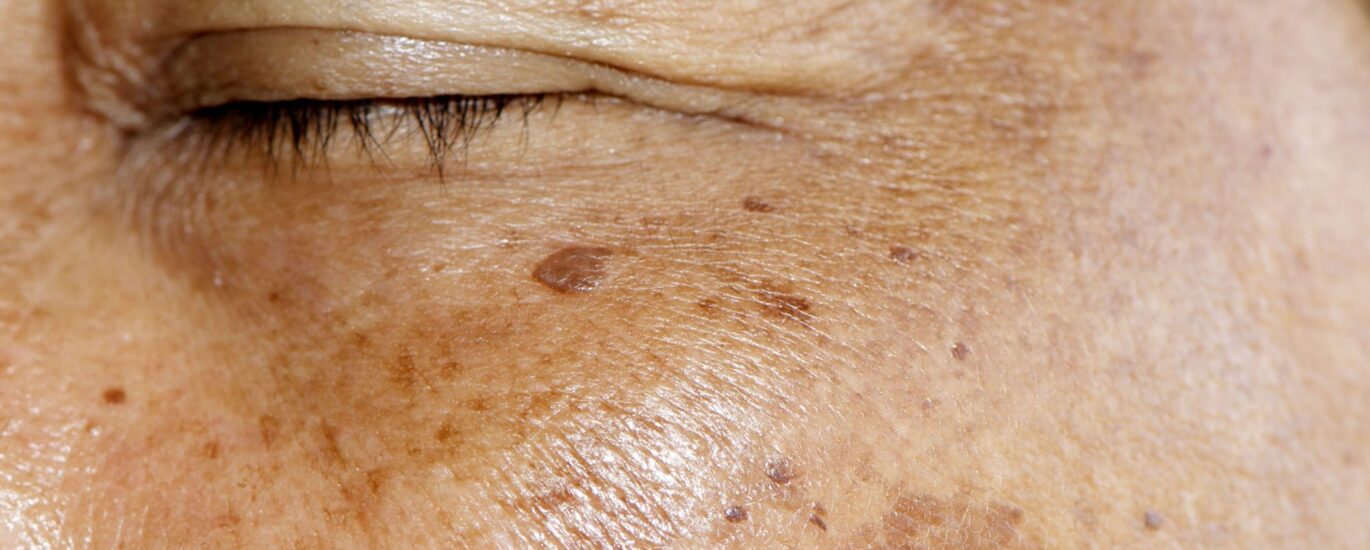
The actinic keratosis treatment market is poised for significant expansion, with projected sales increasing from USD 6,128.2 million in 2024 to USD 12,282.4 million by 2034. A CAGR of 7.2% between 2024 and 2034 is forecasted to impact this.
The actinic keratosis treatment market has been gaining significant traction in recent years, primarily due to the increasing prevalence of skin disorders caused by prolonged sun exposure. Actinic keratosis is a precancerous skin condition characterized by rough, scaly patches typically found on sun-exposed areas such as the face, scalp, ears, and arms. The growing awareness about early skin cancer prevention, coupled with advancements in dermatological therapies, has led to a surge in demand for effective treatment options. As the global healthcare infrastructure continues to evolve, especially in emerging economies, the actinic keratosis treatment market is poised for sustained growth in the years to come.
Get Sample Report: – https://www.futuremarketinsights.com/reports/sample/rep-gb-3233
Market Trends
A key trend in the actinic keratosis treatment market is the increasing shift towards non-invasive and patient-friendly treatment methods. Therapies such as topical creams, photodynamic therapy, and cryotherapy are witnessing heightened adoption due to their minimal side effects and improved patient compliance. Another noticeable trend is the rising incorporation of teledermatology services, allowing patients to receive expert advice without visiting a clinic, thereby expanding access to treatment. Moreover, the market is experiencing a rise in combination therapies, where multiple treatment methods are used together to enhance efficacy and reduce recurrence. These trends are setting the tone for a more integrated and efficient approach to managing actinic keratosis.
Driving Forces Behind Market Growth
Several factors are fueling the expansion of the actinic keratosis treatment market. A primary driver is the growing aging population, particularly in developed regions, where individuals are more susceptible to skin conditions like actinic keratosis due to cumulative sun damage. Additionally, heightened public awareness about the risks associated with untreated lesions and their potential progression into squamous cell carcinoma has led to a greater emphasis on early diagnosis and treatment. Increased investments in dermatological research and innovation are also contributing significantly to the development of more effective and less invasive therapies. Furthermore, the rising disposable incomes in developing countries are enabling more people to seek professional skincare solutions, thereby expanding the market base.
Challenges and Opportunities
Despite its positive outlook, the actinic keratosis treatment market is not without its challenges. One of the major hurdles is the underdiagnosis and undertreatment of the condition, particularly in rural or low-income regions where access to dermatological care is limited. This lack of awareness can result in delayed treatment and higher chances of complications. Additionally, some treatment methods can cause side effects such as inflammation, redness, or discomfort, which may discourage patients from completing their therapy regimen.
Nevertheless, these challenges present significant opportunities for innovation and growth. The development of user-friendly, home-based treatment options can help bridge the accessibility gap. Enhanced educational campaigns and awareness programs can play a pivotal role in encouraging early detection and intervention. Moreover, there is considerable potential in emerging markets, where improving healthcare infrastructure and increasing skin cancer awareness could drive long-term demand for actinic keratosis treatment products and services.
Recent Industry Developments
The actinic keratosis treatment market has seen a wave of recent developments that are shaping its future trajectory. Pharmaceutical companies are focusing on expanding their product portfolios by launching new topical formulations with better efficacy and reduced side effects. For instance, novel compounds targeting specific cellular pathways are being tested in clinical trials, showing promise in reducing lesion counts and preventing recurrence. Partnerships and collaborations between biotech firms and research institutions have also accelerated the development of innovative therapies.
Furthermore, regulatory bodies in various countries are streamlining the approval process for dermatological treatments, making it easier for new drugs to enter the market. Companies are also leveraging digital platforms for patient education, adherence monitoring, and follow-up consultations, which enhances the overall treatment experience. These developments not only bolster consumer confidence but also foster a competitive environment that drives continuous innovation.
Regional Analysis
The actinic keratosis treatment market exhibits varied growth patterns across different regions. North America remains a dominant player due to its advanced healthcare infrastructure, high awareness levels, and robust research activities. The United States, in particular, contributes significantly to the market, driven by a large elderly population and proactive skin health initiatives.
Europe also holds a substantial share of the market, with countries like Germany, the UK, and France investing heavily in dermatological care and skin cancer prevention programs. The region’s emphasis on regulatory compliance and clinical efficacy has fostered a favorable environment for product development and commercialization.
In the Asia-Pacific region, the market is expected to grow rapidly due to increasing public health expenditure, rising awareness about skin conditions, and a growing middle-class population. Countries such as China, India, and Japan are emerging as key markets, with local governments supporting initiatives that promote early skin disease detection and treatment. Meanwhile, Latin America and the Middle East & Africa are gradually catching up, fueled by ongoing improvements in healthcare access and infrastructure.
Competitive Outlook
The competitive landscape of the actinic keratosis treatment market is characterized by the presence of both established pharmaceutical companies and innovative startups. These players are engaged in intense research and development activities to introduce novel treatments that are not only effective but also cost-efficient. Strategic initiatives such as mergers, acquisitions, and partnerships are common as companies aim to strengthen their market presence and expand their geographical reach.
The growing importance of patient-centric care has prompted companies to invest in user-friendly drug delivery mechanisms and digital tools that enhance treatment adherence. Additionally, many firms are collaborating with dermatologists and academic institutions to stay at the forefront of scientific research. This collaborative approach fosters a dynamic ecosystem that continuously fuels innovation in the actinic keratosis treatment market.
Top Companies
Several companies are leading the charge in the actinic keratosis treatment market. These include prominent names such as LEO Pharma, Sun Pharmaceutical Industries, Biofrontera AG, Perrigo Company, and Bausch Health Companies. Each of these players brings unique strengths to the table, whether it’s advanced R&D capabilities, a broad product portfolio, or extensive distribution networks.
LEO Pharma, for instance, is renowned for its strong focus on dermatology and has introduced a range of topical solutions specifically for actinic keratosis. Similarly, Sun Pharmaceutical Industries has made significant strides through both organic growth and acquisitions, ensuring a competitive edge in the market. Biofrontera AG is notable for its photodynamic therapy solutions, which have gained popularity due to their non-invasive nature and effectiveness. These companies continue to shape the market through innovation, strategic investments, and a strong commitment to patient outcomes.
Explore In-Depth Analysis-Click Here to Access the Report:- https://www.futuremarketinsights.com/reports/actinic-keratosis-treatment-market
Segmentation Outlook
The actinic keratosis treatment market can be segmented based on treatment type, distribution channel, and end-user. In terms of treatment, the market includes topical medications, photodynamic therapy, cryotherapy, laser therapy, and chemical peels. Among these, topical treatments are highly favored due to their ease of application and accessibility. Photodynamic therapy is also gaining traction for its targeted approach and minimal invasiveness.
By distribution channel, the market is segmented into hospital pharmacies, retail pharmacies, and online platforms. Retail pharmacies currently hold a significant share, but the online segment is rapidly expanding due to the convenience it offers. As digital health continues to grow, more consumers are opting for online consultations and medicine delivery.
The end-user segment comprises hospitals, dermatology clinics, and homecare settings. While hospitals and clinics remain crucial for initial diagnosis and treatment, homecare is becoming increasingly popular, especially for follow-up care and maintenance therapy. This shift reflects a broader trend toward personalized and convenient treatment experiences, which will continue to shape the future of the actinic keratosis treatment market.
About Future Market Insights (FMI)
Future Market Insights, Inc. (ESOMAR certified, recipient of the Stevie Award, and a member of the Greater New York Chamber of Commerce) offers profound insights into the driving factors that are boosting demand in the market. FMI stands as the leading global provider of market intelligence, advisory services, consulting, and events for the Packaging, Food and Beverage, Consumer Technology, Healthcare, Industrial, and Chemicals markets. With a vast team of over 400 analysts worldwide, FMI provides global, regional, and local expertise on diverse domains and industry trends across more than 110 countries.
Contact Us:
Future Market Insights Inc.
Christiana Corporate, 200 Continental Drive,
Suite 401, Newark, Delaware – 19713, USA
T: +1-347-918-3531
For Sales Enquiries: sales@futuremarketinsights.com
Website: https://www.futuremarketinsights.com
LinkedIn| Twitter| Blogs | YouTube