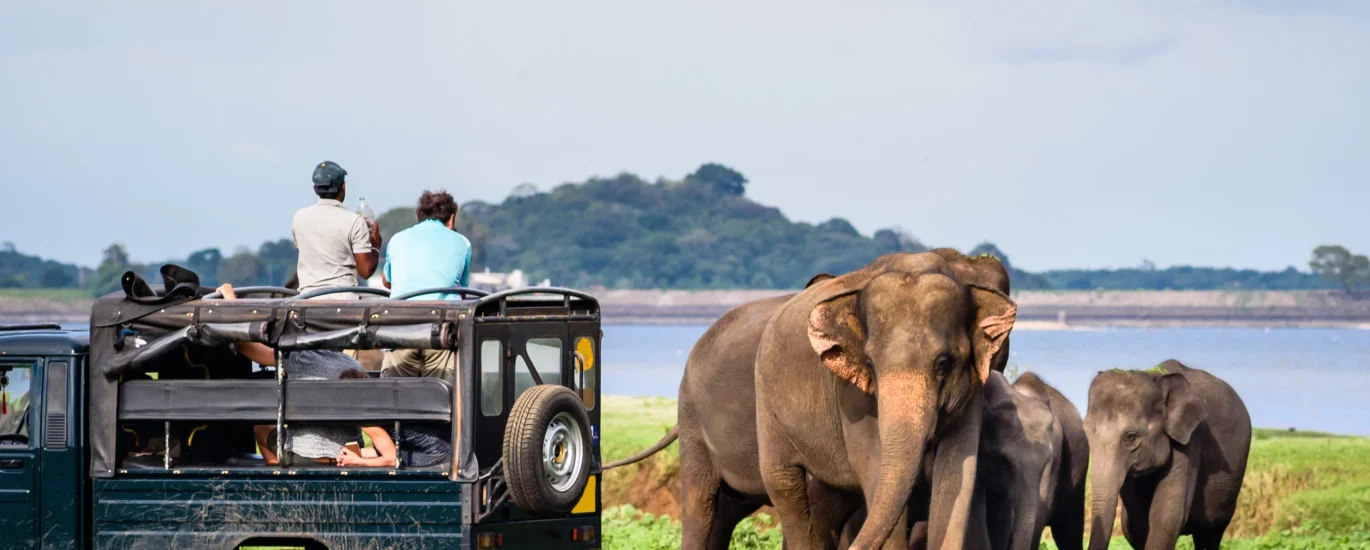
The Brazil Safari Tourism Market is poised for significant expansion over the next decade, driven by increasing global interest in wildlife experiences and Brazil’s unique biodiversity. According to recent market forecasts, the industry’s estimated value in 2025 stands at USD 5.4 billion, with projections to nearly double, reaching USD 10.8 billion by 2035. This impressive growth trajectory represents a compound annual growth rate (CAGR) of 7.2% from 2025 to 2035.
Discover Insights into the Market Request Your Sample Report! https://www.futuremarketinsights.com/reports/sample/rep-gb-21584
Rising Demand for Brazil Safari Tourism Experiences
Safari tourism in Brazil has been gaining momentum as travelers seek authentic and immersive wildlife adventures, particularly in iconic locations such as the Pantanal wetlands, the Amazon rainforest, and the Cerrado savannah. The expanding middle-class population in emerging markets, coupled with an increase in disposable incomes globally, is propelling demand for nature-centric tourism experiences that combine adventure, education, and conservation awareness.
Key Market Drivers Fueling Growth
Several factors are driving the rapid growth of the Brazil Safari Tourism Market:
- Biodiversity and Unique Wildlife Attractions: Brazil’s unparalleled diversity of flora and fauna provides a compelling value proposition for safari tourists. The country is home to thousands of species of birds, mammals, reptiles, and insects, many of which are endemic and can only be observed in their natural habitats in Brazil.
- Government Initiatives and Conservation Efforts: Increased governmental support for sustainable tourism and conservation projects enhances Brazil’s appeal as an eco-tourism destination. Policies aimed at protecting wildlife and preserving natural habitats have led to improved infrastructure and responsible tourism practices.
- Growing Eco-Tourism Awareness: Environmentally conscious travelers are increasingly opting for eco-friendly safari tours that emphasize minimal impact on ecosystems while supporting local communities. This trend is encouraging operators to innovate and offer responsible wildlife tours aligned with sustainability principles.
- Improved Accessibility and Infrastructure: Investments in transportation and hospitality infrastructure, including lodges and guided tour services, have made previously remote regions more accessible to international tourists.
Discover new opportunities and gain transformative insights with our Outdoor Tourism Industry Reports! https://www.futuremarketinsights.com/industry-analysis/outdoor-tourism
Challenges Faced by the Brazil Safari Tourism Market
Despite its promising growth prospects, the Brazil Safari Tourism Market encounters several significant challenges that could impact its development:
- Environmental Degradation and Habitat Loss: Deforestation, illegal mining, and agricultural expansion continue to threaten Brazil’s delicate ecosystems, jeopardizing the natural habitats that are critical for safari tourism. This environmental degradation poses a direct risk to wildlife populations and the authenticity of safari experiences.
- Regulatory and Bureaucratic Hurdles: Complex regulations and lengthy permitting processes can delay the development of new safari projects and infrastructure. Inconsistent enforcement of environmental laws sometimes leads to conflicts between conservation goals and tourism activities.
- Seasonal Variability and Climate Change: Brazil’s safari tourism is highly dependent on seasonal weather patterns. Unpredictable climate changes, such as flooding in the Pantanal or droughts in the Cerrado, can disrupt wildlife behavior and accessibility, reducing the quality and consistency of safari experiences.
- Limited Infrastructure in Remote Areas: Many prime safari destinations remain difficult to access due to underdeveloped transportation and accommodation infrastructure. This limits visitor numbers and restricts economic benefits to local communities.
- Safety and Health Concerns: Safety concerns related to wildlife encounters, remote travel risks, and health issues such as tropical diseases can deter potential tourists from choosing Brazil as a safari destination.
- Impact of Global Economic Uncertainty: Economic downturns, currency fluctuations, and international travel restrictions (such as those witnessed during the COVID-19 pandemic) have the potential to reduce international tourist arrivals, affecting the market’s revenue.
Get Full Access of this Report: https://www.futuremarketinsights.com/reports/brazil-safari-tourism-market
Key Segmentation
By Supplier Type:
The industry is segmented into Airlines, Hotels and Resorts, Tour Operators, Travel Management, and Others.
By Age:
The market is analyzed by age groups: Under 18 years, 18 – 25 years, 26 – 35 years, 36 – 45 years, 46 – 55 years, and Over 55 years.
By Demographic:
The market is segmented into Domestic and International tourists.
By Booking Mode:
The industry includes In-person Booking, Phone Booking, and Online Booking.
About Future Market Insights (FMI)
Future Market Insights, Inc. (ESOMAR certified, recipient of the Stevie Award, and a member of the Greater New York Chamber of Commerce) offers profound insights into the driving factors that are boosting demand in the market. FMI stands as the leading global provider of market intelligence, advisory services, consulting, and events for the Packaging, Food and Beverage, Consumer Technology, Healthcare, Industrial, and Chemicals markets. With a vast team of over 400 analysts worldwide, FMI provides global, regional, and local expertise on diverse domains and industry trends across more than 110 countries.
Contact Us:
Future Market Insights Inc.
Christiana Corporate, 200 Continental Drive,
Suite 401, Newark, Delaware – 19713, USA
T: +1-347-918-3531
For Sales Enquiries: sales@futuremarketinsights.com
Website: https://www.futuremarketinsights.com
LinkedIn| Twitter| Blogs | YouTube