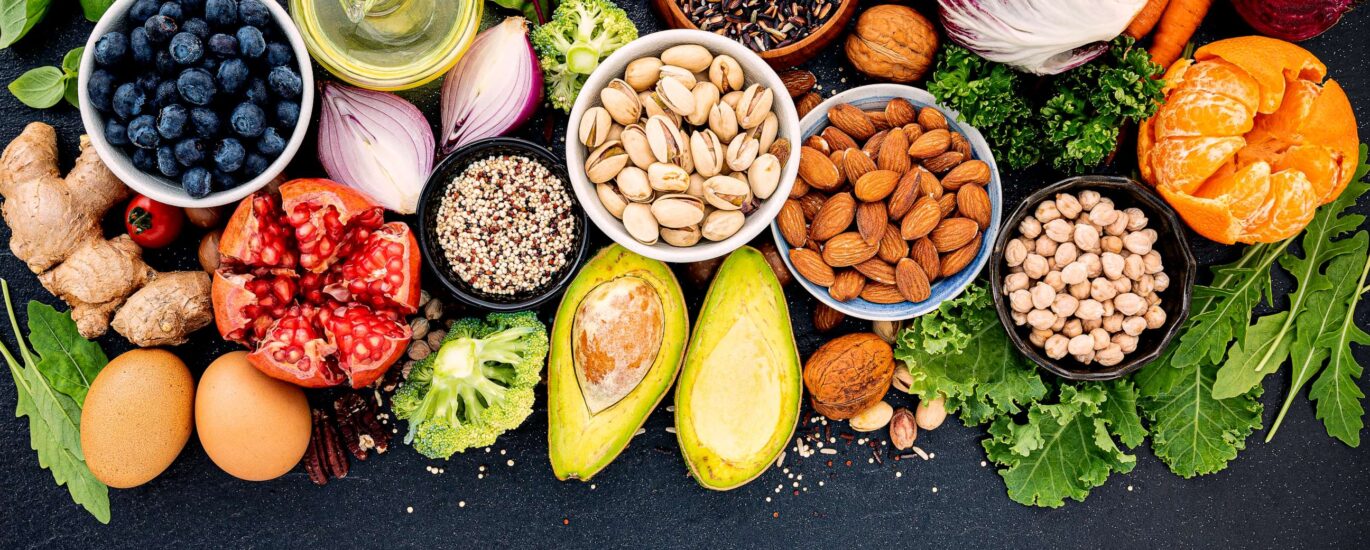
The global plant-based fiber market is on an accelerated growth trajectory, projected to nearly double in size over the next decade. Estimated at USD 7.45 billion in 2025, the market is expected to reach an impressive USD 16.8 billion by 2035, growing at a CAGR of 8.5% during the forecast period. This growth is fueled by rising consumer interest in digestive wellness, clean-label diets, and sustainable food practices.
The increasing prevalence of lifestyle-related disorders such as obesity, type 2 diabetes, and gastrointestinal diseases has compelled consumers to turn to dietary solutions that emphasize preventive care. As a result, plant-based fiber is now a highly sought-after component in functional foods, beverages, and supplements. From bakery items to protein bars, manufacturers are incorporating a wide array of natural fiber ingredients into everyday foods to enhance gut health and meet modern dietary preferences.
.Gain Access to Market Trends: Request Your Sample Report: https://www.futuremarketinsights.com/reports/sample/rep-gb-17383
Market Trends Highlighted
- Digestive Health as a Lifestyle Priority: There is a marked shift toward preventive nutrition, with fiber-enriched products gaining traction as consumers look for solutions to enhance gut health and manage metabolic conditions.
- Clean Labels and Ingredient Transparency: Brands are increasingly reformulating products to replace synthetic additives with high-quality fiber sources, reflecting growing demand for transparency and recognizable ingredient lists.
- Sustainable Sourcing: The utilization of upcycled agricultural residues and locally sourced fibers is helping companies align with eco-conscious consumer expectations and reduce waste in the food system.
- Functional Food Innovation: Fiber is being integrated into novel food forms like dairy alternatives, snack bars, and beverages, where it plays a dual role—nutritional enhancement and texture improvement.
Key Takeaways of the Report
- The global plant-based fiber market is forecast to grow from USD 7.45 billion in 2025 to USD 16.8 billion by 2035, at a CAGR of 8.5%.
- Consumer demand is largely driven by health awareness, especially related to gut health, weight management, and blood sugar control.
- Leading product innovation is being seen in functional foods, clean-label snacks, and fiber-fortified bakery products.
- Fiber-rich food options are expanding across categories such as vegan products, meal replacements, and sports nutrition.
- Government dietary guidelines promoting fiber intake are significantly shaping market direction, especially in Europe and North America.
Soaring Demand for Market Information: Uncover Detailed Trends and Insights in Our Report: https://www.futuremarketinsights.com/reports/plant-based-fiber-market
Regional Market Outlook
- United States (CAGR: 7.2%): Functional food innovation and proactive consumer behavior are driving rapid market growth. High integration of fiber into mainstream foods and strong government dietary messaging further fuel the market.
- United Kingdom (CAGR: 6.8%): Demand is propelled by public health concerns and the rising popularity of plant-based diets. Retail private labels and regulatory support have expanded access to fiber-rich foods.
- France (CAGR: 6.3%): Growth is tied to culinary traditions and clean-label demand. Upcycled and organic fiber sources are leading innovation in gourmet health products.
- Germany (CAGR: 6.5%): Scientific and evidence-based nutrition culture supports specialized fiber applications. The market thrives on sustainability and health labeling transparency.
- Italy (CAGR: 6.1%): Functional fiber is merging with traditional cuisine. Fiber-rich pasta and bakery items are gaining popularity, alongside innovations in prebiotic fibers.
- South Korea (CAGR: 7.5%): High-tech food solutions and the influence of K-wellness have positioned fiber as both a digestive and beauty-enhancing ingredient.
- Japan (CAGR: 7.7%): Traditional high-fiber diets are being modernized with functional foods targeting active lifestyles and the needs of an aging population.
- China (CAGR: 9.8%): The fastest-growing market, driven by urbanization, dietary westernization, and the fusion of TCM (Traditional Chinese Medicine) with modern fiber innovations.
- Australia (CAGR: 6.4%): Strong focus on clean-label and functional food segments. Domestic crops like oats and legumes form the base for plant-based fiber innovations.
- New Zealand (CAGR: 6.2%): Consumer demand for natural, locally-sourced functional foods is propelling the market. High engagement from sports and active lifestyle communities further supports growth.
Competition Outlook
The competitive landscape of the plant-based fiber market is highly dynamic, with global and regional players focusing on product differentiation, R&D investments, and sustainable sourcing to gain an edge. Companies are moving beyond traditional uses of fiber to design custom solutions that address metabolic health, gut microbiota support, and even skin wellness.
Key players are also investing in clean processing technologies, ensuring that fiber integrity and functional benefits are preserved without altering food texture or taste. The market is characterized by:
- Strategic partnerships between ingredient suppliers and food companies to co-develop novel products.
- Private label expansions by retail giants offering affordable, fiber-rich food lines.
- Increasing importance of sustainability credentials, including upcycled ingredients and eco-friendly packaging.
Leading Market Participants
- Cargill
- Archer Daniels Midland (ADM)
- DuPont
- Ingredion Incorporated
- Top Segments in the Plant-based Fiber Market
Stay Ahead of Plant Based and Vegan Food Industry Analysis: https://www.futuremarketinsights.com/industry-analysis/plant-based-and-vegan-food
Segments in the Plant-based Fiber Market
By Material:
By material, the industry is segmented into paper & cardboard, bagasse, linen, hemp, corn starch, wheat straw, and others (jute, bamboo, etc.).
By Packaging Type:
By packaging type, the industry is categorized into boxes & cartons, bags & pouches, films & wraps, tableware, and containers.
By End Use:
By end use, the industry finds applications in food and beverage, personal care and cosmetics, industrial, textiles, electronics and electricals, and others.
By Region:
The industry is geographically segmented into North America, Latin America, Western Europe, Eastern Europe, Asia Pacific Excluding Japan (APEJ), Japan, and The Middle East & Africa (MEA).
About Future Market Insights (FMI)
Future Market Insights, Inc. (ESOMAR certified, recipient of the Stevie Award, and a member of the Greater New York Chamber of Commerce) offers profound insights into the driving factors that are boosting demand in the market. FMI stands as the leading global provider of market intelligence, advisory services, consulting, and events for the Packaging, Food and Beverage, Consumer Technology, Healthcare, Industrial, and Chemicals markets. With a vast team of over 400 analysts worldwide, FMI provides global, regional, and local expertise on diverse domains and industry trends across more than 110 countries.
Contact Us:
Future Market Insights Inc.
Christiana Corporate, 200 Continental Drive,
Suite 401, Newark, Delaware – 19713, USA
T: +1-347-918-3531
For Sales Enquiries: sales@futuremarketinsights.com
Website: https://www.futuremarketinsights.com
LinkedIn| Twitter| Blogs | YouTube