The automotive business process management market will reach USD 55 billion by 2025 and grow to USD 160 billion by 2035, reflecting a CAGR of 11.2% through the forecast period. Key growth drivers are the extensive adoption of AI-enabled workflow automation, real-time data analysis, and cloud-based BPM solutions. Also, investments in automobile-related ecosystems and regulatory requirements for effective automotive processes will drive industry growth.
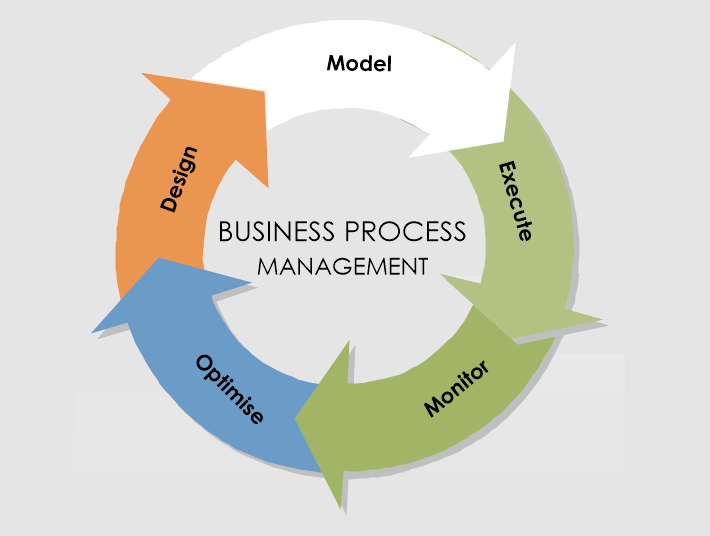
The automotive business process management market is steadily gaining momentum as global manufacturers and suppliers strive to enhance efficiency, reduce operational costs, and remain competitive in an increasingly complex industry. Business process management (BPM) in the automotive sector refers to the structured approach organizations take to analyze, design, execute, monitor, and optimize their internal processes. This holistic management philosophy helps companies streamline operations such as supply chain logistics, production planning, customer relationship management, quality control, and compliance monitoring.
With the automotive industry undergoing a transformative shift toward digitalization and automation, the integration of BPM solutions has become a strategic priority. Companies are now using BPM platforms to identify bottlenecks, improve process visibility, and enable agility across departments. As a result, the automotive business process management market is becoming a vital enabler of smart manufacturing and operational excellence.
Get Sample Report: – https://www.futuremarketinsights.com/reports/sample/rep-gb-1996
The increasing need to manage large volumes of data, ensure regulatory compliance, and deliver personalized customer experiences has also pushed automotive businesses toward adopting comprehensive BPM frameworks. By implementing these systems, organizations can respond more quickly to market changes, supply chain disruptions, and evolving consumer preferences.
Market Trends
One of the most notable trends in the automotive business process management market is the integration of BPM with emerging technologies like artificial intelligence, machine learning, and robotic process automation. These innovations are transforming traditional BPM tools into intelligent platforms capable of predictive analytics, autonomous decision-making, and real-time process optimization. As companies focus on Industry 4.0 initiatives, AI-driven BPM solutions are becoming essential for improving productivity and agility in automotive operations.
Another trend shaping the market is the growing adoption of cloud-based BPM solutions. Automotive companies are leveraging cloud technologies to ensure scalability, reduce upfront IT investments, and support remote collaboration across multiple locations. Cloud-based BPM tools offer the flexibility needed to manage complex supply chains and multi-tier manufacturing environments efficiently.
The shift toward electric vehicles (EVs) and sustainable mobility is also influencing the automotive business process management market. As companies reconfigure their manufacturing processes to accommodate new vehicle architectures and battery technologies, BPM tools play a crucial role in aligning operations with sustainability goals and regulatory standards.
Furthermore, the demand for seamless customer experiences has led to a focus on front-end process optimization. Automotive retailers and service providers are deploying BPM platforms to improve customer engagement, streamline aftersales services, and ensure faster response times. These trends collectively indicate a growing reliance on BPM as a strategic asset in the evolving automotive landscape.
Challenges and Opportunities
While the automotive business process management market presents significant growth potential, it also faces a range of challenges. One of the primary obstacles is the high cost and complexity of implementing BPM solutions across large, distributed enterprises. Automotive companies must invest in training, integration, and change management to fully realize the benefits of BPM, which can deter smaller players or delay adoption.
Resistance to organizational change is another major challenge. Many traditional automotive firms still rely on legacy systems and rigid workflows, making it difficult to introduce the cultural and structural shifts required for effective BPM adoption. Aligning diverse departments and stakeholders around new processes demands strong leadership and continuous communication.
However, these challenges create ample opportunities for innovation and growth within the automotive business process management market. Vendors offering user-friendly and customizable BPM tools that integrate seamlessly with existing IT infrastructure can gain a competitive advantage. The emergence of low-code and no-code platforms is also reducing the barrier to entry, allowing non-technical users to participate in process improvement initiatives.
The automotive industry’s increasing focus on data-driven decision-making presents another opportunity. BPM platforms equipped with advanced analytics and dashboard functionalities enable real-time performance monitoring and rapid course correction. As companies seek to become more agile and customer-centric, the demand for such data-enabled BPM systems is expected to rise.
Key Points
A key driver of growth in the automotive business process management market is the pressing need for operational efficiency. Automotive manufacturers operate within tight margins and fierce global competition, making process optimization essential for survival. BPM systems help identify redundancies, reduce waste, and optimize resource allocation, ultimately contributing to cost savings and profitability.
Digital transformation is another key point propelling market growth. As the automotive industry becomes more digitally integrated, BPM platforms serve as the backbone for orchestrating digital workflows, automating manual tasks, and ensuring process compliance. Companies that successfully implement BPM are better positioned to innovate and respond swiftly to technological disruptions.
Additionally, regulatory compliance and risk management are significant factors influencing BPM adoption. With the increasing complexity of environmental regulations, safety standards, and trade policies, automotive businesses require systems that ensure consistency and traceability in compliance processes. BPM tools provide the framework for documenting procedures, maintaining audit trails, and managing exceptions effectively.
Finally, customer expectations are redefining how automotive companies manage their processes. In an age where consumers demand fast service, real-time updates, and personalized experiences, BPM plays a crucial role in aligning internal operations with customer-facing activities to deliver a seamless journey from inquiry to delivery.
Key Regional Insights
The automotive business process management market demonstrates strong regional variation, with North America, Europe, and Asia-Pacific being the dominant players. North America leads in terms of technological adoption, with a high concentration of BPM solution providers and automotive OEMs embracing digital transformation. The U.S. in particular has a mature market where both established companies and startups actively invest in innovative BPM tools.
Europe follows closely, with Germany, France, and the UK emerging as key markets. Germany’s position as a global automotive hub has driven significant investment in process automation and smart manufacturing practices. European automotive companies also place a strong emphasis on environmental regulations, further fueling the need for efficient BPM systems to ensure compliance and sustainability.
Asia-Pacific represents the fastest-growing region in the automotive business process management market. The rapid industrialization and expansion of automotive manufacturing in countries like China, India, South Korea, and Japan are driving demand for scalable BPM solutions. As regional players strive to compete on the global stage, they are increasingly investing in digital tools that can improve productivity and operational excellence.
Other regions such as Latin America and the Middle East & Africa are showing gradual progress, supported by increased investment in automotive infrastructure and technology. While these regions face challenges such as limited digital readiness and economic volatility, they offer untapped potential for BPM providers looking to expand their footprint.
Competitive Outlook
The competitive landscape of the automotive business process management market is characterized by a mix of global enterprise software vendors, cloud service providers, and specialized BPM firms. Companies compete on the basis of innovation, scalability, integration capabilities, and industry-specific features. As the market matures, strategic collaborations and mergers are becoming common to expand product portfolios and enhance market reach.
Leading vendors are continuously enhancing their platforms with AI, analytics, and automation features to meet the evolving needs of the automotive sector. The focus is shifting from generic BPM tools to vertical-specific solutions tailored to automotive use cases such as inventory management, assembly line coordination, and quality assurance.
Customer support and implementation services are also key differentiators. Vendors offering strong onboarding, training, and customization support are better positioned to win long-term contracts with automotive enterprises. As competition intensifies, the emphasis is on delivering measurable ROI and continuous value through regular updates and innovation.
Top Companies
Several top companies are shaping the future of the automotive business process management market. SAP, with its enterprise-grade BPM solutions, remains a dominant player, providing end-to-end process management tailored to automotive manufacturing and supply chain operations. Oracle is another major name, offering integrated BPM tools within its cloud infrastructure ecosystem, helping clients improve visibility and control.
IBM continues to be a key player with its suite of BPM and automation tools, backed by AI and cognitive analytics. Microsoft, through its Power Platform and Dynamics 365 offerings, provides low-code BPM capabilities for organizations seeking agility and ease of use. Appian and Pegasystems are well-regarded for their customizable BPM suites and strong process modeling capabilities.
Other notable names include Bizagi, Bonitasoft, and Nintex, each offering specialized solutions for automotive workflows, compliance management, and digital transformation. These companies focus on innovation, user experience, and strategic partnerships to differentiate themselves in a competitive market.
Explore In-Depth Analysis-Click Here to Access the Report:- https://www.futuremarketinsights.com/reports/automotive-business-process-management-marketSegmentation Outlook
The automotive business process management market can be segmented by deployment type, organization size, application area, and end-user. Deployment type includes on-premise and cloud-based solutions, with cloud deployments gaining popularity due to flexibility and lower upfront costs. On-premise systems, however, remain relevant for organizations requiring greater control over data and customization.
By organization size, both large enterprises and small-to-medium-sized businesses (SMBs) are adopting BPM, though their needs and budgets differ. Larger firms tend to invest in comprehensive, integrated platforms, while SMBs often prefer modular and scalable solutions.
Application areas include manufacturing process optimization, supply chain management, customer relationship management, quality assurance, and compliance monitoring. These applications reflect the broad utility of BPM across the automotive value chain.
End-users span automotive OEMs, component manufacturers, dealerships, logistics providers, and service centers. Each segment has unique process challenges that BPM solutions are designed to address, from product development cycles to vehicle servicing and warranty management.
About Future Market Insights (FMI)
Future Market Insights, Inc. (ESOMAR certified, recipient of the Stevie Award, and a member of the Greater New York Chamber of Commerce) offers profound insights into the driving factors that are boosting demand in the market. FMI stands as the leading global provider of market intelligence, advisory services, consulting, and events for the Packaging, Food and Beverage, Consumer Technology, Healthcare, Industrial, and Chemicals markets. With a vast team of over 400 analysts worldwide, FMI provides global, regional, and local expertise on diverse domains and industry trends across more than 110 countries.
Contact Us:
Future Market Insights Inc.
Christiana Corporate, 200 Continental Drive,
Suite 401, Newark, Delaware – 19713, USA
T: +1-347-918-3531
For Sales Enquiries: sales@futuremarketinsights.com
Website: https://www.futuremarketinsights.com
LinkedIn| Twitter| Blogs | YouTube