The global wearable medical device industry size is likely to generate sales amounting to USD 38.5 billion in 2024. Over the assessment period from 2024 to 2034, the wearable medical device market CAGR is projected to expand to 8.2%, culminating in a market size of USD 84.8 billion by the end of 2034.
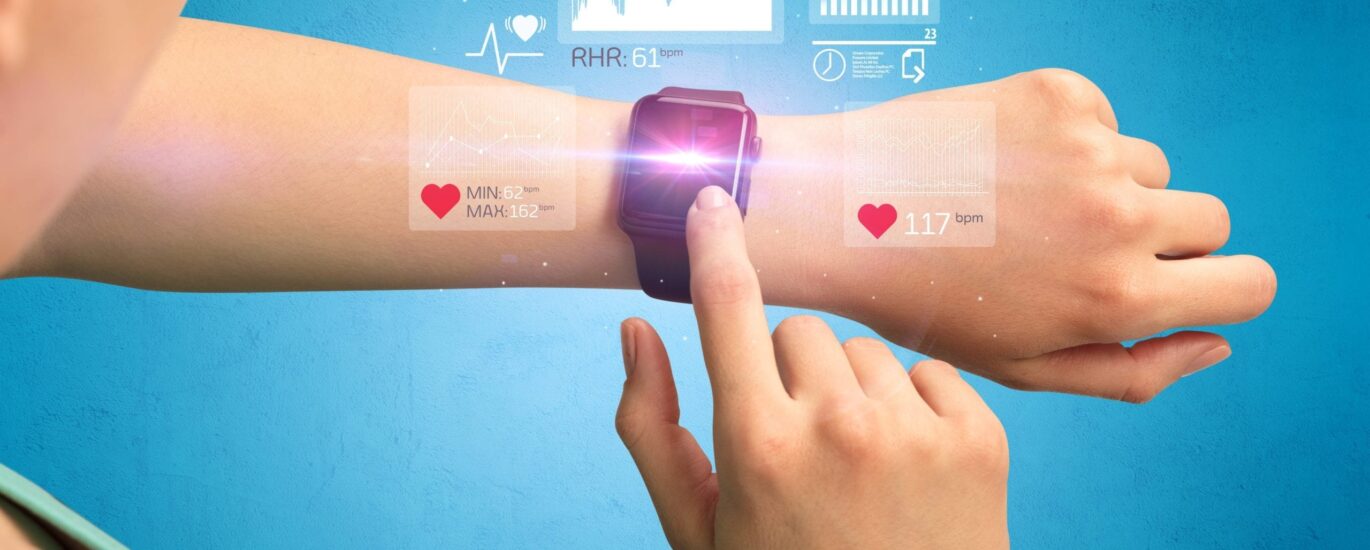
The wearable medical device market has seen transformative growth over the past decade, driven by increasing health awareness and rapid technological advancement. These devices, designed to be worn on the body, provide real-time health monitoring and data collection, enhancing patient care and facilitating early disease detection. As the global healthcare landscape shifts towards preventive and personalized medicine, the demand for wearable medical devices continues to surge. From fitness trackers to advanced biosensors and smartwatches capable of monitoring ECG and glucose levels, wearable medical technology has become integral to modern healthcare solutions.
The expansion of the wearable medical device market is also fueled by the growing burden of chronic diseases, aging populations, and the need for continuous health monitoring. These devices offer patients and healthcare providers unprecedented access to vital health metrics, contributing to improved disease management and reduced hospital visits. Additionally, the integration of artificial intelligence (AI) and data analytics with wearable technology further enhances diagnostic accuracy and treatment outcomes, making these devices an essential component in healthcare ecosystems.
Get Sample Report: – https://www.futuremarketinsights.com/reports/sample/rep-gb-826
Market Trends
Several significant trends are currently shaping the wearable medical device market. One prominent trend is the shift toward remote patient monitoring. With healthcare systems worldwide facing resource constraints, remote monitoring solutions powered by wearable devices help bridge gaps in care delivery. These devices provide patients with autonomy while ensuring that healthcare providers can intervene promptly when necessary.
Another emerging trend is the miniaturization of sensors and the advancement in battery technologies. Modern wearable medical devices are becoming more compact and user-friendly, encouraging broader adoption among various age groups. In addition, wearable devices are increasingly being designed with aesthetic appeal in mind, making them more acceptable for everyday use.
Interoperability and connectivity also represent a growing trend. Devices now commonly integrate with smartphones, cloud platforms, and electronic health records (EHRs), providing seamless data sharing between patients and healthcare professionals. This trend enhances patient engagement and fosters a more collaborative approach to healthcare.
Driving Forces Behind Market Growth
Several key drivers are fueling the growth of the wearable medical device market. Firstly, the increasing prevalence of chronic diseases such as diabetes, cardiovascular disorders, and respiratory conditions has created a pressing need for continuous health monitoring. Wearable medical devices provide the ability to track critical parameters like heart rate, glucose levels, and blood oxygen saturation in real time, offering significant value in managing chronic conditions.
Secondly, the aging global population is a major contributor to market growth. Older adults are more likely to develop chronic illnesses that require regular monitoring, and wearable medical devices provide a convenient and non-invasive solution. Furthermore, the proliferation of smartphones and digital technologies has laid a strong foundation for wearable medical devices, which often rely on mobile connectivity for data transmission and analysis.
Thirdly, consumer awareness and interest in personal health and wellness have never been higher. This societal shift toward proactive health management has led to increased adoption of wearable technology not only among patients but also among health-conscious individuals seeking to maintain a healthy lifestyle.
Challenges and Opportunities
Despite its promising trajectory, the wearable medical device market is not without its challenges. Data privacy and security are among the top concerns. These devices collect vast amounts of sensitive health data, making them potential targets for cyberattacks. Ensuring robust data encryption and compliance with healthcare regulations like HIPAA and GDPR is critical to maintaining user trust.
Another challenge lies in the integration of wearable devices with existing healthcare infrastructures. Many healthcare systems still face interoperability issues, limiting the effective use of data generated by wearable devices. Additionally, the clinical validation of new wearable technologies remains a hurdle, as regulatory approvals can be time-consuming and costly.
However, these challenges also present opportunities. Companies investing in secure, interoperable platforms stand to gain a competitive edge. Moreover, advancements in machine learning and AI present opportunities to derive deeper insights from wearable data, enabling predictive analytics and personalized care recommendations. As telemedicine continues to expand, the integration of wearable medical devices will become increasingly vital, opening up new avenues for growth and innovation.
Recent Industry Developments
- Recent years have seen a flurry of innovation in the wearable medical device market. Major players have launched devices with enhanced functionalities such as non-invasive glucose monitoring, real-time ECG tracking, and advanced sleep analysis. Startups and tech giants alike are investing heavily in research and development to bring next-generation devices to market.
- In addition to hardware innovations, there has been a significant push towards improving software platforms that support wearable devices. AI-powered applications that can analyze user data and provide actionable health insights are becoming more prevalent. Partnerships between healthcare providers, technology firms, and pharmaceutical companies are also increasing, with collaborative efforts focused on creating holistic health management ecosystems.
- COVID-19 further accelerated the development and adoption of wearable medical devices, especially for remote monitoring of infected or at-risk individuals. The pandemic highlighted the need for non-contact monitoring tools, leading to increased funding and regulatory support for wearable health technologies.
Regional Analysis
Geographically, North America currently dominates the wearable medical device market, owing to its advanced healthcare infrastructure, high adoption of digital health solutions, and presence of leading market players. The United States, in particular, has witnessed rapid uptake of wearable technologies, driven by consumer interest and supportive regulatory frameworks.
Europe follows closely, with countries like Germany, the United Kingdom, and France embracing wearable medical devices for both clinical and personal use. The region benefits from strong government support for digital health initiatives and a growing emphasis on preventive care.
The Asia-Pacific region is expected to experience the fastest growth in the coming years. Rising healthcare expenditure, increasing smartphone penetration, and a growing middle-class population contribute to the expansion of the wearable medical device market in countries like China, India, and Japan. Moreover, local companies are actively entering the market, often offering cost-effective alternatives to Western products.
Explore In-Depth Analysis-Click Here to Access the Report:- https://www.futuremarketinsights.com/reports/wearable-medical-devices-market
Competitive Outlook
The wearable medical device market is highly competitive and characterized by rapid technological advancements. Key players are consistently striving to differentiate their products through innovation, user-centric design, and strategic partnerships. Companies are also focusing on expanding their global presence by entering emerging markets and forming collaborations with local distributors and healthcare providers.
Mergers and acquisitions are becoming increasingly common as larger firms seek to acquire startups with promising technologies. This competitive environment fosters innovation but also raises the bar for new entrants who must deliver exceptional value to carve out a niche in the market.
Customer loyalty and brand reputation play a significant role in this industry. Consumers often prefer well-established brands that are known for quality and reliability. Therefore, investment in marketing, user experience, and post-sale support is essential for long-term success.
Top Companies
Several companies are currently leading the wearable medical device market. Firms such as Medtronic, Philips Healthcare, Abbott Laboratories, and Dexcom have established strong positions through their diversified product portfolios and consistent innovation. Apple and Samsung, traditionally known for consumer electronics, have also made significant inroads into the healthcare sector with their smartwatches offering advanced medical features.
Emerging companies like Fitbit (now owned by Google), Garmin, and BioTelemetry are also playing pivotal roles in the wearable medical device space. These companies often focus on specific niches such as fitness tracking or cardiac monitoring, enabling them to cater to targeted customer needs effectively.
Startups and regional players are adding to the dynamic landscape by introducing novel solutions and challenging established norms. As competition intensifies, companies that can seamlessly blend technology with healthcare needs are likely to thrive in the evolving market.
Segmentation Outlook
The wearable medical device market can be segmented based on product type, application, and end-user. Product-wise, the market includes diagnostic devices such as heart rate monitors, pulse oximeters, and sleep monitors, as well as therapeutic devices like insulin pumps and pain management wearables. Diagnostic wearables currently hold a larger market share due to their widespread use and integration into wellness routines.
In terms of application, wearable medical devices are used for sports and fitness, remote patient monitoring, and home healthcare. Remote patient monitoring is expected to witness the highest growth rate as healthcare systems continue to emphasize out-of-hospital care.
By end-user, the market caters to hospitals and clinics, homecare settings, and individual consumers. While clinical settings remain important, consumer adoption is on the rise, driven by increasing health awareness and technological familiarity.
About Future Market Insights (FMI)
Future Market Insights, Inc. (ESOMAR certified, recipient of the Stevie Award, and a member of the Greater New York Chamber of Commerce) offers profound insights into the driving factors that are boosting demand in the market. FMI stands as the leading global provider of market intelligence, advisory services, consulting, and events for the Packaging, Food and Beverage, Consumer Technology, Healthcare, Industrial, and Chemicals markets. With a vast team of over 400 analysts worldwide, FMI provides global, regional, and local expertise on diverse domains and industry trends across more than 110 countries.
Contact Us:
Future Market Insights Inc.
Christiana Corporate, 200 Continental Drive,
Suite 401, Newark, Delaware – 19713, USA
T: +1-347-918-3531
For Sales Enquiries: sales@futuremarketinsights.com
Website: https://www.futuremarketinsights.com
LinkedIn| Twitter| Blogs | YouTube