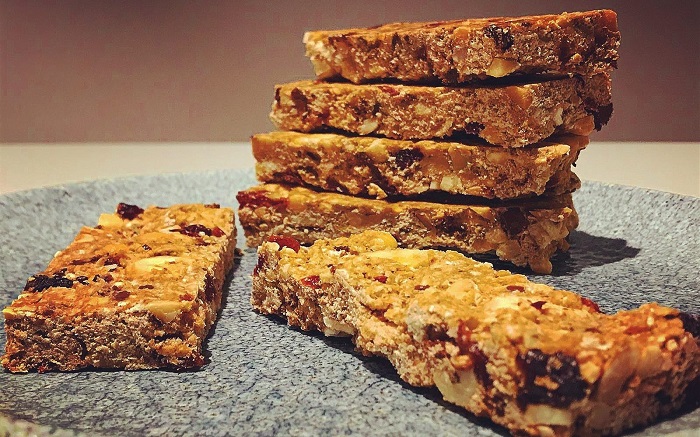
The Vegan Protein Bars Market is poised for robust expansion, projected to grow at a compound annual growth rate (CAGR) of 17.8% over the forecast period. The market is expected to rise from USD 1,054.7 million in 2025 to a staggering USD 5,427.4 million by 2035. This upward trajectory is driven by the global surge in demand for functional, clean-label snacks that align with plant-based nutrition and active lifestyles.
The increasing preference for plant-based diets is significantly contributing to the growth of this market. Consumers are turning to vegan protein bars made from pea, rice, hemp, quinoa, and pumpkin seed proteins due to their perceived health benefits. These include better digestion, weight management, and reduced risk of chronic illness. As more individuals seek convenient, on-the-go sources of vegan nutrition, the demand for these bars continues to accelerate, especially among fitness enthusiasts, health-conscious millennials, and ethical consumers.
Stay Informed – Request a Sample Copy for Exclusive Insights: https://www.futuremarketinsights.com/report-sample#5245502D47422D3131363536
Key Takeaways:
- The market is projected to grow at 17.8% CAGR, reaching USD 5.4 billion by 2035.
- Major protein sources include pea, rice, hemp, quinoa, mung bean, and pumpkin seed.
- Growth is spurred by plant-based trends, fitness culture, clean labeling, and sustainability demands.
- North America, Europe, and Asia-Pacific are key growth regions.
- Innovation in flavor, texture, packaging, and certifications is shaping competition.
Market Dynamics:
Drivers:
- Rising consumer interest in plant-based and clean-label nutrition.
- Increasing gym memberships, sports culture, and wellness awareness.
- Supportive regulations around non-GMO, allergen-free, and eco-friendly food products.
- Influence of vegan influencers, athletes, and celebrities endorsing plant-forward snacking.
Restraints:
- Higher product cost compared to conventional protein bars.
- Taste and texture limitations in early-stage formulations.
- Limited consumer awareness in some developing regions.
Opportunities:
- Expansion in e-commerce and subscription-based protein snack models.
- Technological advancements in protein extraction and food tech innovation.
- Regional customization and local ingredient sourcing.
Recent Developments in the Market:
- Clif Bar & Company recently launched a new range of high-protein vegan bars in North America aimed at athletes.
- Nestlé-owned Garden of Life has expanded its vegan protein snack line into the UK and Germany with new clean-label SKUs.
- South Korean startups are using AI-based nutritional modeling to customize plant-based snack bars for individuals.
- Japan’s Asahi Group has introduced matcha and sesame-infused protein bars targeting local taste preferences.
- Unilever has announced plans to acquire a plant-based snack brand to increase its presence in the vegan functional foods market.
Key Benefits for Stakeholders:
- Manufacturers gain access to a rapidly expanding and innovation-friendly market.
- Retailers benefit from premium pricing and increased shelf space.
- Investors can tap into a high-growth sector driven by health and sustainability trends.
- Consumers receive convenient, ethical, and health-aligned nutrition options.
- Policy makers find alignment with food sustainability and clean-eating initiatives.
Gain Full Market Perspective – Get the Full Report Today: https://www.futuremarketinsights.com/reports/vegan-protein-bars-market
Competitive Analysis:
The market is moderately fragmented, with several multinational and emerging players investing in innovation, sustainability, and brand positioning.
Key Players Include:
- Clif Bar & Company
- RXBAR (Kellogg’s)
- Vega (Danone)
- Garden of Life (Nestlé)
- No Cow
- BHU Foods
- ProBar LLC
- Orgain Inc.
- GoMacro
- Amrita Health Foods
These players compete on product differentiation through natural ingredients, protein variety, sugar reduction, allergen-free formulations, and eco-friendly packaging. Regional startups and niche players are also capturing market share by responding to local taste preferences and lifestyle trends.
Country-wise Market Analysis:
United States (CAGR: 18.2%)
With a booming fitness culture and the highest global demand, the U.S. leads the vegan protein bar market. Brands are launching high-protein, low-sugar bars aimed at gym-goers and millennials. California and Texas are hotspots for innovation using pea, hemp, and brown rice protein. E-commerce and clean-label trends further drive growth.
United Kingdom (CAGR: 17.6%)
The UK market benefits from strong sustainability values and health-oriented snacking. Consumers favor bars with oat, quinoa, and pumpkin seed protein. Retailers like Waitrose and Ocado promote private-label offerings, while vegan influencers and sports personalities drive brand engagement.
European Union (CAGR: 17.9%)
EU countries are adopting vegan bars in alignment with Green Deal initiatives and food labeling regulations. Germany, Sweden, and the Netherlands lead in producing soy-free, allergen-friendly bars. The EU push for recyclable packaging and organic labeling supports further expansion.
Japan (CAGR: 17.3%)
Japan’s aging population and fitness-focused youth are fueling demand for compact, nutritious vegan bars. Native ingredients like adzuki beans and matcha give local brands a cultural edge. Government-backed wellness programs and premium packaging contribute to a thriving niche market.
South Korea (CAGR: 18.0%)
Driven by wellness trends and K-pop celebrity endorsements, South Korea is seeing rapid adoption of mung bean, soy, and pumpkin seed bars. The popularity of personalized nutrition, combined with government support for plant-based food innovation, positions South Korea as a fast-emerging market.
Explore Plant Based and Vegan Food Industry Analysis: https://www.futuremarketinsights.com/industry-analysis/plant-based-and-vegan-food
Vegan Protein Bars Market Segmentation
By Nature:
- Organic
- Conventional
By Flavor:
- Chocolate-Vanilla
- Chocolate-Caramel
- Peanut Butter
- Cherry Cashew
- Fruit & Nut
- Hazelnuts
- Others
By Ingredient Type:
- Soy
- Pea
- Nuts
- Hemp
- Others
By Distribution Channel:
- Convenience Stores
- Hypermarkets/Supermarkets
- Traditional Grocery Stores
- Drug Stores & Pharmacies
- Health & Wellness Stores
- Online Retailing
By Region:
- North America
- Latin America
- Western Europe
- Eastern Europe
- East Asia
- South Asia Pacific
- Middle East and Africa
About Future Market Insights (FMI)
Future Market Insights, Inc. (ESOMAR certified, recipient of the Stevie Award, and a member of the Greater New York Chamber of Commerce) offers profound insights into the driving factors that are boosting demand in the market. FMI stands as the leading global provider of market intelligence, advisory services, consulting, and events for the Packaging, Food and Beverage, Consumer Technology, Healthcare, Industrial, and Chemicals markets. With a vast team of over 400 analysts worldwide, FMI provides global, regional, and local expertise on diverse domains and industry trends across more than 110 countries.
Contact Us:
Future Market Insights Inc.
Christiana Corporate, 200 Continental Drive,
Suite 401, Newark, Delaware – 19713, USA
T: +1-347-918-3531
For Sales Enquiries: sales@futuremarketinsights.com
Website: https://www.futuremarketinsights.com
LinkedIn| Twitter| Blogs | YouTube