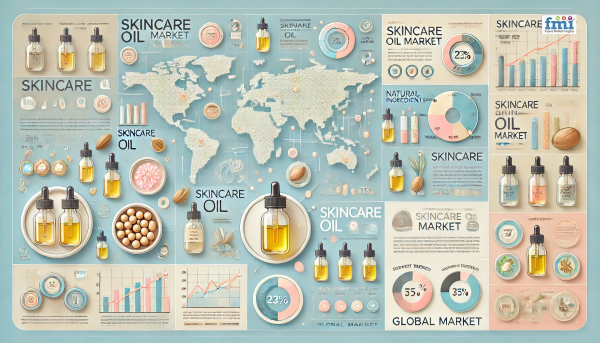
The global skincare oil market is witnessing a remarkable rise, driven by increasing consumer demand for natural and effective skincare solutions. Valued at USD 19.91 billion in 2024, the market is expected to expand significantly as clean beauty trends continue to reshape consumer preferences. With a growing shift toward organic, multifunctional products, the skincare oil sector has become a key player within the broader beauty and personal care industry.
As consumers increasingly seek natural alternatives for skin nourishment, rejuvenation, and overall wellness, the skincare oil market is projected to grow at a CAGR of 6.3% from 2024 to 2034. By 2034, the market is expected to reach a value of USD 34.56 billion, reflecting the ongoing shift toward eco-conscious and ingredient-focused beauty products.
Unlock exclusive insights – Request your sample report! https://www.futuremarketinsights.com/report-sample#5245502d47422d3138373733
The Rising Popularity of Skincare Oils: A Natural Beauty Revolution
In recent years, there has been a notable shift in consumer preferences toward using natural skincare oils instead of synthetic alternatives. This change is largely driven by growing concerns about the adverse effects of chemical-based products, combined with an increasing awareness of the benefits that natural oils offer for skin health. Ingredients such as argan oil, jojoba oil, rosehip oil, and tea tree oil have become household names, thanks to their ability to hydrate, balance, and restore skin.
According to market research, organic skincare oils are becoming highly sought after, with consumers gravitating toward products that offer anti-aging, anti-inflammatory, and moisturizing benefits. These products cater to a wide range of skin concerns, from dryness and acne to signs of aging and skin irritation. This demand is expected to drive the growth of the skincare oil market globally, with consumers prioritizing natural, plant-based ingredients in their skincare routines.
Drivers of Market Growth in the Skincare Oil Industry
Several factors are contributing to the expansion of the skincare oil market. One of the key drivers is the rising awareness regarding the benefits of incorporating oils into daily skincare routines. Oils like vitamin E oil, coconut oil, and squalane are celebrated for their deep moisturizing properties, making them suitable for dry, sensitive, and aging skin types. The demand for anti-aging skincare oils is also on the rise as consumers look for non-invasive alternatives to maintain youthful, radiant skin.
Moreover, the growing trend of clean beauty products and sustainable beauty solutions is also shaping the market. With increasing consumer interest in eco-friendly and cruelty-free products, brands are focusing on producing high-quality, sustainably sourced oils. This trend is further reinforced by the rise of ethical beauty influencers and advocates who are encouraging consumers to opt for products that align with their personal values and environmental concerns.
Uncover new possibilities—explore groundbreaking insights and opportunities with our Beauty & Wellness Industry Reports! https://www.futuremarketinsights.com/industry-analysis/beauty-and-wellness
Regional Insights
- North America: The North American skincare oil market is growing, driven by a strong demand for organic and clean beauty products, particularly in the United States.
- Europe: In Europe, the market thrives on the demand for eco-friendly, luxury, and organic skincare oils, with countries like the UK, France, and Germany leading the trend.
- Asia-Pacific: Asia-Pacific is rapidly expanding, with increasing interest in natural oils, especially Ayurvedic and K-beauty oils, particularly in China, Japan, and India.
- Latin America: In Latin America, countries like Brazil and Mexico are embracing natural and organic skincare oils, fueled by rising consumer awareness.
- Middle East & Africa: The Middle East and Africa market is growing, particularly in the GCC region, with a strong demand for luxurious, traditional oils like argan oil.
Challenges Faced by the Skincare Oil Market
- Rising Raw Material Costs: The volatility in the prices of key ingredients, such as argan oil and rosehip oil, can disrupt production costs and increase the price of skincare oils, making them less affordable for consumers.
- Supply Chain Disruptions: The skincare oil industry is heavily reliant on the sourcing of natural ingredients from specific regions. Any disruption in the supply chain, due to factors like climate change or geopolitical instability, can impact product availability.
- Regulatory Hurdles: With the increasing demand for natural and organic products, companies must comply with complex regulations in different regions regarding ingredient sourcing, labeling, and product claims, which can be time-consuming and costly.
- Intense Competition: The market is highly competitive, with both established brands and new entrants constantly innovating. Smaller brands may struggle to compete with larger companies that have greater resources for marketing and distribution.
Key Companies Profiled
- Shiseido
- Procter & Gamble Co.
- Burberry Group Plc.
- Unilever
- L’Oréal
- Beiersdorf AG
- Avon Products, Inc.
- Estée Lauder Companies
- Amway; Chanel S.A.
- Johnson & Johnson
- Chatters Canada
- Kao Corporation
Get Full Access of this Report: https://www.futuremarketinsights.com/reports/skincare-oil-market
Market Segmentation
By Product Type:
- Facial Oils: The largest segment, driven by demand for anti-aging, hydration, and skin rejuvenation.
- Body Oils: Popular for moisturizing and improving skin texture.
- Hair Oils: Gaining traction for nourishing and enhancing hair health.
By Ingredient Type:
- Natural Oils: Includes popular oils like argan, jojoba, and rosehip.
- Essential Oils: Used for therapeutic and aromatherapy benefits.
- Blended Oils: Combination of different oils for multi-functional benefits.
By Distribution Channel:
- Online Retail: Growing rapidly due to convenience and wider product selection.
- Offline Retail: Beauty stores, pharmacies, and supermarkets remain key distribution points.
By End-User:
- Women: Dominates the market due to higher skincare product usage.
- Men: Growing interest in skincare oils for hydration, grooming, and anti-aging.
About Future Market Insights (FMI)
Future Market Insights, Inc. (ESOMAR certified, recipient of the Stevie Award, and a member of the Greater New York Chamber of Commerce) offers profound insights into the driving factors that are boosting demand in the market. FMI stands as the leading global provider of market intelligence, advisory services, consulting, and events for the Packaging, Food and Beverage, Consumer Technology, Healthcare, Industrial, and Chemicals markets. With a vast team of over 400 analysts worldwide, FMI provides global, regional, and local expertise on diverse domains and industry trends across more than 110 countries.
Contact Us:
Future Market Insights Inc.
Christiana Corporate, 200 Continental Drive,
Suite 401, Newark, Delaware – 19713, USA
T: +1-347-918-3531
For Sales Enquiries: sales@futuremarketinsights.com
Website: https://www.futuremarketinsights.com
LinkedIn| Twitter| Blogs | YouTube