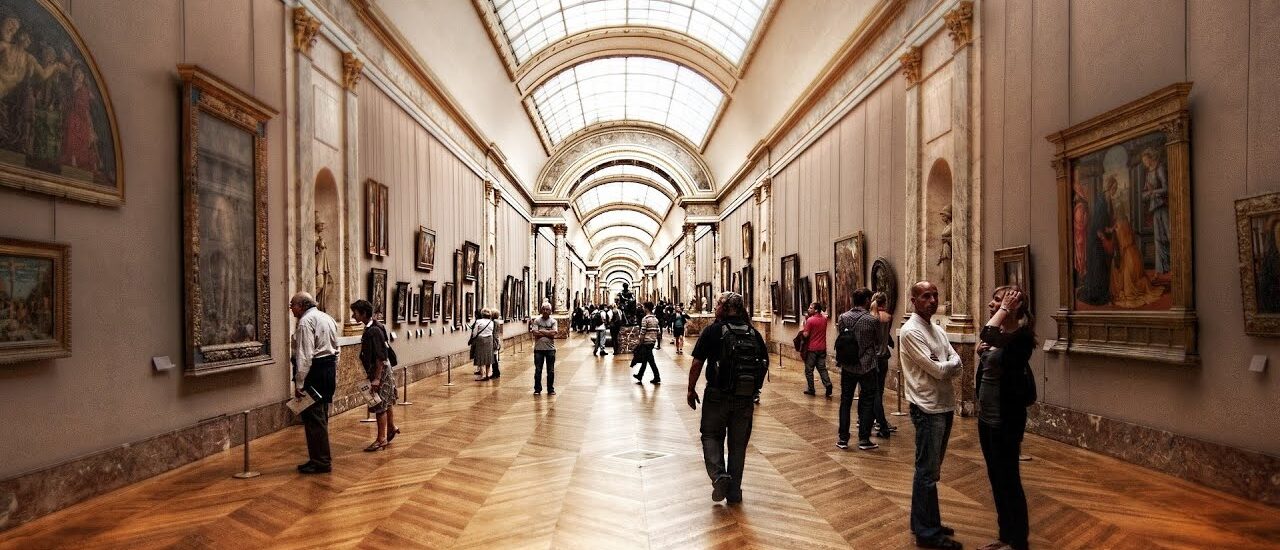
The global Museums Tourism Market, valued at USD 25.2 billion in 2023, is experiencing significant growth as more travelers seek cultural and historical experiences. Museums, which serve as hubs of heritage and education, have become leading tourist attractions. The market encompasses various destinations, including traditional art galleries, archaeological sites, science museums, historical landmarks, and interactive exhibitions. This growth is driven by rising disposable incomes, increased demand for cultural travel, and a growing desire to engage with history and art in immersive ways.
Forecasted to reach USD 74.8 billion by 2033, the market is projected to grow at a compound annual growth rate (CAGR) of 11.5% from 2023 to 2033. Key factors fueling this expansion include greater investments in museum infrastructure, the integration of cutting-edge technology, and a rising focus on sustainable tourism practices. Museums are adapting to evolving tourist preferences by offering engaging, digital experiences, attracting diverse audiences and positioning themselves as vital players in the broader tourism industry.
Key Drivers
- Increasing Cultural Tourism: A rising interest in cultural and heritage tourism, particularly in emerging markets, is spurring demand for museums as tourist destinations.
- Technological Integration: Augmented reality (AR), virtual reality (VR), and digital displays are making museum experiences more engaging, attracting younger and tech-savvy visitors.
- Personalized Experiences: Museums are increasingly offering tailored experiences to suit different demographics, from children to history enthusiasts, helping to boost foot traffic and attendance.
- Growing Awareness and Education: The importance of museums in educating the public about history, art, and science is increasingly recognized, motivating more tourists to visit these venues.
Diverse Applications of Museums in Tourism
The Museums Tourism Market spans across various sectors, including:
- Art Museums: Major art institutions in cities like Paris, London, and New York attract millions of visitors annually.
- History Museums: Sites such as the British Museum or the Smithsonian Institution attract visitors who wish to delve into human history.
- Science and Technology Museums: Interactive displays in science museums like the Exploratorium in San Francisco promote education through hands-on learning.
- Natural History Museums: Exhibits focusing on the environment, paleontology, and human evolution are increasingly popular with tourists.
- Specialty Museums: This category includes niche museums dedicated to specific topics like fashion, film, or automobiles, which attract a more targeted audience.
Recent Trends
- Virtual Museum Experiences: Many museums have embraced digital transformation, offering online and virtual tours for global audiences, especially after the COVID-19 pandemic.
- Interactive and Immersive Exhibits: Museums are increasingly integrating AR, VR, and interactive exhibits to enhance the visitor experience and make learning more engaging.
- Sustainable Tourism Initiatives: The push towards sustainable and eco-friendly tourism is also influencing museum design, with many new museums incorporating sustainable practices into their architecture and operations.
- Collaborations and Partnerships: Increasingly, museums are collaborating with other cultural institutions, private companies, and tourism organizations to create unique experiences that cross various sectors, further promoting tourism.
Regional Analysis
- North America: The region remains a key market for museum tourism, with major museums like the Metropolitan Museum of Art, the Smithsonian Institution, and the Art Institute of Chicago attracting millions of tourists annually.
- Europe: Europe dominates the museum tourism market, with iconic institutions such as the Louvre in Paris, the British Museum in London, and the Vatican Museums in Rome drawing a substantial number of international visitors.
- Asia-Pacific: This region is witnessing growing interest in cultural tourism, with countries like Japan, China, and India investing heavily in the development of world-class museums to attract international tourists.
- Latin America: Museums in countries like Mexico, Brazil, and Argentina are gradually gaining popularity, attracting visitors interested in indigenous cultures and colonial history.
- Middle East & Africa: With emerging tourism trends in countries like Egypt, UAE, and South Africa, museum tourism is gaining momentum, particularly in cities like Cairo and Dubai.
Market Segmentation
By Tourism Type:
-
- Leisure Tourism
- Educational Tourism
- Heritage Tourism
By Visitor Demographics:
-
- Family Tourists
- Solo Tourists
- Group Tourists
- Senior Citizens
- Student Tours
By Booking Channel:
- Online Booking
- In Person Booking
- Domestic
- International
By Age Group:
- 15 to 25 Years
- 26 to 35 Years
- 36 to 45 Years
- 46 to 55 Years
- 66 to 75 Years
About Future Market Insights (FMI)
Future Market Insights, Inc. (ESOMAR certified, recipient of the Stevie Award, and a member of the Greater New York Chamber of Commerce) offers profound insights into the driving factors that are boosting demand in the market. FMI stands as the leading global provider of market intelligence, advisory services, consulting, and events for the Packaging, Food and Beverage, Consumer Technology, Healthcare, Industrial, and Chemicals markets. With a vast team of over 400 analysts worldwide, FMI provides global, regional, and local expertise on diverse domains and industry trends across more than 110 countries.
Contact Us:
Future Market Insights Inc.
Christiana Corporate, 200 Continental Drive,
Suite 401, Newark, Delaware – 19713, USA
T: +1-347-918-3531
For Sales Enquiries: sales@futuremarketinsights.com
Website: https://www.futuremarketinsights.com
LinkedIn| Twitter| Blogs | YouTube