The rail tourism industry in Europe is set for impressive growth, with its market size reaching USD 320.9 billion in 2024 and expected to soar to USD 548.1 billion by 2034. This represents a robust forecasted compound annual growth rate (CAGR) of 5.5% between 2024 and 2034.
The rail tourism industry in Europe has witnessed remarkable growth in recent years, emerging as one of the most promising sectors within the broader tourism industry. With travelers increasingly seeking unique and sustainable ways to explore the rich cultural heritage, scenic landscapes, and historical landmarks of the continent, rail tourism offers an eco-friendly alternative to traditional modes of transport, combining comfort with adventure. Rail tourism not only provides an immersive travel experience but also caters to various niches, such as luxury trains, scenic routes, and heritage train experiences.
Key Drivers
- Sustainability and Eco-Friendly Travel: As the global focus shifts towards more sustainable and environmentally-conscious tourism, rail tourism stands out as an eco-friendly mode of travel. Trains emit fewer carbon emissions compared to cars and planes, making them an attractive option for eco-conscious travelers.
- Desire for Scenic and Cultural Experiences: Rail tourism allows passengers to access Europe’s most breathtaking landscapes and explore historical sites, blending adventure and culture. The growing popularity of slow travel and cultural tourism is boosting demand.
- Investment in Rail Infrastructure: Governments across Europe are investing in modernizing railway infrastructure and enhancing the travel experience, which makes rail tourism more attractive. This includes upgrading high-speed rail lines, improving station facilities, and introducing more comfortable and luxurious train services.
- Technological Advancements: The integration of advanced technologies, such as Wi-Fi, on-board entertainment, and smart ticketing, is enhancing the convenience and appeal of rail travel
Challenges Faced by the European Rail Tourism Industry
- High Operational Costs: Operating luxury and scenic trains, along with maintaining extensive rail networks, involves significant costs, including infrastructure upkeep, staff training, and high-quality service provision. These financial burdens can affect profitability, especially for smaller operators.
- Competition from Other Transport Modes: With the rise of low-cost airlines, budget travel options, and personal car rentals, rail tourism faces stiff competition, particularly in terms of affordability and travel convenience for short-distance journeys.
- Sustainability Pressure: While rail travel is considered more eco-friendly than other modes of transport, the industry faces growing pressure to minimize its environmental impact even further, requiring continuous investments in energy-efficient technology and greener practices.
- Varying Infrastructure Standards: Europe’s rail infrastructure quality varies significantly across regions, with some countries having outdated systems that hinder seamless travel and affect the quality of the tourist experience.
- Seasonality and Weather Disruptions: Rail tourism heavily depends on favorable weather conditions, particularly for scenic routes. Seasonal fluctuations in demand and unexpected weather disruptions can impact the profitability and continuity of services.
Regional Analysis
- Western Europe: Countries like France, Germany, Switzerland, and the United Kingdom are key players in the rail tourism market. These regions boast robust rail networks, iconic scenic routes, and luxury train offerings. Western Europe’s well-developed infrastructure, ease of travel between countries, and government investments in sustainable transport make it a prime destination for rail tourists.
- Northern Europe: Scandinavia, with its stunning landscapes, such as the Norwegian fjords, the Swedish Lapland, and the Arctic Circle, is an emerging region for rail tourism. The Norwegian railway system, including the Bergen and Flam Railways, is growing in popularity due to its picturesque routes and eco-friendly credentials.
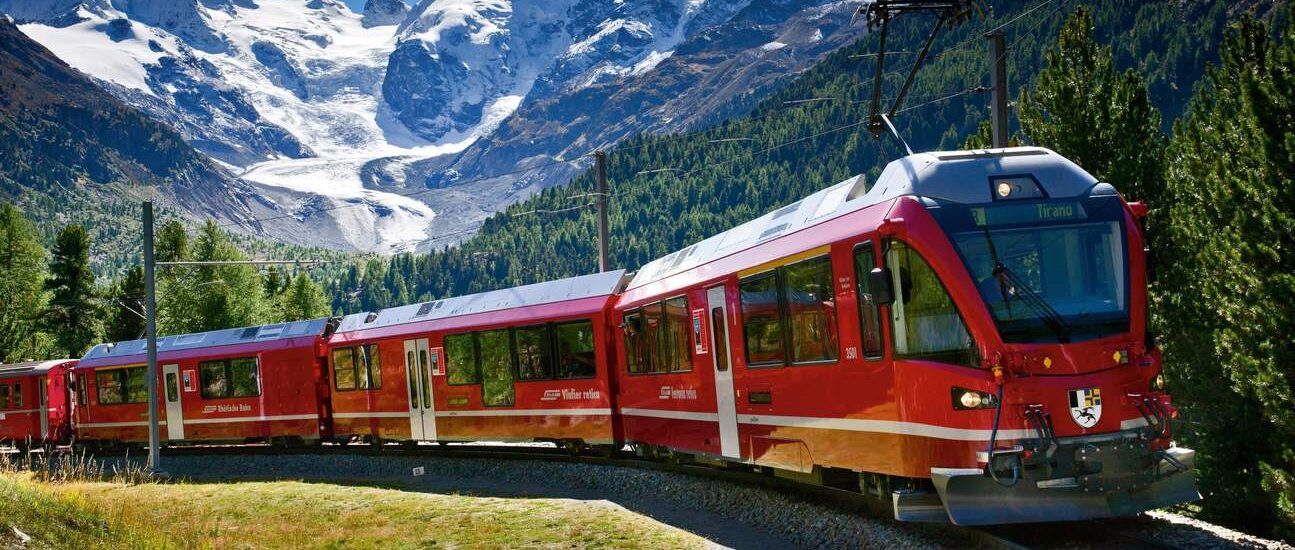
- Southern Europe: Italy, Spain, and Greece are gaining traction with both regional and luxury rail services. The expansion of high-speed rail in Spain and Italy, combined with scenic offerings such as the Bernina Express in the Italian Alps, positions Southern Europe as a growing hub for rail tourism.
- Eastern Europe: Countries in Eastern Europe, such as Hungary, Poland, and the Czech Republic, offer unique historical and cultural train journeys. The Budapest to Prague route, along with the romantic trains operating through historical sites, is gaining interest among rail tourists seeking off-the-beaten-path experiences.
Recent Trends
- Eco-Conscious Travel Choices: More travelers are opting for greener travel alternatives, with rail tourism positioned as a top choice due to its lower carbon footprint.
- Personalized Travel Experiences: Customizable itineraries and private train carriages are becoming increasingly popular among high-net-worth individuals seeking unique travel experiences.
- Integration of Technology: The introduction of apps for easy ticket booking, digital tour guides, and onboard connectivity is enhancing the customer experience and attracting younger, tech-savvy travelers.
Key Companies Profiled
Eurail Group G.I.E.; Renfe Viajeros; Deutsche Bahn (DB); SNCF (Société Nationale des Chemins de fer Français); Trenitalia; Siemens Mobility; Swiss Travel System; ÖBB (Austrian Federal Railways); NS International (Nederlandse Spoorwegen); SBB (Swiss Federal Railways); Eurostar International Limited
Get Strategic Guidance from Our Analyst Contact us on: +1-347-918-3531
Market Segments in Detail
- Luxury Trains Segment: This segment includes trains such as the Venice Simplon-Orient-Express, which offer a high-end, all-inclusive travel experience. With services such as private cabins, gourmet dining, and curated excursions, this niche attracts wealthy travelers who prioritize comfort, exclusivity, and premium services.
- Scenic and Regional Trains Segment: This segment includes famous scenic routes like the Glacier Express, the Bernina Express, and the Trans-Siberian Railway. These trains offer unparalleled views of the European countryside, mountains, and historical sites. With short, scenic journeys or longer multi-country itineraries, these services attract tourists who wish to explore Europe’s natural beauty and cultural landmarks.
- Heritage and Themed Railways Segment: This segment involves vintage trains that recreate historical journeys, such as the Royal Scotsman and the Transatlantic Express. These trains typically operate on heritage lines, offering a nostalgic and educational experience that highlights Europe’s railway heritage and the evolution of rail travel.
- High-Speed Rail Segment: This segment is witnessing increased investment due to growing demand for fast, efficient, and comfortable travel. High-speed rail lines, such as the TGV in France and Eurostar in the UK, are gaining popularity among tourists who need to cover long distances quickly while enjoying comfort and ease.
About Future Market Insights (FMI)
Future Market Insights, Inc. (ESOMAR certified, recipient of the Stevie Award, and a member of the Greater New York Chamber of Commerce) offers profound insights into the driving factors that are boosting demand in the market. FMI stands as the leading global provider of market intelligence, advisory services, consulting, and events for the Packaging, Food and Beverage, Consumer Technology, Healthcare, Industrial, and Chemicals markets. With a vast team of over 400 analysts worldwide, FMI provides global, regional, and local expertise on diverse domains and industry trends across more than 110 countries.
Contact Us:
Future Market Insights Inc.
Christiana Corporate, 200 Continental Drive,
Suite 401, Newark, Delaware – 19713, USA
T: +1-347-918-3531
For Sales Enquiries: sales@futuremarketinsights.com
Website: https://www.futuremarketinsights.com
LinkedIn| Twitter| Blogs | YouTube